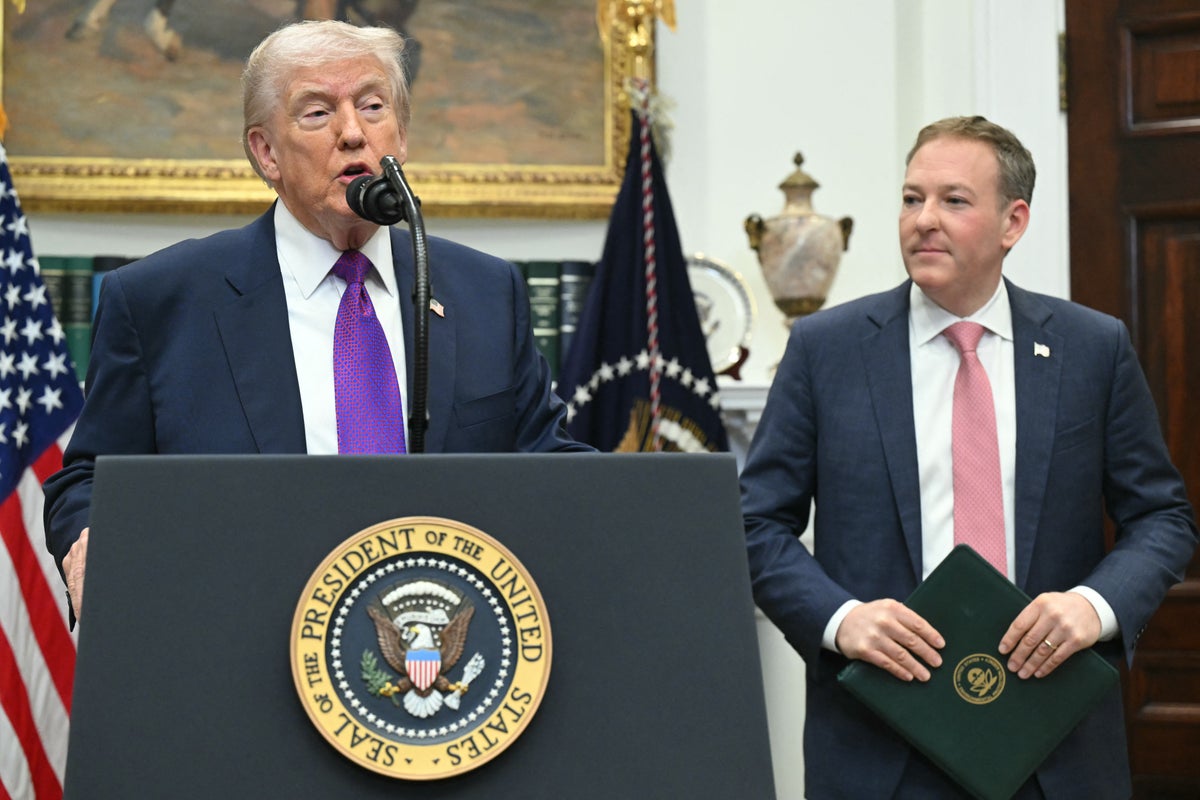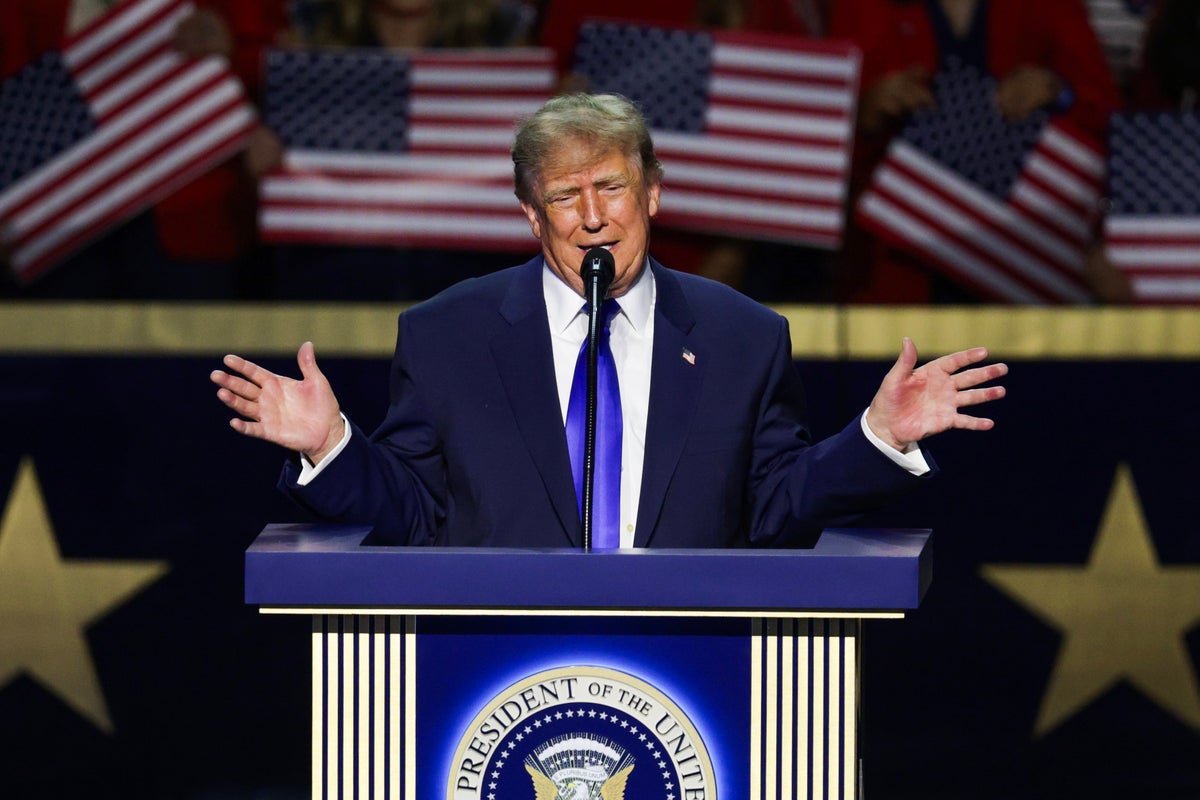
President Donald Trump insists that a proposed five-thousand-dollar cash payout for every American adult is one hundred percent guaranteed to happen, framing the windfall as a corporate-style dividend paid out by a booming national economy.
The promise, dubbed the "Trump Dividend," was unveiled during the Republican Midterm Convention in Dallas, tied explicitly to the condition that voters maintain GOP control of the House and Senate. Yet behind the populist headline lies a staggering fiscal chasm. Independent budget analysis and legislative realities show that the math underpinning the proposal does not survive contact with the federal ledger.
To understand why this payout remains an electoral talking point rather than a pending treasury deposit, one has to examine how the administration claims it will fund the initiative. Vice President JD Vance and other key surrogates have pointed toward incoming revenue from sweeping federal tariffs. The logic mirrors the rhetoric of corporate profit-sharing: foreign nations pay the tariffs, the federal government accumulates a surplus, and that surplus is mailed directly back to the citizenry.
The fundamental flaw in this architecture is scale. Distributing five thousand dollars to roughly two hundred and fifty million adult Americans requires an astronomical sum—somewhere between one point two and one point four trillion dollars. Total customs duties and net tariff receipts collected by the government sit at a fraction of that figure. Even under aggressive projections of future tariff revenue, annual collections fall woefully short of financing a one-time universal check of this magnitude without compounding the national deficit.
Furthermore, federal tariff streams are neither steady nor unencumbered. The Supreme Court previously struck down significant components of prior executive tariff implementations, triggering massive waves of legal challenges and billions in court-mandated refunds to corporate importers. When judicial rulings claw back collections, the pool of available revenue shrinks instantly.
This is not the first time a direct cash promise has accompanied an electoral cycle. Last year, floating concepts included a "DOGE dividend" drawn from government efficiency savings, alongside previous vows for two-thousand-dollar tariff rebate checks. Neither proposal materialized into checks delivered to mailboxes. The only comparable payout that actually reached accounts was a seventeen-hundred-and-seventy-six-dollar "warrior dividend" for military service members, which was ultimately financed by repurposing pre-approved congressional housing allowances rather than newly generated windfalls.
Constitutional mechanics present another immovable roadblock. Article I of the Constitution vests the power of the purse squarely in Congress, not the executive branch. Even with a narrow Republican majority in Washington, legislative leaders have routinely pushed back against the feasibility of funding multi-trillion-dollar spending outside of the normal appropriations process.
Economists warn that injecting over a trillion dollars of unbacked liquidity into the consumer market risks reigniting inflationary spirals, forcing the Federal Reserve to keep interest rates elevated to cool the economy.
The five-thousand-dollar dividend functions primarily as a high-stakes political anchor for a vulnerable midterm electorate. It converts complex trade protectionism into a tangible, deeply personal ballot incentive. But as fiscal analysts continue to audit the ledger, the distance between campaign rhetoric and treasury execution remains absolute.