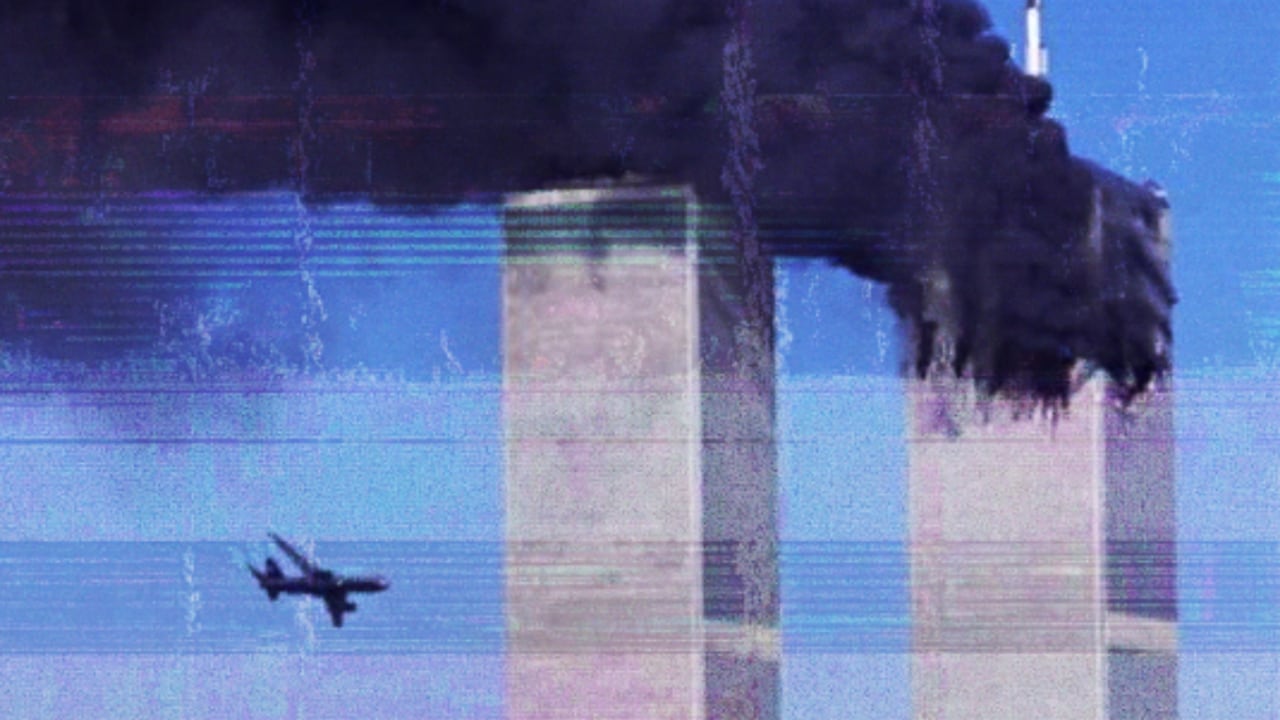
Panic makes a nation dangerous. When the towers fell on September 11, 2001, fear rewrote the boundaries of American law almost overnight. For Mohammed Jaweed Azmath and Ayub Ali Khan, two ordinary Indian immigrants living in New Jersey, that fear turned their lives into a kafkaesque nightmare. They didn't commit terrorism. They weren't plotting against the United States. But in the frantic hysteria that followed the attacks, simply being brown-skinned, Muslim, and carrying cash and passport photos was enough to brand them as public enemies.
Their story exposes a dark, rarely discussed chapter of post-nine-eleven overreach. It is a stark reminder of how quickly civil liberties vanish when a government panics, and how the American justice system can grind innocent people down without ever proving a single terrorist connection.
The Day Everything Changed
Back in September 2001, Azmath and Khan were working and living in Jersey City. Like millions of others, they had plans to travel. They booked a flight scheduled to depart from Newark Liberty International Airport to San Antonio, Texas, on the morning of September 11. They boarded the plane, ready for a routine trip south. Then reality shifted.
As the reality of the hijacked planes unfolded, their flight was grounded in St. Louis, Missouri, alongside hundreds of other domestic commercial aircraft. Stranded mid-journey like thousands of other confused passengers, the two men decided to finish their trip by train. They bought Amtrak tickets and settled in for the long ride to Texas.
They had no idea that a routine train ride would land them in the crosshairs of federal investigators. Other passengers on the train grew suspicious. Maybe it was their appearance. Maybe it was rumors spreading through a terrified populace. Someone whispered to authorities, and federal agents intercepted the train shortly before it reached San Antonio.
What the agents found when they searched the men fueled immediate suspicion. Azmath carried multiple passport photos and a significant amount of cash because he was relocating his life to Texas. They also possessed box cutters—a common tool for workers and travelers at the time, but a terrifying item to find in the immediate aftermath of the worst terrorist attack on American soil. Word leaked to the press, and the machine spun out of control. Overnight, headlines branded them as high-profile terror suspects.
Caught in the Web of Suspicion
The federal government didn't charge them with terrorism right away because they had no evidence linking them to al-Qaeda or any plot. But the Department of Justice wasn't about to let them walk free either. Instead, authorities weaponized a little-known legal tool: the material witness warrant.
Originally designed to secure the testimony of witnesses who might flee before a trial, the material witness law became a preventive detention mechanism. Azmath and Khan were locked away without charges. Azmath spent months detained in New York City before he was even allowed to speak to a lawyer.
The psychological toll was brutal. Guards isolated them from the outside world. In interviews years later, they described constant harassment, strip-searches, and sleep deprivation. Every thirty minutes, guards would bang on their cell doors. They were shackled hand and foot whenever they moved. Federal prison officials denied or ignored complaints, while the media kept painting them as dangerous conspirators.
Imagine sitting in a maximum-security prison cell, knowing you haven't done anything wrong, while the entire world believes you are a mass murderer. You can't call your family easily. You don't know when—or if—you will ever see daylight again. That was the reality for Azmath and Khan for months on end.
Inside the Material Witness Loophole
The government's use of the material witness statute after September 11 remains one of the most controversial legal maneuvers in modern American history. Civil rights organizations like Human Rights Watch and the American Civil Liberties Union later investigated these detentions and found a pattern of systemic abuse. Hundreds of Muslim and South Asian men were swept up, held in secret or semi-secret conditions, and subjected to coercive interrogations.
Federal investigators tore through Azmath and Khan's lives. They searched their homes, interrogated their families back in Hyderabad, India, and ran down every conceivable lead. The FBI subjected them to rigorous background checks.
And what did they find? Nothing.
By mid-2002, even federal prosecutors acknowledged that the two men had no ties to terrorism. The grand terrorism narrative completely fell apart. The initial panic-driven accusations evaporated under scrutiny.
Any normal justice system would have immediately apologized, released them, and provided compensation for the wrongful imprisonment. But the American federal system operates differently when it has staked its pride on high-profile arrests.
The Pivot to Lesser Charges
Once the terrorism angle dissolved, the Department of Justice faced an embarrassing reality. They had held two innocent men in brutal conditions for nearly a year based on flimsy tips and racial profiling. To save face and justify the prolonged detention, prosecutors shifted tactics entirely.
They pivoted to financial crimes.
Investigators discovered credit card fraud schemes. Azmath and Khan were accused of involvement in counterfeit credit card operations that ran up thousands of dollars in unauthorized charges. While financial fraud is a real crime, it had nothing to do with national security or terrorism. Yet, it became the vehicle prosecutors used to secure convictions and justify keeping them behind bars.
In June 2002, Azmath pleaded guilty to credit card fraud. Khan faced similar charges shortly after. At his sentencing hearing, Khan spoke out against the injustice of his ordeal. He told the judge that his arrest occurred without probable cause, driven entirely by bare suspicion and racial profiling. He stated clearly that he was not a terrorist.
The courts gave them sentences that mostly amounted to time served. But freedom didn't mean a clean slate. In January 2003, both men were deported back to India. They left behind the country they had hoped to build a life in, carrying physical scars and psychological trauma that would never truly heal.
The Human Cost Back Home
The nightmare didn't stay confined to American soil. The fallout reached thousands of miles away to their families in Hyderabad, India.
When federal agents plastered Azmath and Khan's faces across international news networks as suspected terrorists, their families instantly became targets of suspicion. Indian authorities launched their own investigations, questioning relatives and neighbors. Local businesses run by their families suffered massive losses. In a tight-knit community, the stigma of being labeled associated with al-Qaeda poisoned their social standing.
Family members lived in constant anxiety. They watched helplessly as their loved ones vanished into the opaque depths of the American prison system. By the time Azmath and Khan returned home, they were financially broken and emotionally exhausted. They had lost their jobs, their savings, and their sense of safety.
What This Case Teaches Us About Fear and Law
History often repeats itself when fear overrides reason. The treatment of Azmath and Khan is not an isolated historical footnote. It serves as a permanent warning about what happens when constitutional guardrails are suspended during a national crisis.
When a society allows prejudice to masquerade as national security, innocent people pay the price. The material witness law was stretched past its breaking point to lock up men who fit a specific demographic profile rather than an evidence-based threat model.
Real justice requires patience, evidence, and adherence to due process. Shortcuts born out of panic always lead to human rights abuses. Remembering the stories of men like Azmath and Khan ensures that the darker chapters of post-nine-eleven overreach remain visible, reminding us to demand a justice system that values truth over convenience.


