Most thrift store finds are worth exactly what you pay for them, or maybe a few dollars more if you manage to hustle them on a resale app. You dig through dusty bins of old mugs, chipped plates, and forgotten plastic, hoping for a nostalgic vinyl record or a vintage jacket. But every once in a while, someone rolls the dice on a piece of absolute junk and walks away with a five-figure payday.
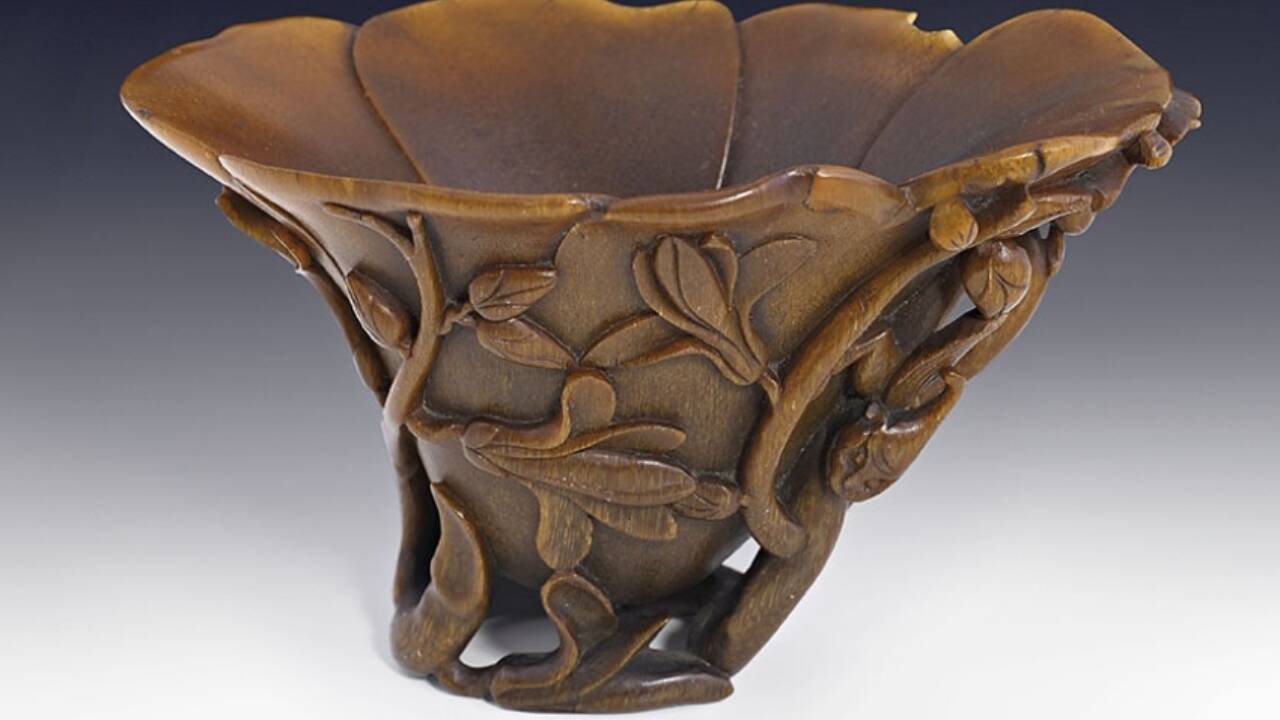
That is precisely what happened when a Sydney shopper spotted an old, damaged cup sitting on a local op-shop shelf. It cost just four dollars. It also had a massive, glaring chip out of the side. Most people would have walked right past it, assuming it was a cheap souvenir or a broken piece of kitchenware destined for the bin. Instead, the buyer took a chance, paid the pocket change, and ended up selling it at a major auction house for a staggering A$75,640.
How does a four-dollar thrift store gamble turn into a small fortune? The answer comes down to material history, expert authentication, and knowing what the mainstream market completely overlooks.
Spotting Hidden Value In Plain Sight
If you walk into a second-hand shop, you are swimming in a sea of mass-produced items. Modern manufacturing means things are cheap, abundant, and entirely worthless five years down the line. But antique markets operate under completely different rules.
The anonymous Sydney buyer wasn't a professional appraiser, but he spent enough time browsing local thrift stores to recognize when an object didn't fit the standard mold of modern junk. The cup felt different. It had weight, a strange organic texture, and intricate detailing that hinted at an older craftsmanship. Even with the ugly chip marring the rim, he bought it.
He didn't try to flip it immediately on a garage sale table. He took photographs and sent them to Ann Roberts, an Asian art consultant and specialist who used to work with Sotheby's. That single move separates casual thrifters from people who actually discover valuable pieces. Expertise matters. You can't Google your way through centuries of fine art carving if you don't know the baseline indicators of authenticity.
What The Cup Actually Was
When Roberts looked at the photographs, she didn't see a broken coffee mug. She saw a centuries-old Chinese libation cup carved from rhinoceros horn.
Dating back to the 17th or 18th century during the Qing dynasty era, these carved vessels are masterpieces of organic sculpture. Historically, craftsmen used the material to create intricate cups featuring flora, fauna, and mythological motifs like the Magnolia and Prunus design. To the untrained eye, the material can easily look like dark wood, horn, or even aged plastic resin. But the fibrous grain, the honey-toned or deep amber translucency, and the micro-carvings give away its true nature.
Rhino horn vessels carry immense historical weight, particularly among collectors of Asian antiquities who value the tight-knit carving traditions of the Ming and Qing dynasties. Because international trade restrictions on rhinoceros horn became exceptionally strict in later years, surviving historical pieces already circulating in private collections occupy a unique niche in the antique market.
Even with the prominent structural damage—that large chip that kept the op-shop price at pocket change—Roberts recognized the underlying market demand. She slapped a pre-sale auction estimate of A$20,000 to A$30,000 on it, which already felt like a massive win for a four-dollar investment.
When The Auction Hammer Drops
Estimates are just educated guesses. The real market decides the value the second the auctioneer starts taking bids.
When the piece went under the hammer at Sotheby's Australia in Melbourne, the bidding climbed past the initial conservative estimates. Driven by competitive collector interest, the hammer eventually fell at A$62,000. Once you factor in the buyer's premium and associated auction fees, the final price hit A$75,640.
That is roughly 15,500 times what the shopper spent at the thrift shop register.
Stories like this spark a gold-rush mentality. Every weekend, thousands of amateur thrifters scour charity shops hoping to find a forgotten masterpiece hiding behind the glassware. But treating op-shopping like a lottery ticket usually leads to a garage full of junk.
If you want to spot real value, you have to understand materials. Study how real horn, jade, bronze, and porcelain age. Look for hand-carved tool marks versus modern mold seams. Pay attention to weight, density, and patina—the subtle sheen that only decades or centuries of handling can produce.
Most importantly, know when to bring in an expert. The Sydney buyer's smartest move wasn't paying four dollars; it was refusing to guess blindly and handing the object over to someone who knew how to read its history. Stop hunting for miracles in the clearance bin unless you're willing to learn the quiet details that separate garbage from gold.