The air inside a Kyiv bunker does not taste like air. It tastes like cold concrete, old wool, and the unmistakable, metallic tang of fear that has settled deep into the foundation of the city. When the sirens start, they do not merely sound; they occupy the space. They vibrate through the floorboards, through the soles of your boots, and straight up into your teeth.
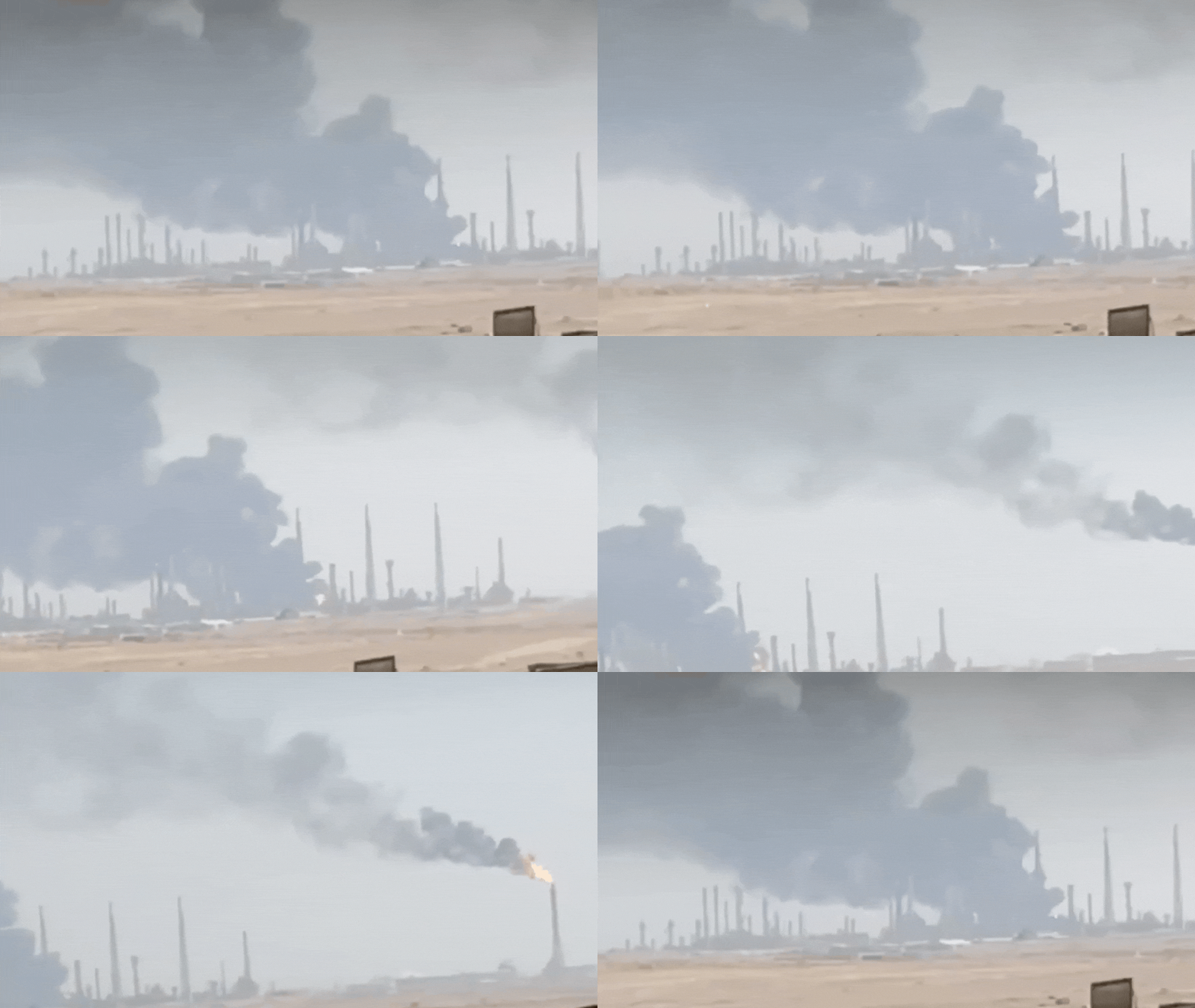
Outside, above ground, the morning sky looks deceptively peaceful. Gray, heavy, indifferent. Then the drone engines begin their low, chainsaw-like whine.
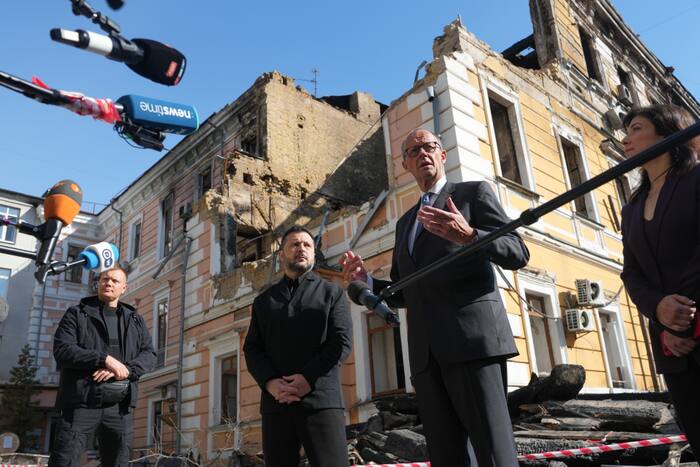
Friedrich Merz knew what he was walking into. You do not step off a train from Poland into the Ukrainian capital without expecting the sky to fall. As the leader of Germany’s Christian Democratic Union and a man poised to shape the immediate future of Europe's geopolitical spine, Merz’s arrival was billed in diplomatic cables as a standard solidarity visit. Bilateral talks. Security assurances. Handshakes in front of sandbagged facades.
Paperwork.
But diplomacy in the shadow of a ballistic missile strike looks entirely different up close. It is measured in seconds. It is measured in the thickness of reinforced glass and the quiet, exhausted resilience of people who have learned to time their morning coffee between interception blasts.
Consider what happens when the architecture of a continent begins to buckle under the weight of sustained attrition. For months, Russian strikes on Ukrainian cities have shifted from strategic military targets to the systematic, grinding destruction of civilian infrastructure. Power grids. Water pumping stations. Apartment blocks where children sleep with their winter coats on. The goal is not merely territorial conquest; it is the deliberate manufacturing of winter as a weapon. It is the attempt to freeze a population into submission.
Into this fractured landscape stepped Merz. In political terms, his visit was a signal. Berlin has long wrestled with the precise calculus of its military aid—hesitating, calibrating, measuring the risk of escalation against the absolute certainty of unpunished aggression. Taurus missiles remain a contested political football in Germany, a symbol of a nation's historical trauma colliding with the brutal urgency of modern artillery math. When a German politician walks the streets of Kyiv while air raid alarms wail, he is confronting the physical reality of those political delays.
You can read every intelligence briefing compiled in an air-conditioned room in Munich or Washington. You can memorize the satellite imagery showing burnt-out transformer yards and craters the size of swimming pools. But none of it prepares you for the smell of a freshly struck residential block. It smells of scorched brick, pulverized drywall, and the peculiar, sickening odor of burning household plastic.
A hypothetical civilian—let us call her Olena, though she has a thousand living counterparts across the Dnipro—stands outside the smoking skeleton of her kitchen. Her neighbor's canary is dead, killed by the concussive blast of a Shahed drone that missed its intended electrical substation by two hundred meters. Olena is sweeping up glass with a plastic broom she bought in 2018. She does not cry. The tears ran dry somewhere around the third month of the full-scale invasion. Now, there is only a cold, methodical anger.
When foreign dignitaries arrive with their motorcades and security details, Olena does not look at their tailored suits. She looks at their hands. Does the hand hold a promise, or does it hold a hesitation?
Merz’s meetings behind closed doors with Ukrainian leadership were not polite exchanges of diplomatic platitudes. They were desperate negotiations over inventory lists. Air defense batteries. Interceptor missiles. The kind of mundane, heavy military hardware that never makes for a poetic speech, but which stands entirely between a sleeping family and a fiery collapse.
The political calculus in Western capitals often operates on the comfortable fiction that time is an adjustable parameter. We can deliberate. We can debate coalition partners. We can draft another working paper. But in the reality of Kyiv, time is measured in cubic meters of natural gas lost, in megawatts stripped from the grid, in children doing algebra in damp underground metro stations while anti-aircraft guns rattle the pavement overhead.
History is watching Berlin, just as it is watching Washington, London, and Paris. The post-war consensus that promised "never again" was not written on parchment; it was carved out of the ruins of European cities that made the mistake of looking away while aggression tested the boundaries of international law. Kyiv today is the testing ground for whether democratic societies possess the long-term stamina to defend their own foundational premises.
As the sun began to dip below the horizon, casting a bruised purple hue over the domed churches of the capital, the sirens fell silent for a brief, deceptive hour. The city did not relax; it merely shifted into night mode. Checkpoints lit up with the amber glow of coal braziers. Soldiers in digital camouflage swapped stories over lukewarm tea from thermoses.
Friedrich Merz boarded the night train back toward the Polish border, carrying with him the sound of those sirens and the image of Olena’s broom sweeping up the remnants of a shattered apartment. The diplomatic communiques would be published by morning. The policy papers would circulate through parliamentary committees.
Yet back in the bunkers, beneath the heavy concrete of a city refusing to break, the math remained unchanged. Steel stops steel. Resolve stops retreat. And the cost of hesitation is always paid in blood that no amount of diplomatic prose can ever wash clean.