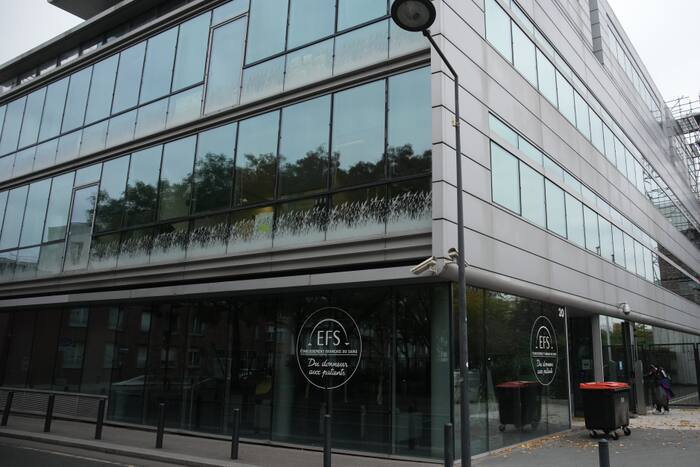
Hackers hit the French national blood service's public website, knocking it offline for hours. And yet, the actual blood supply sitting in refrigerators across France stayed completely untouched.
If you're wondering how an organization can get punched in the digital face without losing a single drop of plasma, you're asking the right question. Most headlines treat every breach like a catastrophic meltdown. They panic first and explain the technical architecture later, if at all. When the Établissement Français du Sang (EFS) took a hit to its online portal, the immediate fear among donors and patients was obvious. Were blood types scrambled? Did ransomware lock up emergency transfusions?
No. Not even close.
The incident targeted the public-facing web infrastructure used for appointment bookings and donor information, not the operational systems managing blood collection, testing, and hospital distribution. That distinction isn't just a lucky break. It's the result of deliberate network segmentation that every healthcare executive should be studying right now.
Why the French Blood Bank Attack Didn't Touch Medical Supplies
Think of a modern healthcare organization like a high-security bank. The lobby has glass doors, brochures, and a receptionist who answers basic questions from anyone walking off the street. The vault sits three floors underground behind biometric scanners, steel-reinforced concrete, and air-gapped wiring.
When attackers hit the EFS website, they vandalized the lobby. They didn't get near the vault.
In cybersecurity, we call this strict network separation. The EFS runs its donor-facing web portals on infrastructure completely isolated from its core medical and logistical databases. Even if an attacker floods the public website with traffic or exploits a vulnerability in the booking software, there's no digital bridge leading into the laboratories where blood is screened for pathogens or routed to surgical wards.
Honestly, this is where most private hospital networks fail miserably. I've audited healthcare systems where the marketing WordPress site shared the same flat network subnet as the radiology imaging servers. One phished receptionist, one unpatched plugin, and suddenly an attacker is pivoting laterally across the entire hospital floor. France's blood agency avoided a medical crisis because their engineers refused to take those shortcuts.
The Real Target Was Public Trust and Convenience
Don't mistake a contained attack for a harmless one. Taking down a national blood donation portal creates real friction in the healthcare chain.
Blood has a brutal shelf life. Red blood cells last about 42 days. Platelets expire in just five to seven days. That means blood banks rely on a constant, predictable stream of daily appointments to keep hospital shelves stocked. When the booking website goes dark, donor turnout drops immediately. People don't always pick up the phone to schedule a blood draw when an online form fails. They just close the browser tab and move on with their day.
Hackers know this. Modern threat actors—especially hacktivist groups and distributed denial-of-service (DDoS) crews—often go after high-visibility public portals precisely because they don't need elite hacking skills to cause visible disruption. Overwhelming a web server with junk traffic is cheap, fast, and guarantees front-page news. You don't need to crack encrypted medical records to make an institution look vulnerable to the public.
How Hackers Hit Healthcare Websites Without Breaching Data
Most people hear "cyberattack" and immediately picture a hooded figure downloading millions of Social Security numbers. In reality, public-facing healthcare attacks usually fall into two buckets that look terrible on the news while leaving back-end vaults untouched.
First, there's the classic DDoS assault. Attackers rent a botnet—thousands of hijacked smart cameras, routers, and infected PCs—and point all of them at a single web address simultaneously. The server chokes under millions of fake requests per second, locking out legitimate blood donors trying to find a clinic near them. Nothing gets stolen. Nothing gets encrypted. The front door just gets jammed by a crowd that refuses to move.
Second, you have web application defacements or credential stuffing against scheduling portals. Even when a portal stores basic contact details like names, email addresses, and appointment times, well-architected national health agencies keep clinical lab results, blood-type registries, and donor medical histories on entirely separate, heavily encrypted internal networks.
The French cybersecurity agency, ANSSI (Agence nationale de la sécurité des systèmes d'information), has spent years pushing critical infrastructure operators toward this exact model. Under European directives like NIS2, essential health entities face strict mandates to separate administrative web tools from clinical operations. When the French blood bank site went down, those regulatory guardrails did their job.
What Other Hospitals Get Wrong About Network Isolation
If network segmentation works so well, why do we still see major hospital networks in the US and Europe get crippled by ransomware every few months?
Convenience. Pure and simple.
Doctors hate logging into three different systems with separate hardware tokens just to check a patient's lab work and schedule a follow-up. IT teams get pressured by hospital administrators to make everything connect smoothly so patient data flows from the intake tablet straight to the pharmacy and billing department. Every time you build an automated API bridge between a public-facing web app and an internal clinical server, you punch a hole in the firewall.
Here's what actually goes wrong inside poorly segmented medical networks:
- Shared Active Directory credentials. An attacker compromises a low-level web administrator account and discovers that the same directory service manages permissions for internal lab equipment.
- Unmonitored vendor VPNs. A third-party HVAC contractor or blood-refrigeration monitor connects directly into the core hospital network without strict traffic filtering.
- Flat local networks. Once inside the building's Wi-Fi or internal Ethernet, malware spreads laterally from billing computers to diagnostic machines because internal firewalls don't exist.
- Cloud misconfigurations. Public appointment forms dump raw user inputs into cloud storage buckets that sit on the same tenant as sensitive patient backups.
When you compare those sloppy setups against what happened at the French blood bank, the contrast is stark. The EFS took a punch on its chin—its public website—and kept its vital organs completely protected.
The Myth of the "Unhackable" Healthcare System
Let's be realistic for a second. No public website on the open internet is 100% immune to disruption. If you put a server online so millions of citizens can book blood donations from their phones, bad actors can find that IP address and throw traffic at it.
Security isn't about building an impenetrable wall around every single web page. It's about blast-radius containment. You assume the public website will eventually get hit, scraped, or flooded. Then you engineer your systems so that when the website goes down, life-saving clinical operations don't even blink.
In France, blood collection centers kept drawing blood. Screening labs kept testing samples for HIV, hepatitis, and blood compatibility. Refrigerated trucks kept delivering units to emergency rooms across the country. The outage stayed strictly confined to the digital brochure and booking desk.
Practical Steps to Protect Your Organization and Personal Data
Whether you run IT for a medical clinic or you're just someone who donates blood regularly and wonders if your medical file is safe, this incident highlights specific moves you should make right now.
If you're an everyday donor or patient, stop reusing passwords across health portals and regular shopping sites. When attackers hit a public booking site, they routinely test leaked email-and-password pairs from unrelated retail breaches against healthcare logins. Turn on app-based two-factor authentication (not SMS text codes) for any medical portal you use. And if your local blood bank's website ever goes offline during an outage, don't assume your donation isn't needed—call their regional phone line directly, because clinics almost always stay open on manual backup procedures.
If you manage healthcare IT or any customer-facing infrastructure, audit your architecture today before an attacker audits it for you:
- Sever direct database links from public web servers. Your appointment booking site should push sanitized requests through a one-way message queue, never query your internal clinical or inventory databases directly.
- Put aggressive DDoS mitigation in front of every public domain. Use an enterprise web application firewall and content delivery network that absorbs volumetric traffic spikes before they ever touch your origin servers.
- Enforce strict identity boundaries. Separate the identity providers used by public web developers from the domain controllers managing internal clinical staff and laboratory equipment.
- Test manual downtime protocols quarterly. Make sure your frontline staff knows how to check in donors, verify identities, and track inventory on paper or offline local terminals the moment the main website goes dark.
The French blood bank incident proved that a cyberattack doesn't have to become a public health emergency. Build your systems assuming the lobby will get broken into, and lock the vault doors tight enough that nobody inside even hears the glass break.


