In 1980, standard corporate America had a straightforward solution for anyone who did not fit neatly into human resources software. It ignored them. When Charlie Baker looked at the employment prospects for his son Justin, who lived with severe epilepsy, he found a closed door. Most managers viewed medical instability as an unacceptable liability. Most systems offered pity instead of a paycheck.
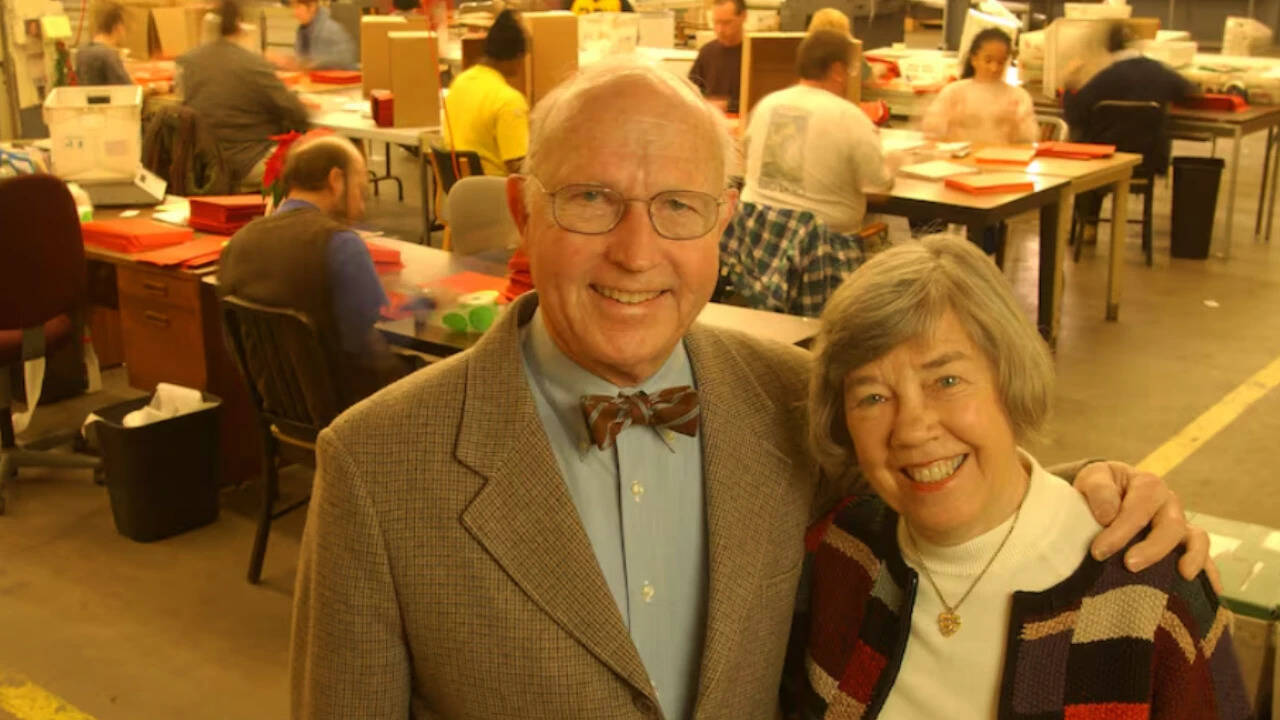
Instead of accepting that dead end, Baker cleared out a suburban garage, set up some basic packaging equipment, and created a two-person operation. What started as a domestic workaround for a son locked out of the traditional labor market evolved into Baker Industries, a Philadelphia-area nonprofit that has quietly trained, mentored, and employed more than 12,500 individuals whom the mainstream economy discarded.
To understand why this model succeeded where billions in government training grants often falter, you have to look past the feel-good headlines. The operational core of Baker Industries was never charity. It was industrial discipline married to radical patience.
Modern workforce development programs love buzzwords like upskilling and career pathways. They build elaborate digital portals, run resume workshops, and measure success by course completion certificates. Yet, for an adult coming out of long-term incarceration, active substance recovery, or severe physical disabilities, a digital portal does not fix the terrifying friction of showing up on time.
Baker understood that employment is behavioral long before it is technical. The organization built its entire philosophy around work as a form of stabilization. Workers are handed real assembly contracts, fulfillment orders, and manufacturing tasks. They are expected to meet commercial shipping deadlines. If a mistake happens, the shop floor treats it as an operational glitch to be solved rather than a moral failure warranting termination.
This distinction separates meaningful labor integration from sheltered workshops that treat participants like charity cases. The margins are tight. The contracts with external commercial clients require absolute punctuality and precision. By forcing the workflow to mirror the real economy while cushioning the human variables with peer support, the garage-turned-warehouse created a bridge that conventional corporations refused to engineer.
Corporate recruiters frequently complain about labor shortages while automatically filtering out resumes with employment gaps, criminal records, or non-traditional backgrounds. They demand plug-and-play candidates with zero friction. Baker Industries exposed the flaw in that logic. Given a predictable environment, clear expectations, and a second chance that is structural rather than rhetorical, individuals labeled unemployable routinely turn into reliable, long-term producers.
Some participants stay for decades because the routine and community fit their capacities. Others use the facility as a temporary launching pad to build confidence, repair personal stability, and step out into standard commercial enterprises. Both outcomes represent total operational success.
Charlie Baker worked alongside his crew for decades, refusing a salary and injecting his own capital when cash flows dipped. He lived to be 101, watching the enterprise scale far beyond that original Pennsylvania garage. Yet the true legacy of the experiment is not the sheer headcount of 12,500 workers, nor the longevity of its founder.
The enduring lesson is an indictment of modern hiring practices. The labor market does not suffer from a lack of willing hands. It suffers from a surplus of institutional cowardice. Baker proved that productivity can be unlocked anywhere if leadership is willing to trade automated algorithms for human accountability.