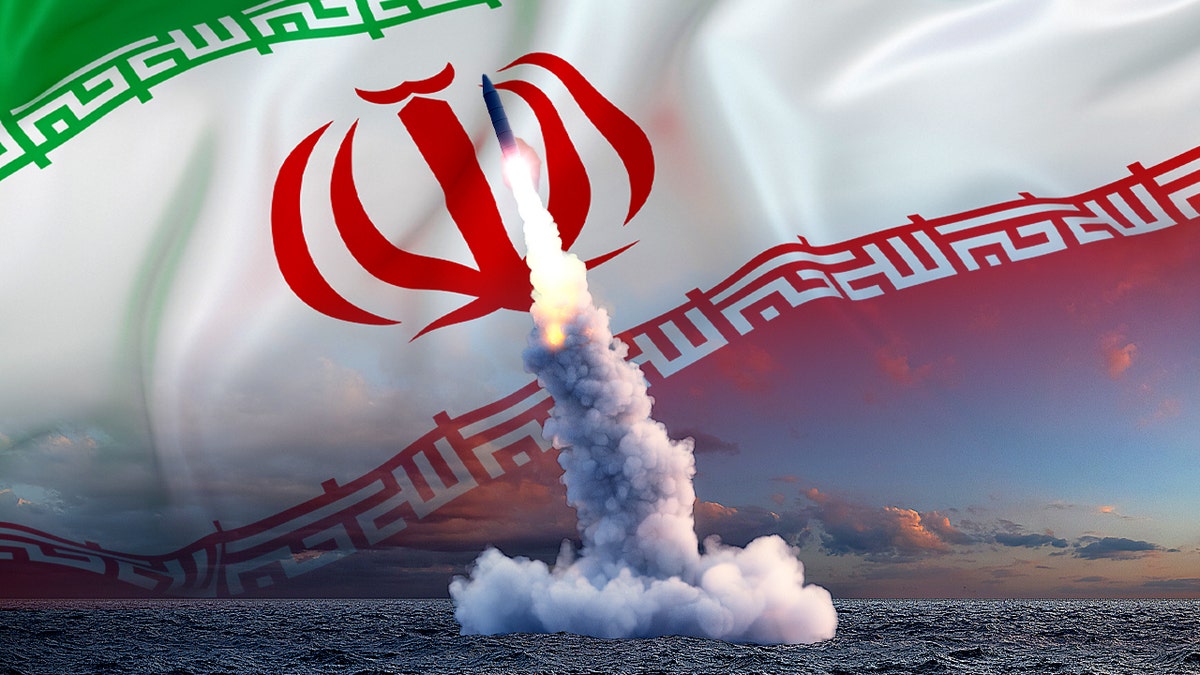
The current Iranian diplomatic posture toward the United States functions as a high-stakes liquidity event where the "valuation" of a regional ceasefire is indexed directly to the unlocking of frozen sovereign assets. By demanding a cessation of hostilities in Lebanon and the immediate repatriation of capital before formal peace talks begin, Tehran is executing a pre-negotiation strategy designed to front-load value and mitigate the risk of a "broken deal" during the transition of American administrations. This is not a request for peace; it is a calculated demand for a non-refundable deposit on a transaction that has yet to be finalized.
The Mechanics of Pre-Negotiation Leverage
In traditional diplomacy, concessions are traded incrementally. Iran’s current framework seeks to invert this by requiring the satisfaction of two primary "Conditions Precedent" before even approaching the bargaining table. This strategy serves three specific structural goals:
- Risk Mitigation against U.S. Policy Volatility: Given the cyclical nature of U.S. foreign policy and the threat of "snapback" sanctions, Iran views immediate asset unfreezing as a tangible hedge. Once funds are moved into accessible accounts or converted into usable commodities, they cannot be easily re-frozen by a subsequent executive order.
- Internal Legitimacy and Liquidity: The Iranian domestic economy operates under extreme inflationary pressure. Securing the "unfreezing" of assets—estimated in the tens of billions across jurisdictions like South Korea, Iraq, and Qatar—provides the central bank with immediate foreign exchange reserves to stabilize the Rial.
- Regional Proxy Preservation: By tying a Lebanon ceasefire to US peace talks, Iran attempts to decouple its regional influence from the nuclear file. It positions its support for Hezbollah as a tradable commodity rather than an ideological absolute, suggesting that the "cost" of a ceasefire is the recognition of Iran’s financial sovereignty.
The Capital-Security Swap Framework
To understand the logic behind these demands, one must analyze the "Cost Function of Conflict" currently burdening the Iranian state. The maintenance of the "Axis of Resistance" is not merely a military endeavor; it is a significant budgetary line item. When the U.S. enforces a "Maximum Pressure" campaign, the cost of supporting regional proxies increases exponentially relative to the available tax and oil revenue.
The Three Pillars of the Iranian Demand Matrix
- Financial Sovereignty (The Asset Pillar): Iran views the frozen funds—primarily oil revenues held in escrow due to secondary sanctions—as illegally detained property. Their demand for "unfreezing" is a prerequisite for establishing a baseline of trust. Without the movement of capital, Tehran argues that the U.S. lacks the "skin in the game" required for a durable agreement.
- Tactical De-escalation (The Lebanon Pillar): The demand for a ceasefire in Lebanon is a strategic necessity. If Hezbollah’s command structure is degraded beyond a certain threshold, Iran loses its primary deterrent against a direct strike on its own soil. Therefore, a ceasefire is not a humanitarian gesture but a preservation of a strategic asset.
- The Sequential Protocol: Iran rejects the concept of "simultaneous steps." They are operating on a sequential model where the U.S. must act first. This is a response to the 2018 withdrawal from the JCPOA; the Iranian logic is that since the U.S. broke the previous contract, the U.S. must pay a "re-entry fee" in the form of asset releases.
The Bottleneck of Sanctions Compliance
A critical oversight in most analyses is the technical complexity of "unfreezing" assets. Even if the U.S. Treasury issues a waiver, the global banking system remains hesitant due to the "chilling effect" of previous enforcement actions.
The second limitation is the lack of a standardized mechanism for verifying that these funds are used solely for humanitarian purposes, as often stipulated in waivers. Iran’s demand for the unconditional unfreezing of assets seeks to bypass the "Swiss Channel" or "Qatari Mechanism" models, which involve heavy oversight by third-party intermediaries. For Tehran, true "unfreezing" means direct control over the wire transfer protocols, not just the right to purchase medicine and food.
The Strategic Value of Lebanon in the Peace Equation
The linkage between a Lebanon ceasefire and broader peace talks reveals a shift in the "Regional Security Architecture." Historically, Lebanon was treated as a separate theater from the nuclear negotiations. By merging them, Iran is forcing the U.S. to choose between immediate regional stability and long-term nuclear containment.
This creates a "Double Bind" for U.S. negotiators:
- If the U.S. pressures Israel for a Lebanon ceasefire to get Iran to the table, it risks alienating its primary regional ally and appearing to reward Iranian proxy warfare.
- If the U.S. refuses, the conflict escalates, potentially drawing in direct Iranian intervention and making a peaceful nuclear resolution impossible.
Quantifying the Negotiation Gap
The distance between the Iranian starting position and the American "Red Lines" can be measured by the disparity in their definitions of "Normalisation."
- Iran’s Definition: A return to the pre-2018 status quo, where they can export oil and access international capital markets without interference, while maintaining their regional influence as a recognized power.
- U.S. Definition: A "longer and stronger" agreement that restricts ballistic missile development and regional intervention in exchange for phased, conditional sanctions relief.
The Iranian demand for pre-talk concessions is a move to bridge this gap by force. By establishing a "New Normal" where the U.S. must pay for the privilege of talking, Iran resets the baseline of the negotiation.
Tactical Implications for Global Markets
The outcome of this diplomatic gambit has direct correlations with energy market volatility. The "Risk Premium" on Brent crude is currently sensitive to the probability of a broader regional war. If Iran succeeds in securing even a partial asset release in exchange for a Lebanon ceasefire, we can expect a downward adjustment in oil prices as the "escalation hedge" is removed.
However, the second-order effect is a potential increase in Iranian oil exports. Iran is currently producing near capacity, but its ability to receive payments is constrained. A formal unfreezing of assets would likely coincide with a "blind eye" policy toward Iranian "ghost fleet" tankers, effectively increasing global supply without an official change in OPEC+ quotas.
The Credibility Gap and Verification Protocols
The primary hurdle remains the "Verification Protocol." The U.S. intelligence community and Treasury Department require empirical evidence that asset releases do not directly fund the Islamic Revolutionary Guard Corps (IRGC). Iran, conversely, views such verification as an infringement on its sovereignty.
This creates a "deadlock of definitions" where:
- "Humanitarian aid" to the U.S. means specific, tracked invoices for grain and medicine.
- "Humanitarian aid" to Iran means the general fungibility of cash to support the state’s social and military infrastructure.
The Strategic Play for U.S. Negotiators
To break the current impasse without capitulating to the Iranian "entry fee" model, the U.S. must pivot from a bilateral negotiation to a multilateral "Escrow Strategy."
Instead of a direct release of funds to Tehran, the U.S. should propose the transfer of frozen assets to a neutral, third-party development bank. This capital would be earmarked for specific Iranian infrastructure projects—such as water management or electrical grid modernization—contracted to international firms. This satisfies the Iranian demand for the "unfreezing" of the wealth while ensuring the capital is not diverted into the defense budget or regional proxies.
Simultaneously, the Lebanon ceasefire must be framed not as a concession to Iran, but as an enforcement of UN Resolution 1701. By shifting the legal basis of the ceasefire, the U.S. can decouple the cessation of hostilities from the Iranian "demands," thereby removing Iran’s ability to claim a diplomatic victory.
The final strategic move involves a "Time-Bound Waiver" system. The U.S. should offer 90-day renewable waivers on specific asset tranches, contingent upon verifiable Iranian de-escalation in the Levant. This transforms a one-time "unfreezing" into a recurring "subscription model" for Iranian behavior, retaining U.S. leverage throughout the duration of the peace talks rather than surrendering it at the outset.