Western commentators love a good moral panic, especially when they can export it to East Asia. The latest hand-wringing centers on the supposed "pummeling" of religious freedom by America's key democratic allies in the region: Japan and South Korea. Critics look at Tokyo’s scrutiny of the Unification Church or Seoul’s tight regulations on aggressive megachurches and scream "authoritarianism."
They are misreading the map. Meanwhile, you can find related stories here: The Mechanics of Economic Attrition inside the Strait of Hormuz.
What Washington's think-tank elite labels as a crackdown on faith is actually something entirely different. It is the defensive self-preservation of mature democracies protecting their social fabric from predatory cults, financial extortion, and foreign political subversion. For decades, I have watched Western analysts apply an Anglo-American, First Amendment template to societies with completely different historical contracts between church and state. It fails every time.
The lazy consensus says Japan and South Korea are backsliding on human rights. The reality? They are blueprinting how modern democracies can actually defend themselves against weaponized faith. To understand the full picture, we recommend the excellent article by TIME.
The Cult of False Equivalence
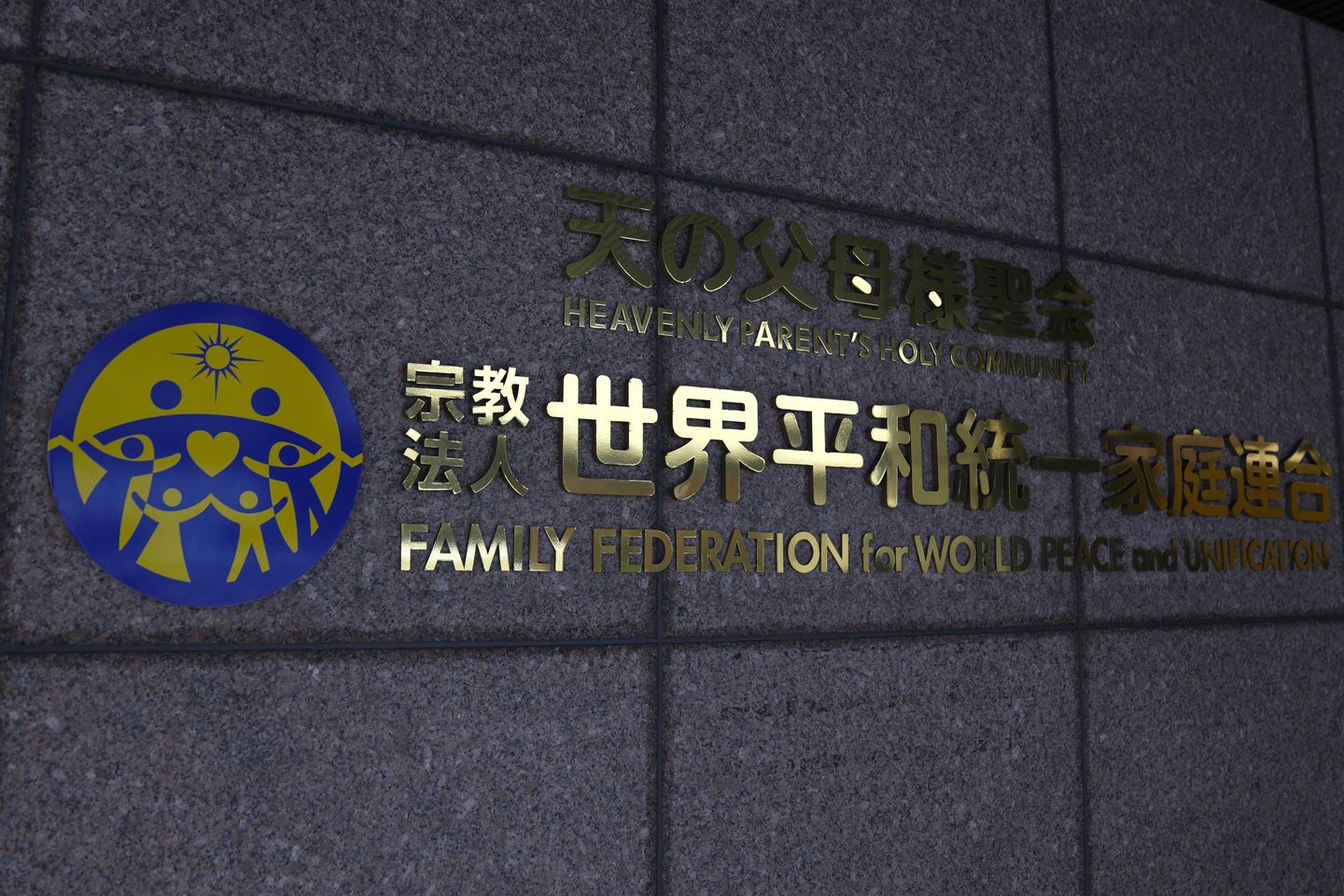
Let’s dismantle the premise. When a Western pundit writes about "freedom of religion" in Asia, they picture peaceful minorities practicing their faith in quiet dignity. They do not picture the Family Federation for World Peace and Unification—the Unification Church—which systematically drained billions of yen from vulnerable Japanese citizens through "spiritual sales" of overpriced trinkets, forcing families into bankruptcy.
Japan’s aggressive legal moves to strip the Unification Church of its tax-exempt status did not happen in a vacuum. It followed the 2022 assassination of former Prime Minister Shinzo Abe. The assassin’s motive was explicitly tied to his mother’s financial ruin at the hands of the church.
To call Tokyo’s response an assault on religious freedom is like calling antitrust laws an assault on free enterprise.
Western Paradigm: State vs. Faith = Oppression
East Asian Paradigm: State vs. Exploitation = Public Order
Japan’s Religious Corporations Act of 1951 was never designed to shield systemic financial extortion from judicial oversight. Article 81 of that law explicitly allows courts to dissolve a religious group that commits acts "clearly detrimental to public welfare." Japan isn't banning prayer; it is pulling the plug on a predatory corporate empire masquerading as a church.
The Sovereign Right to Public Health and Security
South Korea presents an even clearer case where Western definitions of religious liberty collapse under their own weight. During the peak of the global health crises in the early 2020s, the Shincheonji Church of Jesus became a primary vector for viral transmission because of its secretive, non-compliant practices.
The state didn't step in because of theology. It stepped in because of epidemiology.
In the West, any government intervention involving a religious group triggers immediate litigation and cries of persecution. In Seoul, the public demand was simple: transparency.
South Korea's constitution protects religious freedom under Article 20, but Article 37 explicitly states that all citizens' freedoms may be restricted by law when necessary for national security, maintaining law and order, or public welfare.
- Financial Accountability: If you run a business selling salvation through debt, you face the taxman.
- Social Cohesion: When religious groups build parallel political machines to bypass local laws, the state intervenes.
- National Sovereignty: Both nations recognize that deeply entrenched, wealthy cults often act as covert lobbying arms for foreign interests.
Dismantling the People Also Ask Mythos
Does Japan restrict freedom of religion?
No. Japan restricts criminal fraud. Anyone can walk into a shrine, temple, or church unbothered. The moment a group uses psychological coercion to strip citizens of their life savings, it crosses from the domain of faith into the domain of the penal code. The Liberal Democratic Party's move to tighten oversight is a delayed response to decades of turning a blind eye to exploitation.
Is South Korea intolerant of religious minorities?
South Korea is one of the most religiously diverse and tolerant nations in Asia, split cleanly among Christians, Buddhists, and a massive secular population. What the government opposes is not minority belief, but the weaponization of secrecy. Cults that instruct members to infiltrate mainstream churches and lie to public health officials are treated as public safety hazards, not protected classes.
The Cost of the Contrarian Approach
There is a downside to this level of state intervention, and we must be honest about it. When you give the state the power to define what constitutes a "legitimate" religion versus a "destructive cult," you hand a dangerous weapon to future administrations. Bureaucracies are notoriously bad at handling nuance. Bureaucratic overreach can creep, and smaller, genuinely benign spiritual movements might find themselves caught in the compliance dragnet intended for massive, multi-million-dollar syndicates.
But that is a regulatory challenge, not a human rights crisis. It requires better judicial firewalls, not a total abandonment of state oversight.
Stop Exporting the First Amendment
The fundamental flaw in Western critique is the assumption that the American model of absolute, near-untouchable religious freedom is the global gold standard. It isn't. The American experiment allows for a level of social fragmentation and institutional grift that East Asian societies simply reject.
In Tokyo and Seoul, social stability and the collective well-being of the citizenry override the absolute right of an organization to hide behind a altar while breaking the law.
Washington needs to stop lecturing its closest Pacific allies on a concept of religious freedom that has been warped into a shield for criminal enterprises. Japan and South Korea aren't destroying democracy. They are cleaning up the mess that happens when you let religious grifters write their own rules for too long.
If the West thinks defending citizens from financial ruin and social destabilization is a violation of liberty, then the West has forgotten what a functional state is actually for. Let Asia clean up its house. Write your own laws, fix your own tax exemptions, and stop protecting the predators.