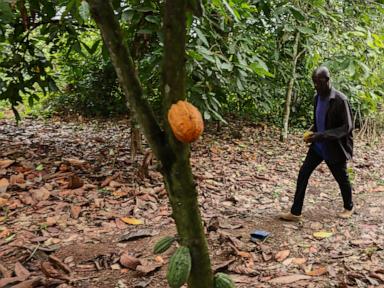
Ghanaian lawmakers have pushed through extraordinary legislation carrying up to twenty years in prison for anyone convicted of destroying cocoa farms or engaging in illegal mining on agricultural lands. This hard-line stance marks a desperate legislative pivot by a government watching its primary economic engine choke on mercury, excavator tracks, and unbridled greed. Twenty years behind bars sounds severe. In the context of a runaway ecological collapse threatening the entire West African chocolate supply chain, it might actually be too lenient.
For decades, the narrative surrounding the global confectionery market focused entirely on fluctuating commodity prices on European exchanges, fair-trade certifications, and corporate social responsibility pledges printed neatly on glossy candy wrappers. That conversation completely missed the physical destruction happening at the grassroots level. For a closer look into similar topics, we recommend: this related article.
The Scourge Eating the Soil
Galamsey is the local term for illegal artisanal mining, and it has mutated from a localized informal economy into a mechanized industrial threat. Heavy equipment operators, often backed by foreign syndicates, roll onto smallholder cocoa plots under the cover of night or through backroom coercion. They turn productive topsoil upside down, wash it with toxic chemicals, and leave behind barren moonscapes filled with stagnant, yellow water.
Cocoa requires specific climatic conditions, stable rainfall patterns, and rich, undisturbed earth. You cannot grow pods of prized criollo or forastero beans in a toxic soup of heavy metals. For broader details on the matter, in-depth analysis is available on The New York Times.
The economic fallout hits every level of society. Ghana produces a massive share of the world's premium beans. When local yields plummet because acreage is disappearing into mining pits, global supply tightens instantly. Confectionery giants in Zurich, London, and Chicago panic, scrambling for alternative origins while consumers face sticker shock at supermarket checkouts. Yet the market fluctuation is only a symptom. The real crisis is the permanent sterilization of agricultural land.
Why Prison Terms Matter
Law enforcement in West Africa has historically struggled with white-collar agricultural crime. Local chiefs, corrupt bureaucrats, and transnational syndicates often operated with impunity. Fines were treated as mere costs of doing business. A penalty of a few thousand cedis meant nothing when an illegal mining operation pulled up tens of thousands of dollars worth of gold or unrefined minerals in a single week.
Stiff custodial sentences change the calculus entirely. When the penalty escalates to twenty years in a maximum-security prison, the risk-reward ratio shifts.
Critics argue that draconian prison sentences will only target low-level laborers—the young men operating the excavators—while the financiers sitting in air-conditioned offices in Accra or abroad escape unscathed. That is a valid historical critique. Past anti-galamsey sweeps disproportionately caught impoverished locals while sparing the well-connected puppet masters. To make this new law work, prosecutors must climb the chain of command. They must track the bank transfers, the equipment import licenses, and the political patronage networks that keep illegal mining afloat.
The Enforcement Nightmare
Passing a bill in parliament is easy. Enforcing it across thousands of square miles of dense forest and remote rural districts is an entirely different operational challenge.
Ghanaian forestry guards and police forces are chronically underfunded. Expecting a handful of underpaid officers to police armed, entrenched mining rings backed by syndicates is wishful thinking. Corruption runs deep within local administrative structures. Bribes change hands easily when an excavator driver can generate more cash in a weekend than an honest civil servant earns in two years.
Furthermore, rural poverty complicates the equation. When a smallholder farmer is offered a massive cash payout upfront by miners to sign over their land, the temptation to abandon twenty years of slow-yielding cocoa production for immediate cash is fierce. Especially when consecutive seasons of erratic weather, swollen pod rot, and delayed government payments have pushed farming families to the financial brink.
The Global Complicity
Western chocolate brands love to talk about sustainability. They sponsor community water projects and hand out seedlings at photo-ops. But their purchasing practices have historically rewarded the cheapest raw materials, turning a blind eye to the structural vulnerabilities of the farmers who supply them.
If multinational corporations want a stable supply of cocoa, they must put their financial and diplomatic weight behind supply chain transparency. They need to verify that the beans entering their shipping containers did not come from a plot that displaced a destroyed forest or an active mining pit. Traceability software exists. Blockchain tracking exists. What has been missing is the regulatory compulsion and corporate spine to enforce them ruthlessly.
Ghana is drawing a hard line in the dirt. Twenty years behind bars is a stark warning to anyone treating agricultural land as disposable property. Whether this law becomes a turning point or just another piece of paper depends entirely on the political will of the state to enforce it without fear or favor. The chocolate industry is watching. More importantly, the earth is keeping score.