History is rarely made in grand chambers amid the clinking of crystal and the solemn reading of state papers. More often, it is forged in silence. In the heavy, suffocating air of old rooms where the dead still occupy the chairs at the head of the table.
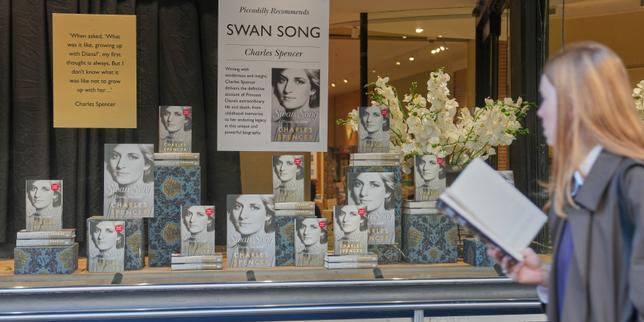
Consider the Althorp estate. A sprawling sanctuary of ancestral pride, where centuries of aristocratic bloodlines whisper from the oil paintings on the wall. For decades, that estate stood as a fortress of memory for Diana Spencer. And guarding those gates, fiercely protective of her legacy, has stood her younger brother, Charles Spencer.
Now, look across the country to Windsor. To the throne room, where the crown sits heavy upon the brow of Charles III.
Between these two men lies an invisible chasm. It is a divide built not merely of political disagreements or court etiquette, but of grief. Raw, unresolved, and fiercely guarded grief. When reports resurface of a renewed feud between the monarch and the late princess’s brother, the media rushes to frame it as petty gossip. A clash of egos. A squabble among the privileged.
They are wrong.
This is not about titles. It is about ownership. Who gets to define the narrative of a woman the world loved, but few truly knew?
To understand the friction between Charles Spencer and King Charles III, one must step back into the blistering heat of September 1997. Westminster Abbey. The cameras caught everything. They caught the solemn march of the young princes, William and Harry, behind their mother’s gun carriage. But they also caught Charles Spencer standing at the pulpit, delivering a eulogy that felt less like a remembrance and more like a declaration of war against an institution.
In that moment, Spencer drew a line in the sand. He vowed that the blood family of Diana would protect her children from the suffocating machinery of the House of Windsor. It was a promise made in public, but kept in the shadows through decades of cold war.
For years, the tension simmered. Royals do not shout. They do not brawl in the tabloids. They ice each other out. Invitations are lost in the post. Seating charts are meticulously rearranged to avoid eye contact. Anniversaries pass with conspicuous silence from one side of the family to the other.
Yet, the ghost of Diana remains the uninvited guest at every royal gathering.
Why does this matter now? Because history is currently repeating its most tragic motifs. Prince Harry’s estrangement from the Firm mirrors, in haunting detail, the isolation his mother felt decades ago. And who has stood quietly by Harry’s side during his darkest hours? His uncle, Charles Spencer.
When Spencer welcomed Harry and Meghan to Althorp, offering sanctuary and a tangible connection to Diana’s memory, it was more than a family reunion. It was a tactical alignment. It sent a message straight to the heart of the monarchy: the Spencer family does not bow to Windsor rules.
King Charles, a man who has spent his entire life waiting for a crown only to find it beset by public relations crises and familial fractures, views these alliances with deep suspicion. From the perspective of the palace, loyalty to the Crown is absolute. To harbor the dissidents, to validate their grievances, is viewed as an act of quiet betrayal.
From the perspective of Althorp, however, loyalty belongs to the memory of the dead, not the survival of the institution.
This is the eternal collision between the crown and the bloodline. Monarchies survive by absorbing people, stripping them of their individuality, and turning them into symbols. Diana refused to stay a symbol. She broke the mold, paid the ultimate price for her defiance, and left behind a family determined to ensure her story was never entirely co-opted by the very machine that constrained her.
Charles Spencer understands this intimately. As the 9th Earl Spencer, his life's work has become the curation of memory. He restores the ancestral home, he preserves the grounds where Diana rests on her island sanctuary, and he speaks out whenever he perceives an effort to sanitize or rewrite the past.
When rumors bubble up of fresh disputes between the King and the Earl, they usually stem from this ideological tug-of-war. A perceived snub at a memorial service. A disagreement over how the princes are being supported. A quiet whisper from court sources about boundaries being crossed.
The public consumes these snippets like fast food, hungry for drama. But the reality is far heavier. It is the weight of a tragedy that refuses to be buried.
Think of what it is like to walk the halls of Althorp. The floorboards creak with centuries of privilege, yes, but also with the haunting echoes of childhoods shared before the world tore them apart. Charles Spencer looks at the monarchy not with awe, but with a deeply rooted skepticism born of watching his sister navigate that golden cage.
King Charles looks at the Spencers and sees an unpredictable element. A reminder of turbulent times he spent a lifetime trying to leave behind.
They are two old men now. Bound together by a tragedy that happened half a lifetime ago, yet separated by an ideological gulf that no amount of royal protocol can ever bridge.
The feud will never end with a dramatic public reconciliation. There will be no warm embraces on the steps of St. Paul’s. That is not how royalty—or aristocracy—operates. Instead, it will continue in the quiet spaces. In the absence of a phone call. In the carefully worded statements issued through spokespeople. In the silent battles fought over who gets to tell the story of the people we lost.
And as long as the world remains obsessed with the fairy tale that went wrong, the ghost of Diana will continue to sit between them, demanding a reckoning that neither man can ever fully deliver.