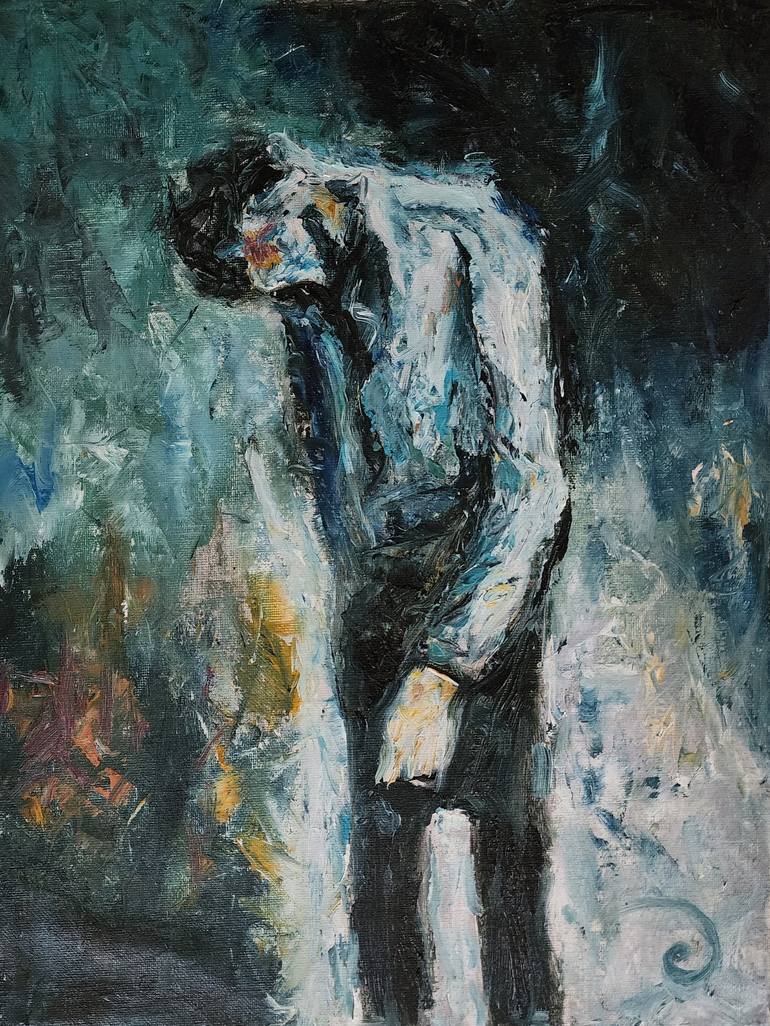
The cabin lights were dimmed to a low, bruised amber. Outside, the night sky over the Middle East offered no stars, only an abyss of heavy, unreadable darkness. Passengers on long-haul routes usually look down and see the faint, comforting constellations of highway traffic and distant towns. On this specific night, however, looking down meant staring into a geopolitical powder keg.
High above the clouds, a specialized aircraft sliced through the stratosphere. It carried cargo far more valuable than gold: a sitting American president.
And then, the invisible shuffle happened.
Without warning, the aircraft changed its path. Not because of engine trouble. Not because of a sudden, violent squall line churning over the Mediterranean. The threat came from below. Intelligence reports flickered across secure screens on the ground, warning of a potential surface-to-air hazard or a calculated interception vector originating from Iranian airspace or its regional proxies.
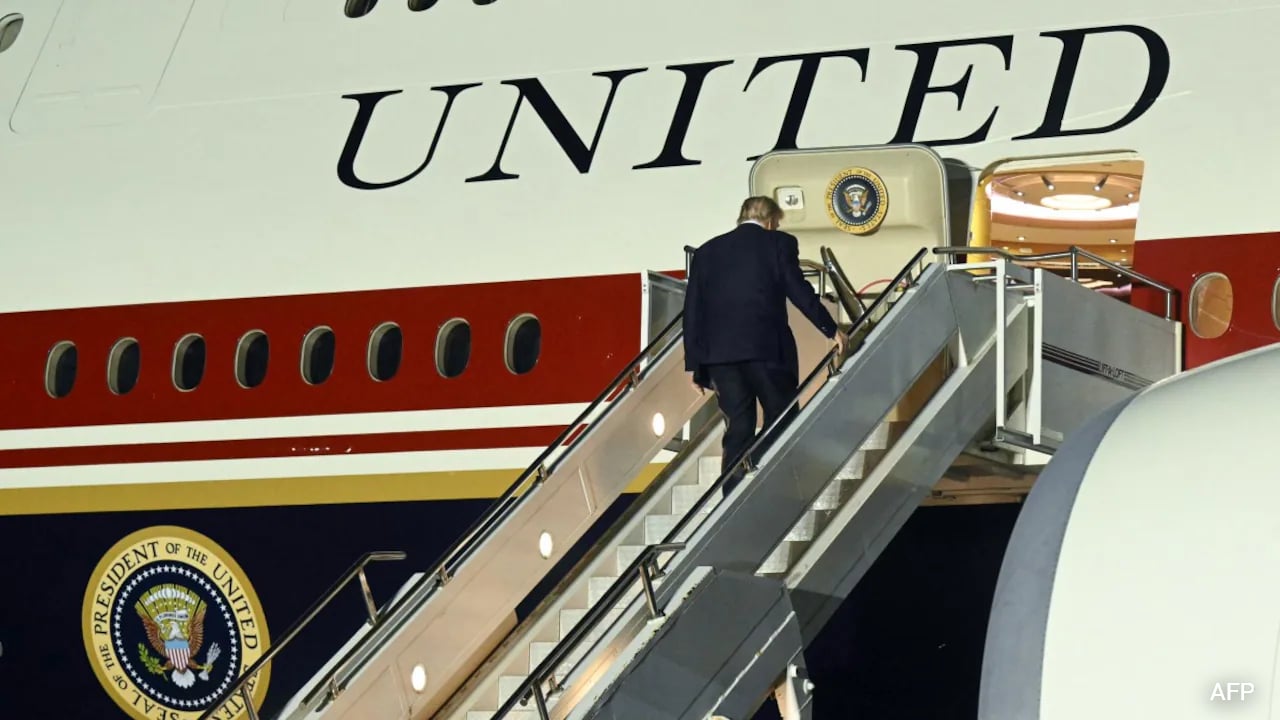
So, in the dead of night, a covert aircraft switch took place on the tarmac in Turkey.
Darkness. Urgency. Precision.
Imagine standing on a tarmac while the desert wind whips past your collar. The roar of jet turbines drowns out any attempt at conversation. You do not ask questions. You move. A decoy tail number. A backup fuselage waiting silently in the shadows. The transition is fast. Seconds matter. If an adversary knows your coordinates, you are a target. If they lose you in the static, you survive.
This is the hidden cost of modern transit. We live in an era where civilian and political flight paths are treated like grand chess matches. Every mile flown over volatile territories like Turkey or Iraq requires a calculus of survival.
Consider what happens next: the secondary plane lifts off. Its wheels leave the concrete with a sharp screech. The original aircraft remains behind, dark and silent, a decoy designed to draw the eyes of radar operators and intelligence analysts. It is a classic sleight of hand played out on a multi-million-dollar scale.
Why Turkey? Geography.
Turkey is the ultimate bridge. It sits at the jagged crossroads of Europe, Asia, and the Middle East. It is a nation of immense strategic gravity. When tensions spike between Washington and Tehran, Ankara becomes the epicenter of a high-stakes diplomatic tightrope walk. To fly through or near this region is to navigate a maze of radar cross-sections, transponder signals, and hostile surveillance.
We often forget that global leaders do not merely travel; they evade.
Every presidential trip is a rolling fortress. When reports surface of covert plane switches to dodge threats from Iran, they pull back the curtain on a terrifying reality. The sky is not a neutral zone. It is heavily patrolled, heavily monitored, and ruthlessly contested.
Think about the pilot sitting in the cockpit. Sweat beads on the back of a neck despite the aggressive air conditioning. The copilot monitors the glowing instrument panel, double-checking secure comms channels. Every blip on the radar screen is a question mark. Is that a commercial airliner heading to Dubai? Or is it a hostile asset painting our fuselage with targeting radar?
Fear is a quiet passenger.
It does not scream. It hums in the background, disguised as the steady drone of jet engines and the soft clicking of switches.
When the news broke about the covert plane switch in Turkey, the public reacted with fleeting surprise. A headline. A morning coffee discussion. Then, the scroll continued. We swipe away from danger because it feels distant. We treat international intrigue like an action movie playing on a screen three feet away.
The reality is far heavier.
Geopolitical chess matches do not happen in vacuum-sealed boardrooms. They happen in the freezing air thirty thousand feet above ancient landscapes. They happen when split-second decisions are made by tired security details who carry the weight of nations in their briefcases.
The plane cleared Turkish airspace hours later, banking west toward safety. Below, the ancient cities slept, unaware of the silent ballet of deception that had just played out above their roofs. But the implications lingered. The sky had changed. Trust in the quiet safety of the horizon had been quietly fractured once again.
Silence descended on the cabin as the seatbelt signs finally chimed off. But nobody slept. The ghosts of the dark skies stayed right there in the aisle, reminding everyone on board just how thin the line is between peace and catastrophe.