The tea goes cold on the table. In Beijing, the air tastes of sulfur and ambition, heavy with the weight of a system that demands absolute perfection from men who are inherently flawed. A general sits behind a desk of polished mahogany, his chest adorned with medals that catch the fluorescent glare. Tomorrow, he will not be here. His name will vanish from the state registries. His portraits, once hung proudly in the corridors of the Central Military Commission, will be quietly taken down by men wearing white gloves, leaving only a slightly paler square of wallpaper to mark his existence.
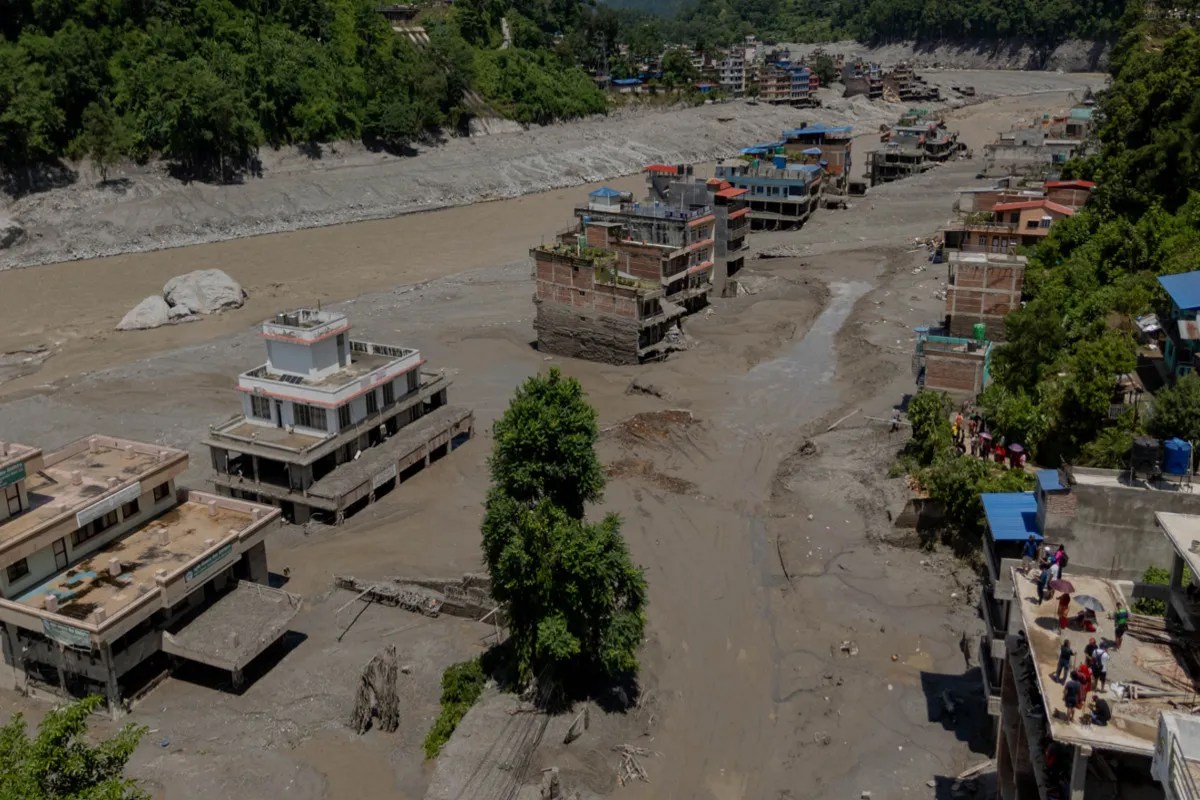
This is the choreography of power in modern China. It is silent. It is absolute. And right now, it is sweeping through the upper echelons of the People's Liberation Army like a winter gale across the steppes. Meanwhile, you can read similar events here: Inside the Rasuwa Road Collapse That Stalled Nepal's Deadliest Flood Rescue.
We talk about corruption as if it were a ledger entry. A bribe accepted, a contract inflated, a percentage skimmed off the top of a military procurement order. But inside the machinery of a nuclear-armed state, financial corruption is not just a crime. It is a structural fracture. When a missile silo is built with substandard concrete because a commander pocketed the difference, the state is no longer just losing money. It is losing its shield.
Consider the scale. Over the past year, the broom has swept through the Rocket Force—the very branch entrusted with the nation's nuclear deterrent—alongside top-tier defense officials and procurement chiefs. Generals who commanded absolute loyalty, men who oversaw the modernization of an army designed to project power across oceans and mountain ranges, have simply evaporated from public view. To explore the complete picture, check out the detailed article by The Washington Post.
To understand why this happens now, we have to look away from the gleaming glass towers of Beijing and gaze toward the jagged, frozen horizon of the Line of Actual Control.
The wind up there does not care about ideology. At fifteen thousand feet, the air is thin enough to starve a fire, and the border between India and China is less a line on a map and more a scar carved into the rock. It is a place of desolate beauty and brutal isolation, where soldiers breathe through frost and stare across valleys that have swallowed empires.
Here is where the abstract world of military purges crashes into physical reality.
Imagine a logistics outpost in the Western Sector. The temperature is thirty below zero. The truck carrying vital winter fuel and high-altitude rations grinds to a halt because the engine block cracked. It is a brand-new vehicle, procured under a multi-million-dollar defense contract awarded to a state-linked supplier. But the fuel pump was manufactured with cheap alloy instead of hardened steel, a cost-saving measure orchestrated by a middleman who bribed a logistics officer in Chengdu.
The truck doesn't move. The fuel doesn't arrive. The platoon shivers in the dark.
This is the invisible link between the purge in Beijing and the standoff in the Himalayas. Corruption in the ranks is not a victimless bureaucratic crime; it is the rust eating through the armor of the world's most ambitious military. President Xi Jinping knows this better than anyone. He rose to power on the promise of national rejuvenation, a grand narrative that leaves zero room for internal rot. A military that cannot feed its troops or maintain its hardware because the supply chain is rotten with kickbacks is a paper tiger. And paper tigers do not win wars. They burn.
For years, Western analysts watched the buildup along the Indian frontier with growing alarm. New roads were paved through the high desert. Airbases sprouted like concrete mushrooms. Prefabricated barracks capable of withstanding sub-zero temperatures were erected overnight. It looked like an unstoppable juggernaut, disciplined and terrifyingly efficient.
Yet beneath the surface, the machine was choking on its own greed.
When you funnel billions of dollars into a rapid military expansion without absolute transparency, you create a feeding frenzy. Generals become moguls. Procurement officers become kings of subsidiary corporations. The temptation is overwhelming, and the oversight is often blinded by the very secrecy the military demands. By the time inspectors realized that entire batches of missile fuel had been replaced with water—a staggering revelation that reportedly surfaced during internal audits of the Rocket Force—the rot had reached the bone.
The purges are the surgeon's knife, brutal and uncompromising. But they are also an admission of fear.
When a supreme leader has to decapitate the leadership of his own strategic missile command, he is sending two messages simultaneously. The first is directed outward, toward Washington, New Delhi, and Taipei: We are fixing our house, do not mistake our internal cleansing for weakness. The second message is directed inward, whispered down the chain of command to every colonel and lieutenant general who still holds a pen: I am watching you.
Fear is a powerful adhesive. It can snap a fractured organization back into alignment. It can force contractors to use the right steel, compel logisticians to deliver the right fuel, and remind commanders that their allegiance belongs to the center, not to their own bank accounts.
But fear is also corrosive. It breeds paralysis.
When every decision can be retroactively investigated as a sign of disloyalty or corruption, officers stop taking initiative. Why propose an innovative operational strategy on the high plateau if a bureaucratic misstep can be weaponized against you by a rival faction? Why push for modernization if the very act of handling large budgets makes you a target for the next anti-corruption campaign?
This is the paradox of the modern Chinese military state. To fight a modern, high-tech war against a peer adversary, you need decentralized initiative, adaptive commanders, and transparent communication. But to survive a totalizing political purge, you need absolute obedience, extreme caution, and the ability to make yourself invisible.
The men who sit across the table from Indian diplomats and military commanders in the high-altitude friction zones are operating under this immense psychological pressure. They are acutely aware that a miscalculation on the border could start a war, but they are equally aware that an unauthorized procurement shortfall could send them to a military prison. They are squeezed between the geopolitical ambitions of Beijing and the cold, unyielding reality of the mountain frontier.
We often misread these purges as signs of imminent conflict. We look at the high turnover of generals and assume it is preparation for an invasion, a clearing of the decks before the storm breaks. Sometimes, history suggests otherwise. Sometimes, a house must be cleaned because it was already falling apart from the inside.
The border with India is not just a territorial dispute; it is a stress test. It tests the endurance of men, the reliability of machines, and the ideological purity of a command structure that spans thousands of miles. Every frozen ridge, every disputed valley, and every tented encampment in Ladakh and Aksai Chin acts as a magnifying glass, revealing the true condition of the state behind it.
Back in Beijing, the meeting ends. The paperwork is filed. Another dossier is sealed with red wax and locked away in a vault that few will ever open.
Out on the roof of the world, the wind continues to howl across the barren peaks, whipping snow into blinding white curtains. A sentry adjusts his frozen collar, stamping his boots against the ice to keep the circulation alive in his toes. He does not know the names of the generals who fell this week. He does not care about the whispered rumors of corruption in the procurement bureaus down south. He only knows the weight of his rifle, the chill in his bones, and the silence of the mountains stretching out forever into the dark.
The machine grinds on. The rust has been scraped away, for now. But the iron remains exposed to the elements, waiting for the next storm to test whether it will hold.