The air in the private suite of a luxury hotel is different from the air on the street. It is filtered, pressurized, and carries the faint, expensive scent of old money and new ambition. Inside, the heavy drapes are pulled tight against the glare of a world that never stops watching. Two people sit across from each other, separated by a low table and decades of geopolitical scar tissue. One is a former president aiming for a second act. The other is a Japanese political titan, Sanae Takaichi, a woman who has spent her career navigating the razor-thin line between nationalist pride and the cold realities of global trade.
They are talking about Iran.
To a casual observer, the conversation sounds like standard diplomatic white noise. There are mentions of regional stability and maritime security. But if you lean closer, you hear the sound of a tectonic shift. For decades, Japan has played the role of the quiet mediator in the Middle East, a nation that buys oil and keeps its head down. Now, that era is ending. Japan is stepping up to the plate. It is a phrase that sounds like a compliment, but in the brutal language of international power, it is a demand.
The Invisible Oil Line
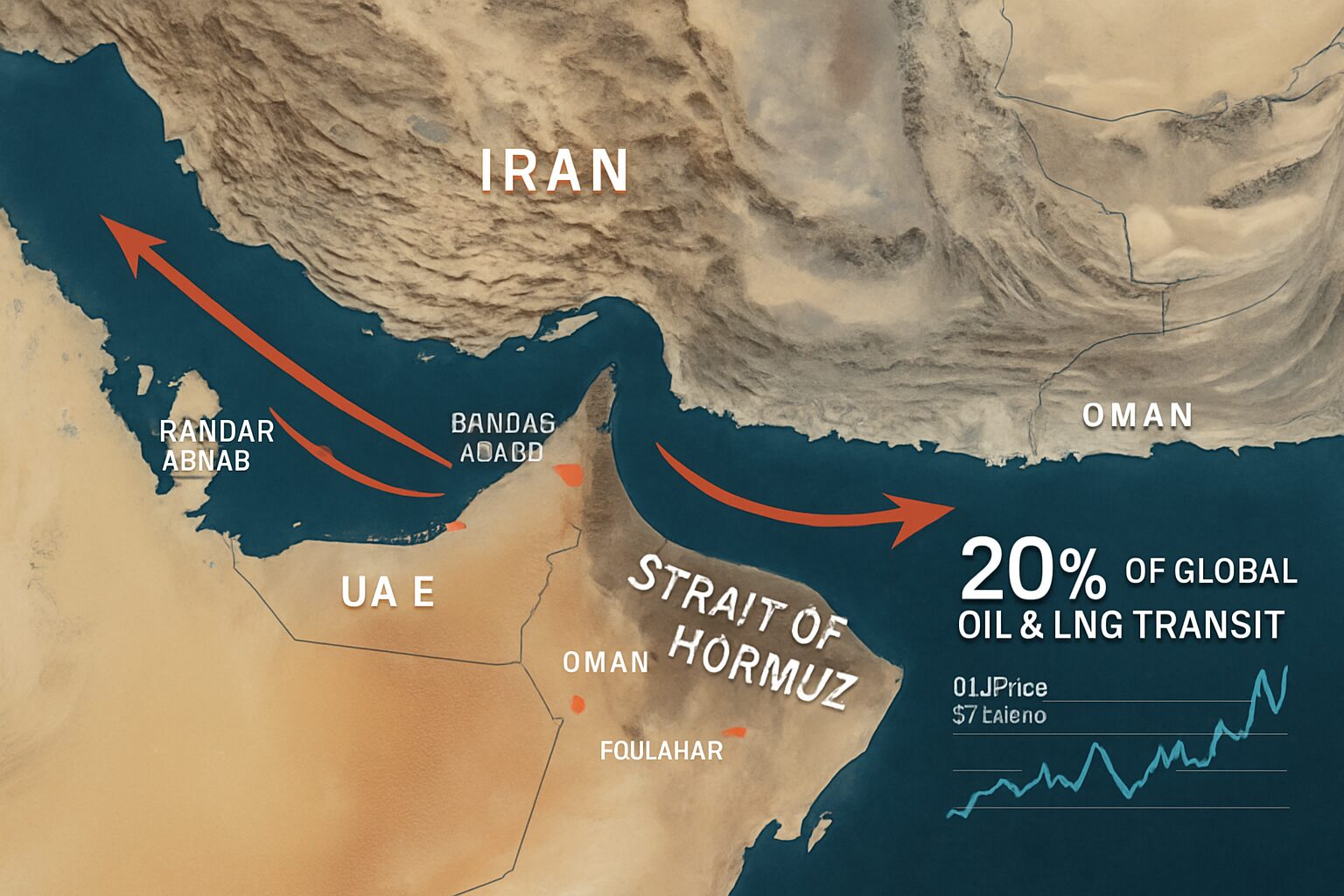
Imagine a freighter. It is a massive, rusting hulk of steel, deeper than a skyscraper is tall, cutting through the dark waters of the Strait of Hormuz. On board, there is no one but a skeleton crew and millions of barrels of crude oil. This ship is the pulse of Tokyo. If that pulse stops, the lights in the Ginza district flicker. The factories in Toyota City go silent. The very fabric of Japanese life is woven from the black gold that flows through a narrow, dangerous choke point controlled by a government in Tehran that has no reason to love the West.
For years, Japan tried to be everyone’s friend. They sent aid to Iran. They maintained an embassy that stayed open when others slammed their doors. They were the bridge. But the bridge is crumbling.
Donald Trump, ever the salesman of "America First," looked at Takaichi and saw a partner who finally understood that the bridge is a liability. The message was unspoken but clear: the era of the free ride is over. If Japan wants its oil to flow, Japan must help guard the gate. This isn't just about ships or sailors. It is about a fundamental change in how a pacifist nation views its own survival.
The Ghost of the 1970s
Sanae Takaichi is not a woman prone to sentimentalism, but she carries the weight of history. She remembers, or at least lives in the shadow of, the oil shocks that once brought her country to its knees. She knows that Japan’s "economic miracle" is a fragile thing, built on a foundation of energy security that it does not control.
When she speaks about "stepping up," she isn't just talking about military hardware. She is talking about a psychological break from the past.
Consider a hypothetical shopkeeper in Osaka named Hiro. Hiro doesn't care about the intricacies of the Joint Comprehensive Plan of Action (JCPOA). He doesn't track the movements of the Iranian Revolutionary Guard. But Hiro does care about the price of the electricity that keeps his refrigerators running. If the tensions in the Persian Gulf boil over, Hiro’s margins disappear. His life's work becomes a casualty of a shadow war 5,000 miles away.
Takaichi’s meeting with Trump was, in essence, a promise to Hiro. It was an admission that Japan can no longer afford to be a spectator in its own destiny.
The Art of the Hard Line
The rhetoric coming out of that room was sharp. Trump praised Japan for its "tougher" stance. In the world of diplomacy, "tough" is a code word for "expensive." It means more spending on defense. It means potentially joining patrols in waters that Japan’s post-war constitution once forbid it from entering.
It also means a realignment of the "Three Arrows" of Japanese policy.
- The Security Arrow: A shift from passive defense to active deterrence.
- The Energy Arrow: Moving away from a reliance on volatile regimes and toward a more hardened, diversified supply chain.
- The Alliance Arrow: Strengthening the bond with Washington to ensure that when the "big one" happens, Japan isn't standing alone.
But there is a cost to being tough. Iran is not a distant abstraction for Tokyo. It is a long-standing partner. By leaning into the Trumpian vision of Middle Eastern policy, Japan is burning a bridge it has spent half a century building. Takaichi knows this. She also knows that in a world where the United States is increasingly transactional, loyalty is the only currency that still holds its value.
The Room Where It Happens
The meeting wasn't just a photo op. It was a rehearsal.
Trump is betting that the world is moving toward a system of regional enclaves, where every major power must police its own backyard—and its own supply lines. Takaichi, often described as a protégé of the late Shinzo Abe, represents a faction in Japan that is ready for this world. They are tired of the "checkbook diplomacy" of the 1990s. They want a seat at the table where the maps are drawn.
As they sat in that gilded room, the stakes were invisible but massive. They were discussing the flow of millions of barrels of oil, the stability of the global yen, and the potential for a conflict that could drag the Third Largest Economy into a war it is not prepared to fight.
It is a gamble.
If Japan aligns too closely with a hardline U.S. stance, it becomes a target. If it stays neutral, it becomes irrelevant. Takaichi chose a side. She chose the side of the protector. She chose to believe that "stepping up to the plate" is better than waiting in the dugout while the game is decided by others.
The Quiet Change
We often think of history as a series of loud explosions. But more often, it is a series of quiet conversations in pressurized rooms.
The shift in Japan's Iran policy didn't happen because of a sudden epiphany. It happened because the world changed around them. The rise of China, the volatility of the American electorate, and the persistent defiance of Tehran created a pincer movement that left Tokyo with no choice.
Takaichi’s presence in that meeting was a signal to the world that Japan is no longer the "silent partner." It is a nation that is beginning to find its voice, even if that voice is currently echoing the sentiments of a man who demands strength above all else.
The Persian shadow still looms over the Japanese islands. It always will. But for the first time in a generation, Japan is looking directly at that shadow, rather than trying to pretend it isn't there.
Outside the hotel, the city roared on, oblivious to the fact that the rules of its existence had just been subtly rewritten. The lights of Tokyo stayed on, powered by oil that traveled through a strait that is now a little more Japanese, and a little less certain, than it was the day before.
The tea in the suite grew cold. The drapes remained closed. The deal was done.
Somewhere in the Strait of Hormuz, a sailor on a Japanese tanker looked out at the dark horizon, unaware that his presence there had just become the most important thing in the world. He didn't feel like a character in a geopolitical drama. He felt the spray of the salt water and the vibration of the engines beneath his feet. He was just a man doing a job, held up by the invisible threads of a conversation in a room he would never enter, between two people he would never meet.
He sailed on, into the dark, toward a home that was changing before he even arrived.