The bottle looked like any other. It sat on a wooden table in a cramped courtyard, catching the late afternoon glare, sweating condensation against the humid evening air. Inside was a local brew, purchased cheaply to mark the end of a punishing work week. Around the table, laughter drifted up into the iron roofs of the neighborhood. Hands reached out. Glasses clinked.
No one at that table knew the chemistry of death. No one suspected that the liquid burning warmly down their throats had been adulterated with a silent, invisible solvent.
Within hours, the celebration curdled into panic.
It starts with a deceptive calm. Then come the subtle shifts in perception. Colors bleed at the edges. Vision blurs into a hazy gray fog. A dull ache behind the eyes turns into a blinding, white-hot pressure. Then, the breathing slows. The pulse stutters. By the time the ambulances tear through the narrow, unpaved streets, weaving past bewildered onlookers, the damage is already written into the cells.
Forty-eight lives, extinguished in a matter of days. One hundred and eighty-two others pulled back from the precipice, left to navigate hospitals with failing kidneys, permanent blindness, and a profound, haunting terror of the very cups they once drank from.
Government reports rolled out afterward in sterile columns and flat percentages. Numbers. Casualties. Statistics. They spoke of methanol toxicity, illicit brewing practices, and regulatory crackdowns. But numbers cannot capture the weight of an empty chair at a breakfast table. They cannot measure the silence left behind when a father, a provider, a brother, or a sister drinks from a poisoned glass.
To understand how a simple evening drink becomes a lethal weapon, we have to look past the headlines and step into the shadows of the underground supply chain.
Methanol is not ethanol. This distinction is the difference between a hangover and a funeral. Ethanol is the alcohol meant for human consumption—produced through the natural fermentation of grains, fruits, and sugars. It is a slow, familiar intoxicant that humans have brewed and shared for millennia.
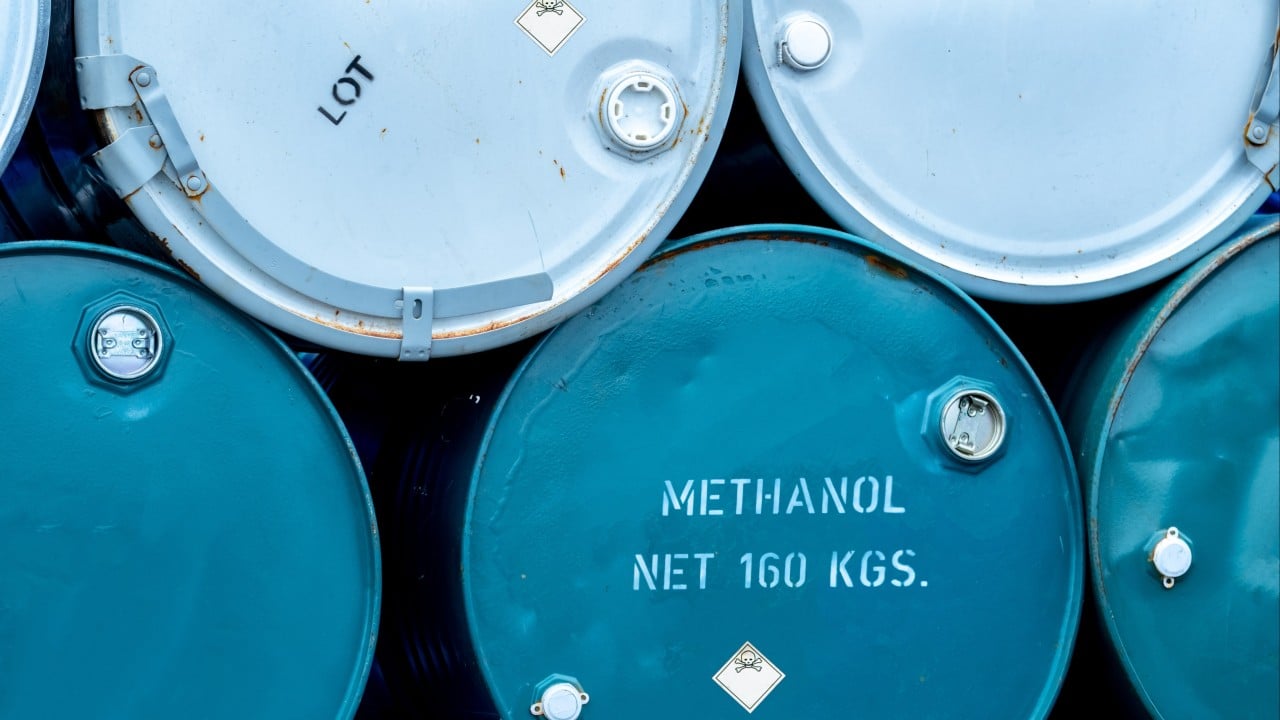
Methanol, on the other hand, is industrial poison. It is a wood alcohol used in solvents, antifreeze, and fuel. It smells similar, it tastes remarkably similar, and to an unscrupulous operator looking to stretch thin profit margins, it costs a fraction of the price.
Imagine a makeshift distillery operating in a dim shed. The equipment is crude, cobbled together from discarded metal pipes and plastic drums. The brewer wants volume. They want speed. When supplies run short or costs spike, corners are cut. Industrial solvents or improperly distilled denatured alcohol are introduced to boost potency or stretch the yield.
When a human consumes methanol, the body's liver enzymes set to work, metabolizing the substance. But instead of breaking it down into harmless byproducts, those enzymes convert methanol into formaldehyde and formic acid. Formic acid is a metabolic toxin. It attacks the optic nerve, starving it of oxygen. It ravages the central nervous system. It triggers severe metabolic acidosis, turning the body's internal chemistry violently acidic.
The victim essentially suffocates from the inside out while their organs shut down one by one.
This is not a localized anomaly. It is a recurring tragedy across parts of the developing world where weak regulatory enforcement collides with economic desperation. When inflation bites hard and the cost of legally manufactured, taxed liquor climbs beyond the reach of everyday laborers, a shadow market thrives.
People still want to gather. They still want to escape the crushing weight of daily survival for a few hours. They buy from unregulated vendors because they have no other choice, or because the price difference is the difference between eating tomorrow or going hungry.
And so, the trap springs shut.
Consider what happens inside a community when a batch like this hits the streets. The deaths do not happen in isolation. They sweep through extended families and tight-knit friend groups. One household loses its primary breadwinner. Another loses a young mother. Funerals stack up in rapid succession, overwhelming local morgues and stretching grief past its breaking point.
The survivors carry a different kind of burden. For those struck with permanent blindness, the world shrinks instantly to darkness. A mechanic can no longer fix an engine. A seamstress can no longer thread a needle. Independence vanishes overnight, replaced by total reliance on grieving relatives who are themselves struggling to survive.
Public health officials issue warnings. Radio broadcasts plead with citizens to avoid unsealed, locally produced spirits. Raids are launched on illicit dens, yielding drums of toxic concoctions that are promptly poured into the dirt or set ablaze for the cameras.
Yet, once the news cycle fades, the root causes remain stubbornly intact.
Poverty does not vanish because a distillery is raided. Economic pressure does not lift because a warning is broadcast on the evening news. As long as there is a vast population priced out of safety, there will be someone willing to sell a cheap shortcut. And as long as those shortcuts exist, the risk remains suspended like a loaded gun in the shadows.
True safety cannot be achieved merely by punishing the symptoms. It requires an unsparing look at the economic fractures that drive people toward unregulated hazards in the first place. It demands transparent supply chains, accessible testing tools for local vendors, and a legal market priced realistically for the communities it serves.
Until those systemic changes take root, every bottle bought in the dim light of a roadside stall carries a silent question mark.
The sun dips lower over the courtyard, casting long, sharp shadows across the concrete. A stray dog wanders past the empty wooden table, sniffing indifferently at the dust. Somewhere down the road, a radio plays a familiar tune, competing with the hum of generators and the chatter of children chasing a deflated football. Life resumes its restless rhythm, fragile and resilient all at once. But behind closed doors, in rooms heavy with photographs and unread messages, the absence remains absolute—a stark, quiet reminder of the night the celebration turned to stone.