You notice it first at the edge of a marmalade jar left too long on a wooden deck in Sussex. Or rather, you notice the lack of it.
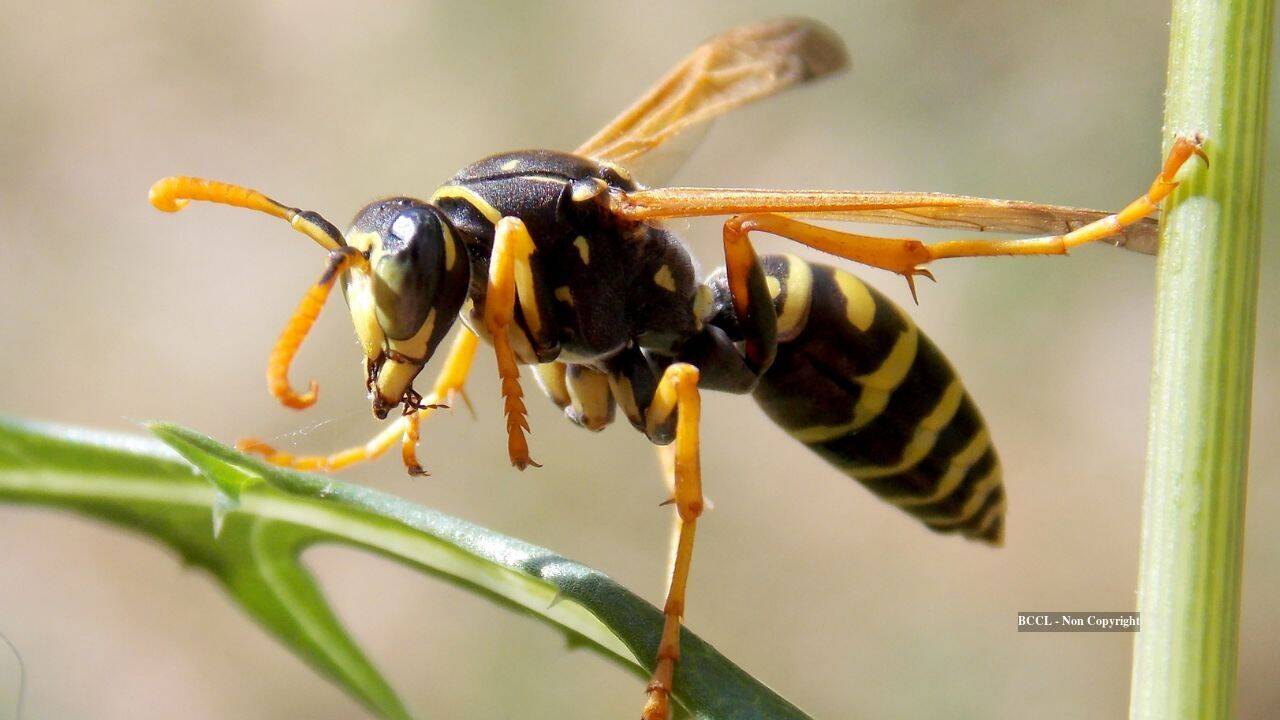
For decades, the British summer came with an uninvited, velvet-winged orchestra. August meant yellow-and-black sentinels crashing into glass doors, patrolling picnic blankets with calculated insolence, and turning every outdoor pint of cider into a high-stakes game of slow motion diplomacy. We cursed them. We swatted them with rolled-up copies of the Daily Mail. We trapped them in upturned pint glasses on pub patios, watching their frantic, furious wings beat against clear plastic.
We took their presence as a birthright. A baseline nuisance of the English season.
And then, somewhere around June, the air went hollow.
Walk through an orchard in Kent right now, or peer into the overgrown hedgerows of Oxfordshire. The blackberries are plumping up, purple and heavy, but the air above them is weirdly, unnervingly still. Entomologists are out in the field with empty sweep nets, staring into the canopy with expressions that border on disbelief. They are looking for Vespula vulgaris—the common wasp—and finding almost nothing.
To understand what this quiet means, we have to look past our own bruised ankles and sticky fingers. We have to reckon with the profound, fragile machinery of an ecosystem that is currently missing one of its most vital, misunderstood gears.
Consider what happens when a natural system loses its villains.
Dr. Arthur Pendelton has spent thirty years studying hymenoptera in a drafty brick building at the University of Reading. When I met him behind his cluttered laboratory, he wasn't looking at data points on a screen; he was holding a rusted metal container filled with pinning boxes, his thumb tracing the label of a specimen caught in 1984.
"People think of wasps as little flying hypodermic needles whose sole purpose is ruining a garden barbecue," he told me, adjusting glasses held together at the bridge by yellowed tape. "It is a comforting narrative. It makes it very easy to hate them. But hate is an ecological luxury we can no longer afford."
The narrative we built around wasps is entirely reactive. We remember the sting at seven years old by the community pool. We remember the swollen knuckle. We forget the heavy lifting happening silently in the background, far away from our picnic baskets.
Wasps are not accidental visitors to our yards; they are apex predators of the invertebrate world. A single established colony of common wasps will consume thousands of greenflies, caterpillars, aphids, and blowflies every single day. They are the chemical-free pest control of the British countryside, patrolling the barley fields and cabbage patches with relentless predatory efficiency.
When the wasps vanish, the aphids multiply. When the aphids multiply, the delicate balance of the food web wobbles.
And yet, this summer, the traps remain empty. Cider glasses sit undisturbed on pub tables from Brighton to Newcastle. The great yellow silence has settled over the island, and the reasons for it are as complex as they are alarming.
Weather, of course, is the immediate suspect. British wildlife is always a hostage to fortune, tossed between unseasonal frosts and sudden heatwaves.
Last winter was a slow, damp grind of heavy rainfall followed by erratic temperature spikes that tricked the natural calendar. Queen wasps, tucked away in the damp earth or beneath rotting logs, woke up early, driven by false springs. They emerged into a landscape devoid of the early spring nectar they desperately needed to jumpstart their colonies. Many simply starved in the chill of April winds. Others built their primary nests too soon, only to have them waterlogged by torrential May downpours that turned underground chambers into silent tombs.
Nature is a harsh accountant. When the margins are thin, a single week of unseasonal cold can wipe out generations before they even learn to fly.
But weather alone does not tell the whole story. To blame only the rain is to ignore the slow, grinding pressure we have placed on the landscape for the last half-century.
We have sanitized our world. We have replaced the tangled, messy hedgerows of old England—the wild brambles, the rotting stumps, the undisturbed thickets where queens find sanctuary—with sterile agricultural borders and manicured suburban lawns. We have sprayed systemic insecticides across millions of acres, creating an invisible, toxic fog that strips the soil and foliage of the very caterpillars and grubs that wasps rely on to feed their voracious larvae.
We wanted a cleaner world. We are finally getting it. And it turns out that a clean world is a dead world.
I spoke with Sarah Jenkins, a generational fruit grower in the Vale of Evesham, whose family has harvested plums and apples since the interwar years. She stood beneath the heavy bows of a Victoria plum tree, her hands stained with purple juice, looking genuinely troubled by the lack of insect life.
"Everyone thinks a fruit grower hates anything with wings," she said, shaking her head. "And sure, come August, they can take a bite out of a ripe plum, leaving it hollowed out. But look down."
She pointed to the damp mulch beneath our boots.
"Last year, you couldn't walk here without stepping carefully. The ground was humming. The fallen fruit would rot down because the scavengers—the beetles, the flies, the wasps—were processing it, recycling the sugars right back into the earth. This year? The dropped fruit just sits there. It molds. It sours. The natural cleanup crew didn't clock in for work."
The absence of wasps triggers a cascade effect that ripples outward through the entire biological community. Songbirds—blue tits, swallows, martins—depend heavily on soft-bodied insects and wasp larvae to feed their rapidly growing nestlings. Without that high-protein diet during critical breeding windows, fledgling survival rates drop sharply.
Even the pollination network suffers. While bees get all the press—and rightly so, with their fuzzy yellow coats and industrious PR campaigns—wasps are crucial, albeit accidental, pollinators. As they lumber from flower to flower in search of nectar to fuel their own flight, pollen clings to their relatively hairless bodies. They visit a wider variety of plants than many specialist bees, making them rugged generalists of the botanical world.
When you delete the wasp, you tear a ragged hole in the ecological fabric of Britain. You remove a predator, a scavenger, and a pollinator all at once, leaving an emptiness that no amount of synthetic intervention can easily patch.
There is a strange melancholy to this year's warmth.
The sun beats down on empty beer gardens. The afternoon air is hot, bright, and deeply quiet. We sit outside with our children and our lemonade, breathing in the scent of dry grass and sun-baked earth, enjoying the unbothered peace of a wasp-free afternoon.
It feels like a victory, of sorts. The human animal, carving out a safe, sting-free zone in the middle of nature.
1
Just one.
A single queen, exhausted and late-arising, struggling to find a foothold in a landscape that has been paved, sprayed, and sanitized into oblivion.
If we continue down this path of eradicating every creature that inconveniences our summer afternoons, we will eventually succeed. We will build a world of perfect, sterile comfort. We will sit on our patios without a single buzzing distraction, sipping our drinks in absolute, unblemished tranquility.
And around us, the trees will fail to fruit. The songbirds will fall silent in the oaks. The soil will sour beneath our feet, unable to process the heavy, unblemished harvest of a dying summer.
The wasp does not ask for our love. It only asks for a place in the margin. And as we watch them slip away into the long, hot quiet of an English August, we are beginning to realize just how much of our own world was riding on their wings.