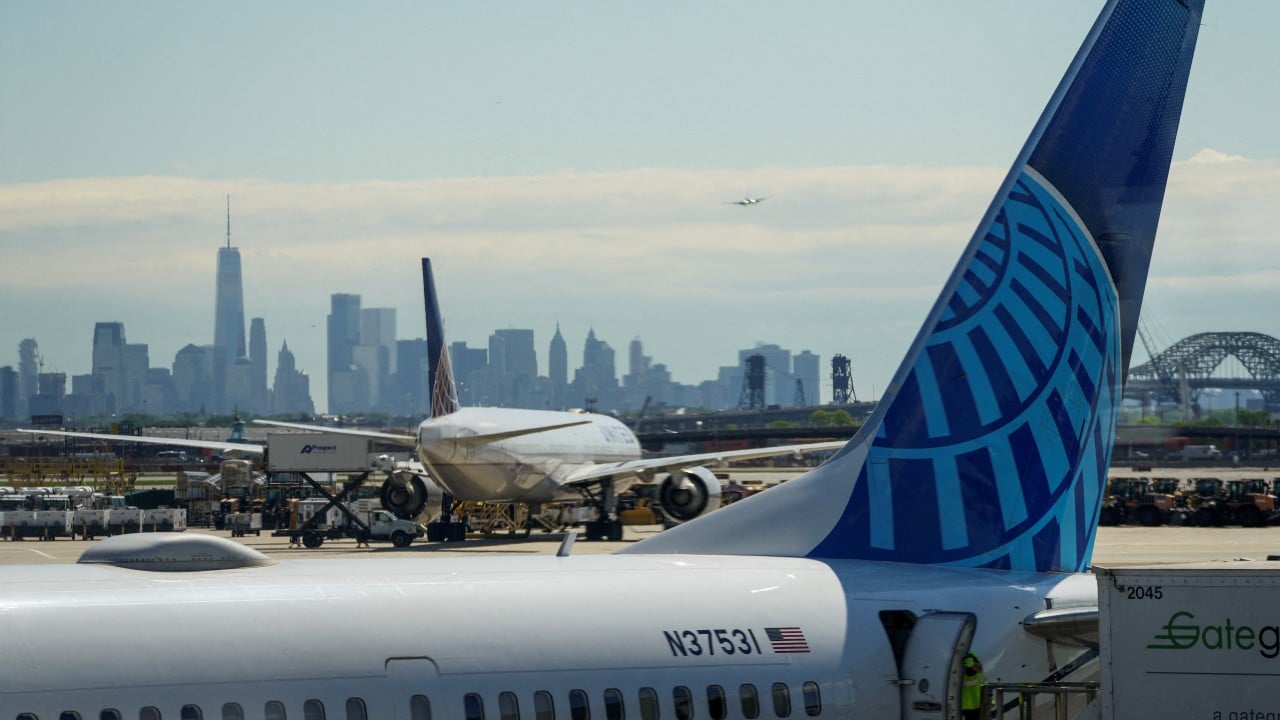
Every September, the aviation industry performs a synchronized ritual of collective amnesia. Flights on the United States east coast get grounded, delayed, or rerouted because a few dozen heads of state descend on New York for the United Nations General Assembly. The media treats this routine airspace seizure as an inevitable act of nature, like a hurricane or an unpreventable blizzard.
They are wrong. If you liked this article, you might want to check out: this related article.
The lazy consensus in every major newsroom is that closing airspace around New York City is a mandatory tax we pay for international diplomacy. Commentators drone on about the logistical nightmare of protecting global leaders, treating temporary ground stops as high-stakes security theater executed with surgical precision.
The reality is far uglier. Airspace closures over the busiest corridor in North America are not precision instruments. They are a blunt-force symptom of an inflexible air traffic architecture that panics the moment a VIP motorcade enters Manhattan. For another look on this development, refer to the latest update from Al Jazeera.
I have watched airport operations teams scramble as sudden VIP temporary flight restrictions ripple outward from JFK, LaGuardia, and Newark, turning a minor scheduling adjustment into a hundred-million-dollar operational collapse. Carriers burn millions in extra jet fuel, crews time out, and passengers miss connections in Atlanta, Chicago, and London—all because the federal government treats the skies above Manhattan like a private driveway.
The popular narrative assumes that VIP security requires halting commercial air traffic. That premise is false. Modern radar, transponder tracking, and military escort protocols mean high-altitude corridors can remain open without compromising the safety of anyone on the ground. When authorities shut down sectors of the eastern seaboard instead of executing surgical routing, they are admitting a failure of imagination. They are choosing the easiest option for themselves and passing the friction down to millions of ticket-paying travelers.
People ask why flights cannot simply be rerouted around the restricted zones without causing system-wide gridlock. The answer exposes the fragility of the entire system. The eastern seaboard operates at maximum capacity on a good day. There is no slack in the network. When you pinch the hose in New York, the backup reaches all the way to Boston and Washington.
Airlines accept this because they have outsourced their operational resilience to government mandates. Instead of investing in decentralized scheduling or demanding modern air traffic control upgrades, carriers treat September delays as a predictable line item in their annual reports.
Stop pretending these ground stops are an unalterable law of physics. They are an administrative choice. Until travelers and airlines stop treating airspace closures as an unavoidable tax on diplomacy, the system will keep grounding your flight so a motorcade can move down First Avenue.
Next time you are stuck on a tarmac in Philadelphia waiting for a slot to open up in New York, do not blame the weather. Blame a system that values convenience for the few over the movement of the many.