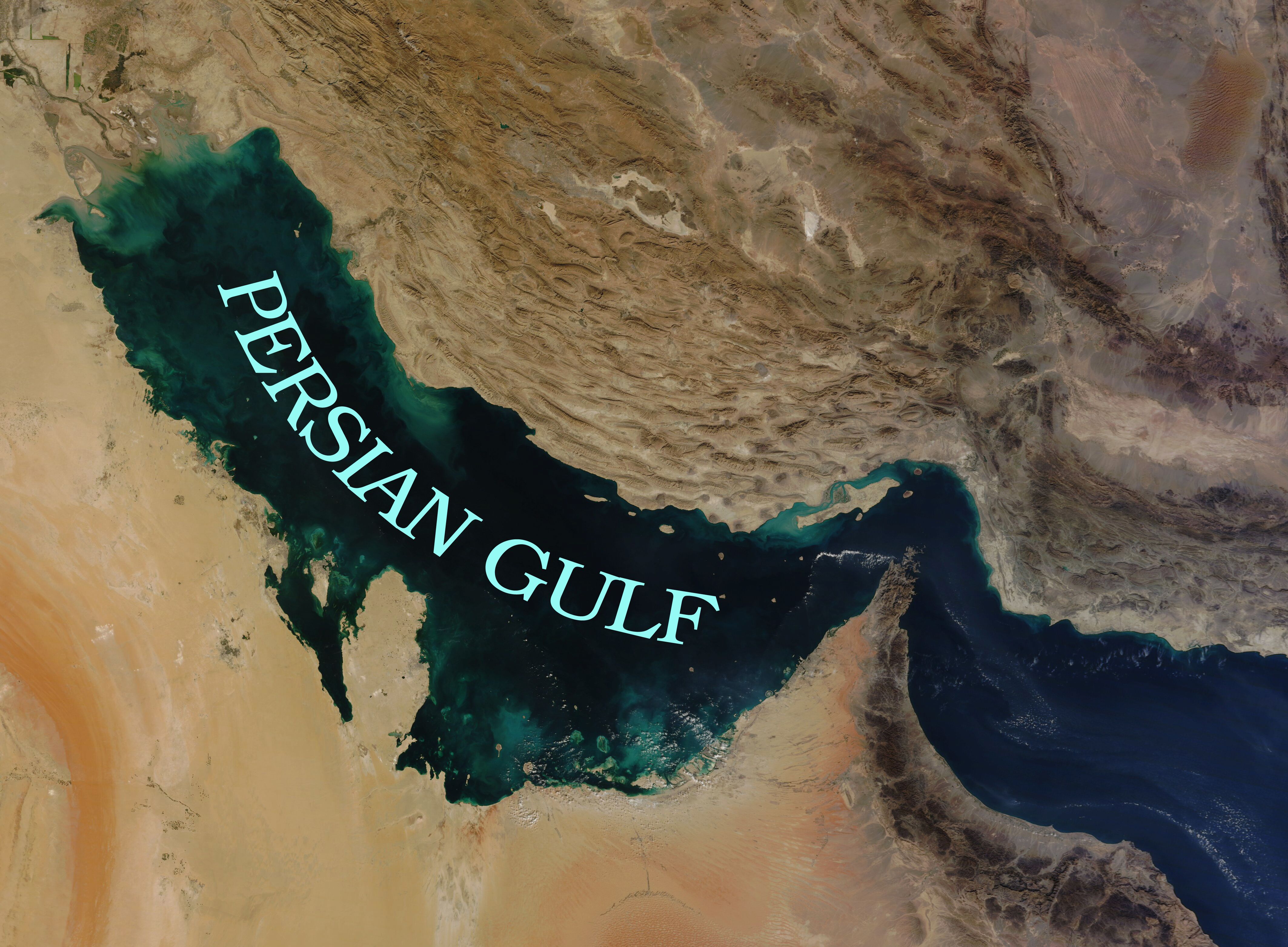
Can a diplomatic sprint across four Gulf capitals actually calm angry drivers at French gas stations? Honestly, it helps at the margins, yet it doesn't magic away a global supply shock.
When President Emmanuel Macron toured Kuwait, the United Arab Emirates, Bahrain, and Qatar in mid-October 2026, he wasn't just making courtesy calls. Diesel prices had surged across Europe after conflict involving Iran choked shipping through the Strait of Hormuz, sparking street protests and political heat at home. By locking in an extra 200,000 metric tons of diesel a month from the UAE and Bahrain—100,000 tons each—Macron pushed France's monthly Gulf diesel commitments to roughly 295,000 metric tons.
That sounds big until you check the math. Two hundred ninety-five thousand metric tons covers just over 10% of France's monthly diesel consumption. Ten percent is meaningful relief when tankers are scarce. Still, nearly ninety percent of what French trucks, buses, farmers, and commuters burn has to come from somewhere else—or get squeezed by tight global markets.
Why Gulf Diesel Matters Right Now
Diesel isn't just another fuel in France. It's the economic bloodstream of freight haulers, construction crews, regional rail, and rural commutes. When diesel spikes, grocery shelves and delivery bills follow fast.
During the October 2026 tour, Macron traveled alongside top executives from TotalEnergies and Engie, trying to turn diplomatic goodwill into hard barrels and cargo slots. Alongside the 100,000-ton pledges from both the UAE and Bahrain, the French presidency highlighted commitments from Kuwait to supply diesel and kerosene to France's Indian Ocean territories, Mayotte and Réunion, routed via Oman to steer clear of Strait of Hormuz disruptions. In Doha, Macron also pointed to winter liquefied natural gas (LNG) supply—around two terawatt-hours per month—as part of the broader push to steady energy ahead of cold weather.
By early November 2026, Macron claimed victory on pump prices, saying diesel had dropped by more than 10 euro cents per liter without tax cuts or populist price caps. That's real breathing room for a household filling a 50-liter tank—roughly five euros saved per fill-up.
Yet I'm skeptical about calling this a permanent cure. Global oil and refined product markets react to tanker insurance, naval risk, and refinery bottlenecks day by day. A 10-cent dip can vanish in a single week if shipping around the Gulf gets hit again.
The Strait of Hormuz Bottleneck
Anyone who watches energy logistics knows the Strait of Hormuz is a chokepoint with no easy shortcut at scale. When hostilities disrupt transit there, Gulf exporters face rerouting headaches, higher freight rates, and strike risks on energy infrastructure.
Even when Gulf producers want to help a longtime partner like France, moving refined diesel out of the region under wartime or semi-blockade conditions isn't like ordering pizza. Routing via Oman helps bypass immediate bottlenecks for specific cargoes, like shipments bound for Mayotte and Réunion, while European buyers still compete fiercely for non-Gulf barrels across the Atlantic and Mediterranean.
What Competitors Miss About the Politics and Budget
Most quick news recaps treat this story like a simple equation: Macron visits Gulf states, gets diesel, prices ease. That misses the tighter trap sitting on Macron's desk in Paris.
France entered late 2026 under heavy fiscal strain, with limited room to splurge on broad fuel subsidies or sweeping tax cuts without blowing up deficit targets. Remember how costly blanket pump discounts were in past energy crunches—they helped everyone, including high earners, while draining billions from the state budget. Macron's pitch was that bilateral supply deals and tapping coordinated measures—such as the G7's early-October agreement to draw up to 100 million barrels from strategic reserves, alongside selective domestic reserve use—let Paris ease pressure without wrecking public finances.
There's also an unavoidable calendar factor. With France's next presidential election set for 2027, every euro cent at the pump carries political weight. Protests over living costs had already rattled the streets before the Gulf trip. Showing voters an active president cutting deals abroad—and pairing energy talks with defense and strategic ties, including Rafale F5 fighter-jet cooperation with the UAE—was as much about projecting control as moving molecules.
Why Supply Pledges Don't Automatically Fix Pump Prices
Here's a common misconception worth clearing up: signing a bilateral commitment for extra monthly tons doesn't mean the French government sets a discount price at TotalEnergies or Leclerc stations.
Fuel prices in France reflect global refined product benchmarks (like Platts quotes in Northwest Europe), crude prices, currency swings, refining margins, distribution costs, and taxes. Extra supply helps loosen a tight market—which can pull wholesale prices down—but refiners and retailers still price to market conditions unless the state intervenes directly.
In other words, diplomacy changes availability and market sentiment first. Pump prices only follow if physical barrels actually arrive on schedule and keep regional balances from tightening again.
Real-World Impact on Drivers, Fleets, and Businesses
If you run a small delivery van, manage a regional trucking route, or commute 60 kilometers a day outside a major rail hub, headlines about "295,000 metric tons" feel abstract. What matters is predictability.
- Commuters and rural households: A 10-cent-per-liter drop helps, sure, but volatility is the bigger headache. Budgeting gets tough when fuel jumps 25 cents one month and falls 10 the next.
- Freight and logistics operators: Thin margins make diesel swings brutal. Even small per-liter shifts add up fast across a fleet of twenty or fifty trucks, forcing carriers to adjust fuel surcharges or renegotiate client contracts.
- Overseas territories: Dedicated commitments for diesel and kerosene into Mayotte and Réunion address a specific vulnerability—island economies have tiny local buffers when global shipping slows.
- Broader European energy: As analysts tracking European energy balances have noted, Europe is heading into the 2026–2027 winter with tighter gas storage than normal and elevated energy import bills overall. Diesel isn't isolated from power and gas markets; when one energy lane tightens, industrial substitution and freight costs ripple everywhere.
Having spent years tracking how commodity shocks hit real balance sheets, I can tell you the biggest mistake businesses make during a fuel spike is waiting for politicians to stabilize prices. Hope isn't a hedging strategy.
Practical Next Steps When Fuel Prices Swing
Whether you're managing a household budget or running a business exposed to diesel costs, you can take concrete steps right now instead of just watching the news:
- Audit your actual fuel burn: Track liters used per week and cost per kilometer or per delivery over the past 90 days so you know your true break-even point rather than guessing.
- Build fuel surcharges or price-adjustment clauses into quotes: If you move goods or provide on-site services, tie short-term rate adjustments to transparent fuel benchmarks so spikes don't wipe out your margin.
- Cut idle miles and speed drag: Route consolidation, tire pressure checks, and trimming highway speeds by even 5 to 10 km/h often shave noticeable fuel burn immediately—zero capital expenditure required.
- Watch wholesale and reserve signals, not just headlines: Follow official energy agencies like the International Energy Agency (IEA), European Commission energy updates, and French ministry fuel data to separate temporary price dips from structural supply tightness.
- Stress-test your winter cash flow: If your business relies on diesel, heating fuel, or energy-heavy suppliers, model a scenario where prices stay elevated or spike again before spring.
Gulf diesel deals give Paris a useful cushion, yet as long as Strait of Hormuz tensions linger, fuel resilience starts with how tightly you manage your own exposure.


