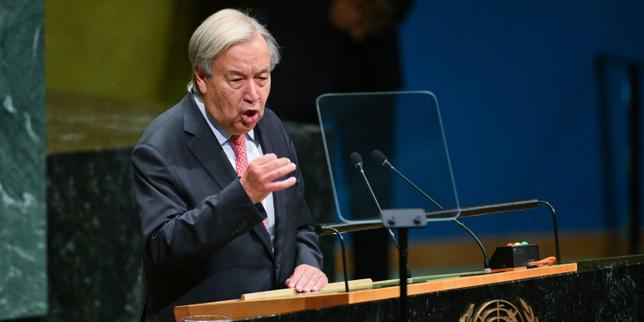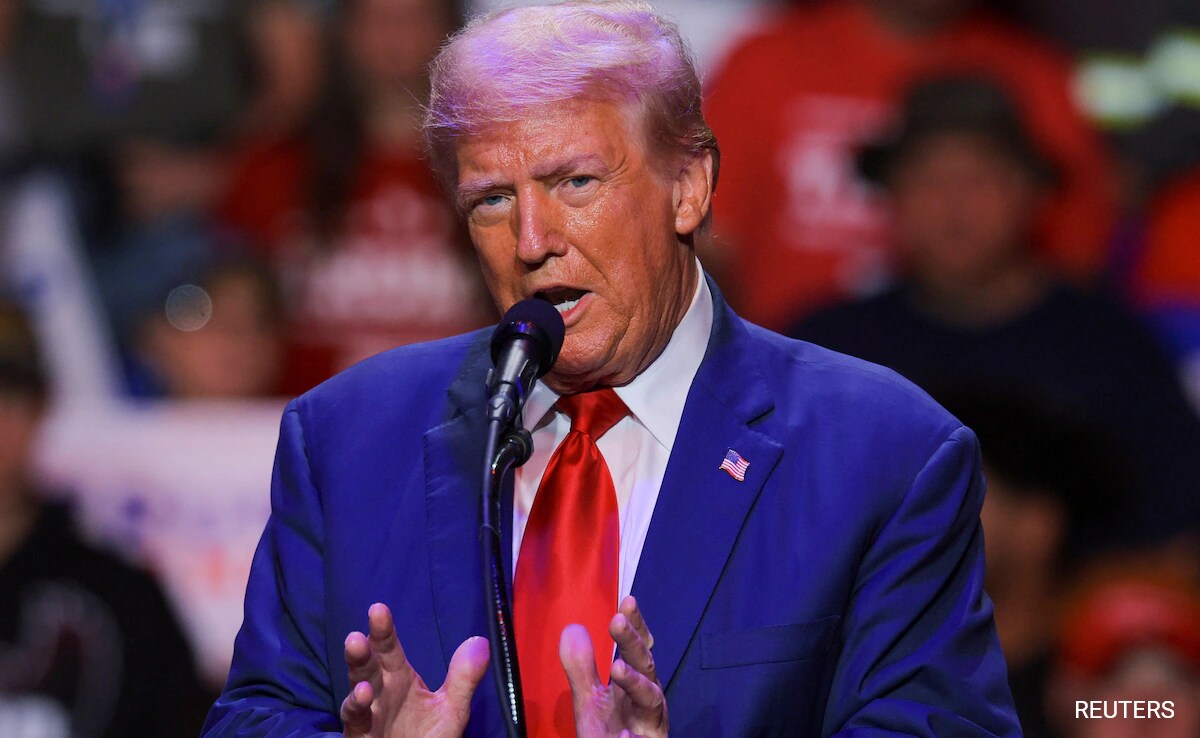
The speech delivered at the United Nations General Assembly was vintage diplomatic theater, but its policy implications were profoundly severe. United States President Donald Trump took to the podium and issued a blunt, unvarnished demand to the international community: abandon the International Criminal Court immediately. Dismissing the Hague-based tribunal as an "out-of-control" and "rogue institution," the administration made it clear that Washington views the court not as an instrument of global justice, but as an existential threat to state sovereignty.
This direct assault on the architecture of international law is not happening in a vacuum. It is the culmination of years of escalating friction between American foreign policy and a court that has increasingly sought to assert jurisdiction over non-member states, most notably concerning actions in conflict zones involving close American allies. For a different look, check out: this related article.
The Mechanics of Retaliation
To understand why the White House has chosen a strategy of outright dismantling rather than passive indifference, one must look at the financial and legal pressure points currently being deployed. Washington has moved far beyond verbal condemnation. The administration has implemented aggressive sanctions targeting current and former court officials, freezing assets, and even penalizing half of the tribunal's sitting judges.
These measures are designed to induce operational paralysis. By treating ICC personnel with the kind of financial isolation normally reserved for narcotics cartels or international terrorists, the United States has introduced immense friction into the court's daily functioning. European institutions and Dutch officials have scrambled to construct defensive legislative shields—such as emergency blocking statutes—to protect financial and IT service providers from running afoul of American secondary sanctions. Yet, the psychological and structural chill remains palpable. When the world's preeminent economic superpower decides to choke off an international judicial body from standard banking infrastructure, the institutional costs multiply rapidly. Related coverage regarding this has been published by Al Jazeera.
The Sovereignty Paradox
At the heart of this confrontation lies an irreconcilable philosophical divide over jurisdiction. The United States has never ratified the Rome Statute, maintaining that its military personnel and political leadership cannot be subjected to the authority of a treaty they never signed.
For Washington, allowing an external body to sit in judgment over sovereign actions sets a dangerous precedent that could paralyze democratic nations while leaving authoritarian regimes relatively insulated, given their refusal to cooperate or join. Proponents of the court counter that gross violations of human rights and humanitarian law demand a universal standard of accountability, transcending traditional borders and non-membership.
This friction escalated sharply following the issuance of high-profile arrest warrants involving leaders of close U.S. allies. To the American security establishment, these actions crossed a red line, transforming the court from a flawed human rights arbiter into an overtly political actor operating without democratic checks or balances.
A Fractured Global Response
Despite the fiery rhetoric echoing through the halls of the United Nations, the global response to the American ultimatum has been largely muted or defiant, depending on the capital. Major European allies have rushed to defend the tribunal. Dutch leadership and European Union foreign policy representatives publicly reaffirmed their commitment to the court, framing any attempt to dismantle it as an attack on the foundational rules-based international order.
Yet, practical compliance tells a more nuanced story. While few nations outside of minor states have rushed to formally withdraw from the Rome Statute, many developing countries find themselves caught in the crossfire of great power politics, quietly assessing the economic fallout of defying American financial muscle. The risk for the court is not a mass stampede of sudden resignations, but a slow erosion of institutional capacity as fear of secondary sanctions deters competent jurists, investigators, and operational partners from engaging with its mandate.
The confrontation at the United Nations marks a definitive pivot point. The era of polite diplomatic disagreements over international jurisprudence has given way to an era of open institutional warfare, leaving the future of global accountability hanging in a precarious balance.
For a broader look at the tensions surrounding the tribunal, you can view this analysis on ICC global friction and political fallout, which breaks down the diplomatic exchanges and the immediate reactions from international delegates at the assembly.