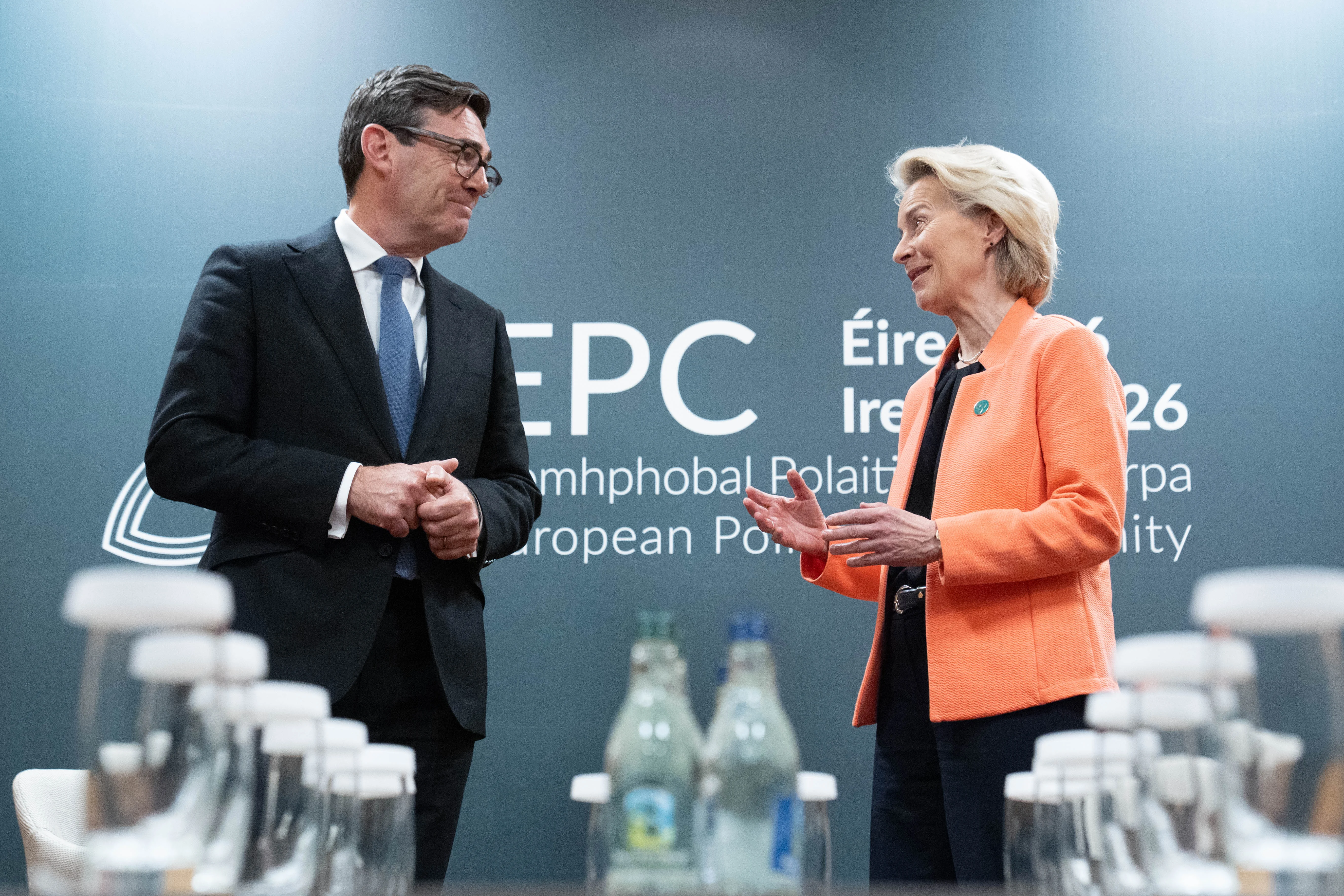
Cold coffee sits in styrofoam cups outside a windowless meeting room while two sides argue over the shelf life of a ham sandwich.
That sounds like a punchline. For years after Britain voted to leave the European Union, it was reality. Diplomats counted stamps, lawyers debated customs codes, and a twenty-one-mile stretch of cold water between Dover and Calais began to feel like an ocean. When a rare summit brings British and European leaders back to the same table to mend ties, wire stories treat it like a routine calendar item. A handshake on the steps. A joint statement full of careful verbs. A polite nod to shared history.
Stop. Look closer at what a summit actually is. It is not merely a photo opportunity between politicians in sharp suits. It is an admission that distance has a price tag, and that geography is stubborn. You can redraw a border on a map with a thick black marker, and you can print new passports in a different color, yet the wind still blows across the Channel, the electricity grids still hum near one another, and a family living in Kent or Cork or Rotterdam still wakes up tied to the same economy.
I have stood in customs lanes at dawn with diesel fumes biting the back of my throat and watched drivers stare at screens that refused to turn green. You smell the damp wool of a driver's jacket, hear the low grumble of idling engines stretching for miles, and feel the quiet exhaustion of people whose livelihoods depend on someone else's paperwork. That is where trade policy lives. Not in a communique. In the ache behind a driver's eyes at four in the morning.
The Quiet Friction Behind Every Border Stamp
Consider what happens next when a border hardens between places that spent decades trading without friction. Think of it like removing the oil from a clockwork watch. Every gear is still made of good brass, and the mainspring still wants to turn, yet every tooth catches, scrapes, and sheds heat until the hands stutter.
To make this concrete, let us use a hypothetical scenario grounded in how cross-border supply chains operate. Suppose Claire runs a small food wholesale business in Bristol that ships specialty cheeses and cured meats to restaurants in Lille and Ghent. Before the rules shifted, a pallet left her depot on Tuesday morning and reached a kitchen prep table on Wednesday afternoon. After new sanitary checks, export health certificates, and customs declarations arrived, a single delayed signature on a form could turn a profitable shipment into spoiled stock sitting in a holding bay.
Claire is a composite character built from real stories told by small exporters across Britain and the continent, yet her dilemma is painfully real. A multinational corporation can hire a whole floor of compliance officers and absorb extra paperwork as a cost of doing business. A ten-person firm cannot. When a small business owner loses three days fighting over an animal health certificate or a rule-of-origin declaration, they do not experience "regulatory divergence." They feel their stomach drop when an invoice goes unpaid or a regular buyer quietly switches to a local supplier across the street.
And the friction is not one-sided. A German machine-tool maker sending spare parts to a factory in Birmingham, a Spanish grower shipping strawberries north, or a British software engineer trying to take a client meeting in Frankfurt without tripping over work-permit rules all feel the same grit in the gears. Even when headline trade numbers fluctuate from quarter to quarter, the real cost shows up in delays, extra forms, higher insurance, and missed chances that never show up on a balance sheet.
Why does this get so confusing so fast? Because trade rules sound dry until they hit your wallet or your schedule. I will admit something candidly: even people who follow European politics for a living sometimes lose track of which agency checks what, which exemption applies this month, and whether a rule is a temporary grace period or a permanent wall. When experts struggle to keep the moving parts straight, ordinary citizens and small business owners are right to feel wary of grand promises.
Why Neighbors Can Never Truly Walk Away
History teaches us that neighbors rarely get a clean divorce. For centuries, Britain and continental Europe have swung between fierce rivalry and tight entanglement. Trade routes knitted ports together long before modern parliaments existed. Wars tore those threads apart, alliances stitched them back together, and postwar economic integration tried to make conflict unthinkable by making interdependence inescapable.
Then came the rupture of Brexit, followed by years of prickly negotiation, pandemic shocks, energy spikes, and shifting security threats on the eastern edge of Europe. During those years, the conversation often sounded like a zero-sum game. If one side gained flexibility, the other supposedly lost leverage. If one side protected a domestic rule, the other called it a barrier.
Yet look at the larger world pressing in on both sides of the Channel. Global supply chains have grown brittle. Energy markets swing wildly whenever pipelines or shipping lanes face pressure. Cyber threats and hybrid warfare do not stop at customs posts, and neither do smuggling networks or climate extremes. In a world where superpowers compete hard for industrial dominance and raw materials, bickering between close neighbors looks less like sovereignty and more like self-sabotage.
Here is a metaphor to keep in mind: imagine two houses sharing a party wall. For years, the people on either side argue over who planted the ivy or who left trash near the fence. They slam doors and board up the shared garden gate. Then a storm rips half the roof off the block, and suddenly both households realize that a leak on one side soaks the rafters on the other. You do not have to agree on every paint color in the living room to patch the roof together before the rain ruins everything.
That is the deeper pulse behind a rare summit between the U.K. and the EU. When leaders sit down after years of frosty distance, they are rarely trying to rewind history back to square one. Most voters on both sides know the clock does not run backward like a movie reel. Instead, pragmatic statecraft asks a sharper question: where does hard-headed cooperation protect jobs, lower friction, and keep people safe without reopening old wounds?
Security, Energy, and the Unseen Stakes
If trade is the visible engine of closer ties, security and energy are the heavy cables running beneath the floor. Most people only notice them when the lights flicker or a headline warns of a crisis.
Let us trace another hypothetical scenario to see how these threads connect. Picture Tomas, an energy systems engineer working on North Sea wind connections and grid stability. Power flows where physics and engineering allow, not where political speeches point. Undersea interconnectors carry electricity back and forth between Britain and continental grids, balancing supply when the wind howls over the North Sea or drops calm across a region.
When political trust between London and Brussels is thin, technical talks slow down. Engineers end up waiting on lawyers. Shared data on maritime surveillance, subsea cables, energy resilience, and defense procurement takes longer to align. Meanwhile, adversaries watch closely for gaps between allies. A seam that looks small in a diplomatic memo can become a real vulnerability when a cable is damaged, a port is targeted, or a supply chain is squeezed.
Closer cooperation in areas like security, defense coordination, or youth and business mobility does not require dramatic fanfare to matter. Sometimes progress looks modest on paper: smoother information sharing, clearer rules for technicians crossing borders to fix equipment, or fewer bottlenecks at ports of entry. To a passerby, those adjustments seem bureaucratic. To the person waiting on a shipment, a repair, or a visa stamp, they are the difference between momentum and stagnation.
Still, doubts linger, and ignoring them would be dishonest. Critics on one side worry that warming ties could quietly pull Britain back into regulatory orbits it left behind, eroding the autonomy promised during the Brexit campaign. Critics on the other side worry that granting concessions without strict reciprocity could weaken the single market or reward selective cherry-picking. Both concerns come from real anxieties about fairness, accountability, and democratic control.
A serious summit cannot wave those fears away with slogans. Trust is rebuilt slowly, brick by brick, through predictability. When agreements are clear, mutual obligations are honored, and both sides treat each other as grown-up partners rather than rivals scoring points, suspicion loses oxygen.
What a Handshake Means on a Rainy Morning
Diplomacy often feels theatrical—cameras flashing, flags lined up in neat rows, spokespeople parsing every word like scripture. Real life is quieter and messier.
Think back to that rainy morning at a port terminal. A lorry driver climbs down from the cab, breath pluming in the cold air, holding a folder of papers damp around the edges. A small business owner in another city checks her phone over morning tea, wondering if an order will clear customs on time or stall for another day. A young worker wonders whether crossing the water for a job or a course will be a routine trip or an uphill climb.
Rare summits between the U.K. and the EU matter because they test whether leaders can rise above past grievances and attend to the practical realities sitting right in front of them. They remind us that sovereignty is not proven by standing alone in the rain; it is measured by how well you protect your people's livelihood, safety, and future in a crowded, unpredictable world.
The Channel will keep rolling gray and cold beneath low clouds, carrying cargo ships, ferries, and wind off the sea. Out on the water, a foghorn sounds once—low, steady, and unmistakable—calling every vessel to hold its course through the mist.