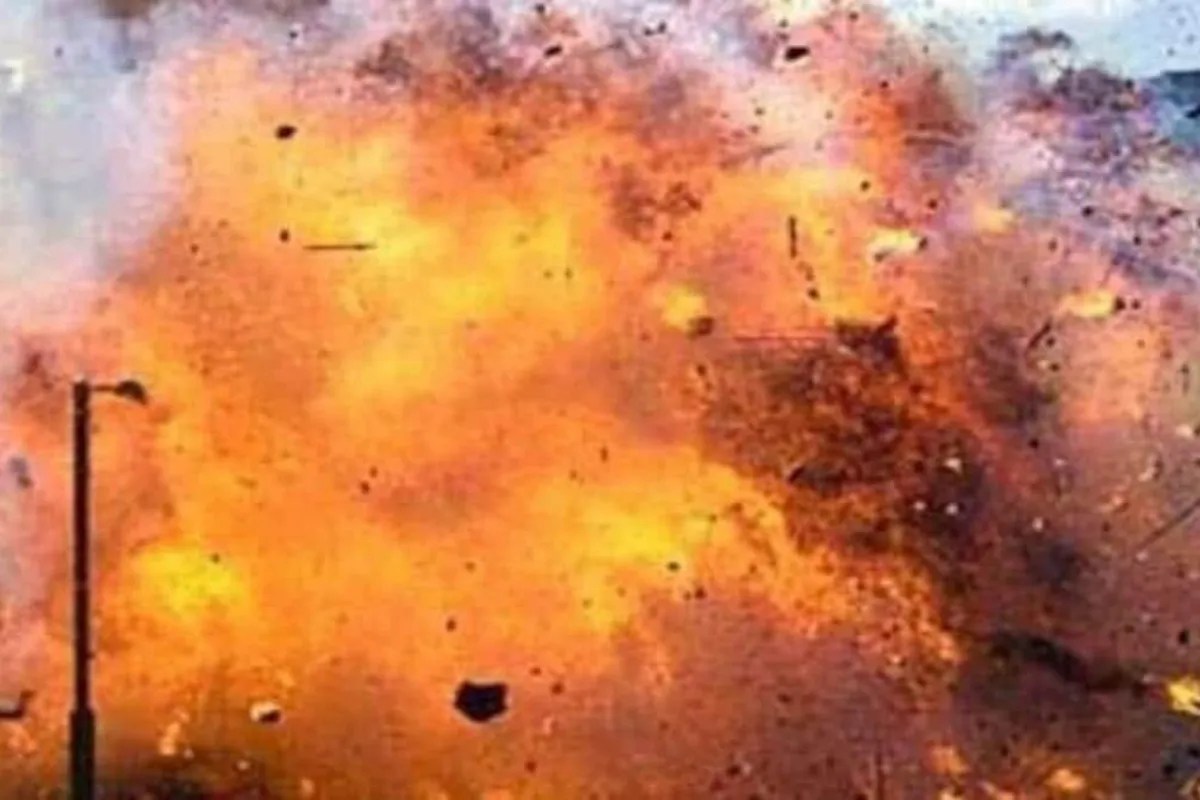
Two individuals sustained injuries following a sudden residential explosion in Iran, an incident that immediately triggers questions regarding aging infrastructure, safety regulation enforcement, and the broader vulnerabilities embedded within dense municipal sectors. While initial reports tend to flatten such events into brief safety warnings or isolated anomalies, a deeper examination reveals a persistent structural crisis. Urban centers across Iran face compounding pressures from aging gas distribution networks, strained municipal resources, and volatile domestic energy storage practices. When a residential building ruptures, it is rarely an isolated stroke of bad luck. It is typically the intersection of systemic neglect and economic strain.
Infrastructure decay does not happen in a vacuum. Decades of heavy sanctions have severely restricted access to modern industrial components, specialized maintenance machinery, and high-grade safety valves required for large-scale municipal management. Consequently, local maintenance crews routinely rely on patchwork repairs and domestic alternatives that lack the durability and precision of imported equivalents. This reality affects everything from high-pressure water mains to aging urban natural gas lines weaving beneath residential neighborhoods. If you found value in this post, you should read: this related article.
The Fragile Mechanics of Urban Gas Networks
Natural gas powers a vast share of residential heating and cooking throughout Iranian cities. However, the pipelines servicing older neighborhoods often date back decades, predating modern seismic standards and high-density urban planning. When economic pressures mount, routine safety inspections are deferred. Homeowners and landlords alike cut corners on internal plumbing maintenance, ignoring subtle warning signs such as faint pipe corrosion or minor pressure fluctuations.
Consider how a minor seal degradation inside a basement valve can compound over days. A small leak accumulates in an unventilated crawlspace, mixing silently with ambient air until a pilot light or an electrical switch triggers ignition. The resulting blast destroys structural load-bearing walls designed for vertical support rather than lateral shock waves. For another look on this event, check out the latest update from The Guardian.
Municipal emergency responders face severe operational bottlenecks when these incidents occur. First responders frequently operate with outdated heavy rescue gear, delayed communication frequencies, and fleets of aging fire tenders that struggle to navigate narrow, congested alleyways typical of older urban districts. In high-density settings, every minute spent clearing traffic or hauling manual extraction equipment magnifies the casualty toll and structural collapse risk.
Economic Strain and the Safety Paradox
Safety regulations are only as effective as the enforcement apparatus backing them up. In an economy grappling with persistent inflation and currency depreciation, the cost of certified building materials and professional safety audits has skyrocketed. Many property owners view mandatory inspections as an expendable luxury rather than an absolute necessity.
This environment fosters a dangerous normalization of risk. Citizens adapt to flickering electrical grids, makeshift wiring harnesses, and rattling gas meters because upgrading them demands capital that many
The Blast Behind Closed Doors Inside Iran Infrastructure Strain
news
gerilim
An explosion ripped through a residential building in Iran, injuring two people and laying bare the hidden strains fracturing the country's urban infrastructure. Official statements often point toward isolated domestic accidents, but a closer examination reveals a repeating pattern of structural failures fueled by chronic economic pressure, aging utility grids, and decaying safety enforcement.
When a gas leak or electrical fault triggers a blast in a densely populated district, the immediate aftermath is measured in shattered glass and hospital admissions. Yet the true story extends far beyond the blast radius. It points to a systemic vulnerability that affects millions of residents living beneath the shadow of delayed maintenance and inadequate municipal oversight.
The Anatomy of Urban Decay
Decades of heavy economic sanctions and internal budgetary shifts have taken a heavy toll on municipal maintenance across major urban centers. Essential services face severe funding shortages. Upgrades to aging gas pipelines and electrical networks are routinely postponed or abandoned entirely.
Consider the typical urban apartment block built decades ago. These structures often lack the modern safety cut-off valves, fire suppression systems, and ventilation standards common in contemporary architecture. When combined with improvised repairs or substandard building materials due to high inflation, every kitchen stove becomes a potential hazard.
Citizens carry the weight of these risks daily. Routine maintenance has turned into a luxury few landlords can afford, while state oversight bodies struggle with understaffing and limited resources. The injured victims pulled from the rubble are not merely casualties of an unfortunate accident; they are casualties of a quiet structural degradation.
Economic Pressures and Safety Compromises
Safety standards depend heavily on enforcement and affordable access to certified parts. When inflation spirals upward and basic supplies become prohibitively expensive, corners are cut. People use cheaper, unregulated alternatives for home heating and cooking. Maintenance checks are skipped to save money.
This environment creates a perpetual state of latent hazard. The state media reports the incident as a localized gas leak, offering brief sympathy to the injured before moving on to geopolitical headlines. This narrative strategy obscures the broader reality. Every neglected valve and every deferred pipeline inspection accumulates risk until a single spark forces the issue into the open.
Emergency responders face their own set of obstacles. Outdated equipment, congested traffic grids, and delayed response times compound the severity of these incidents. First responders perform heroics with minimal resources, but bravery cannot substitute for modern infrastructure and preventative planning.
What Lies Beneath the Surface
The two injured individuals in the recent blast will heal, and the debris will eventually be cleared from the street. The damaged walls will receive a fresh coat of plaster, masking the underlying fractures until the next failure occurs.
Fixing this trajectory requires more than temporary repairs or official investigations that blame individual negligence. It demands a massive capital commitment to overhaul urban utility grids, enforce strict building codes, and prioritize public safety over short-term economic survival. Until those fundamental changes happen, the next explosion is only a matter of time.