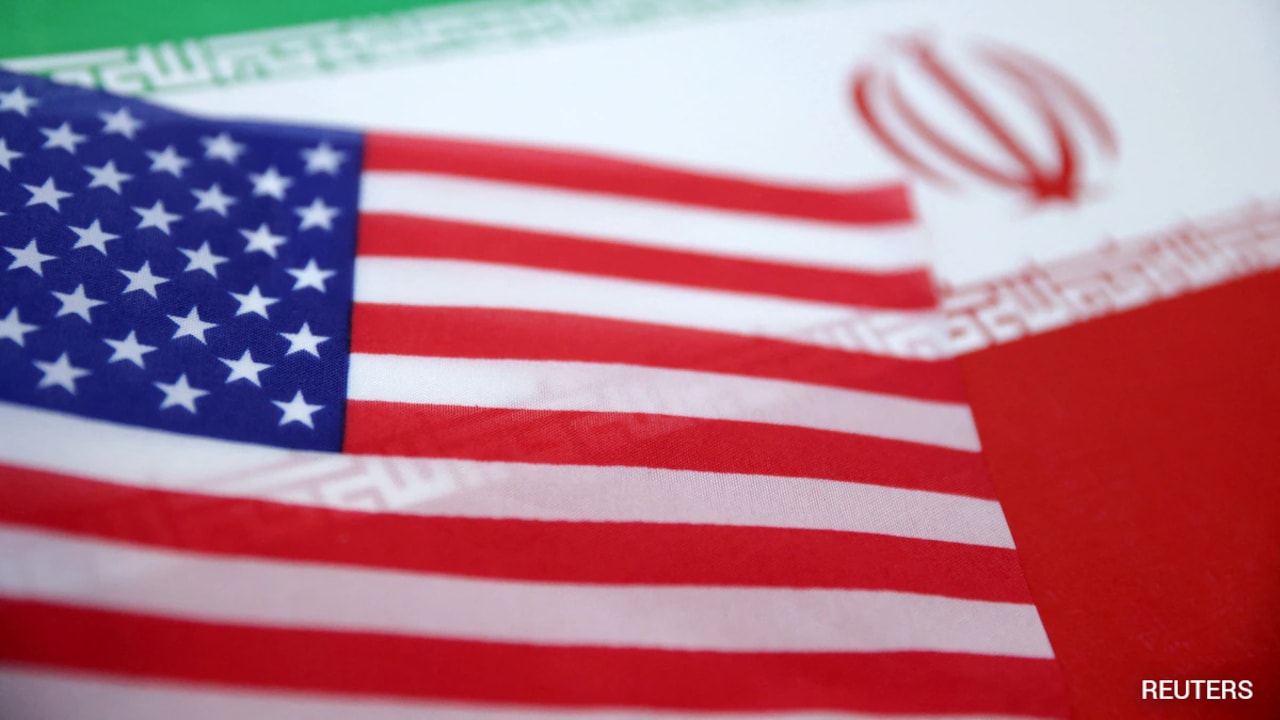
Iranian diplomats have landed in Switzerland to restart backchannel talks with American officials, a move framed by state media as a pursuit of regional stability. The reality is far more transactional. Tehran is facing a severe fiscal cliff, driven by cratering domestic currency values and tightening Western enforcement on its ghost fleet oil exports. This sudden diplomatic push is not an overnight shift toward Western alignment. It is a calculated maneuver to secure immediate sanctions relief before domestic economic unrest compromises the regime's internal security architecture.
For months, the public line from Tehran remained unyielding. Yet behind the scenes, the mechanics of survival have forced a reassessment.
The Economic Realities Threatening Tehran
The driving force behind this diplomatic re-engagement is not a sudden change of heart by the supreme leader, but the cold calculus of state survival. The Iranian rial has hit historic lows, crippling the purchasing power of the middle class and driving inflation to unsustainable levels. While the state has managed to keep its economy afloat through illicit oil sales to East Asia, those channels are narrowing.
+------------------------------------------+
|  IRANIAN ECONOMIC STRESSORS (2025-2026)  |
+------------------------------------------+
|  1. Rial Currency Depreciation           |
|  2. Enforced Sanctions on "Ghost Fleets" |
|  3. Domestic Infrastructure Crises      |
+------------------------------------------+
Washington recently cracked down on the foreign financial networks laundering the proceeds of Iran’s energy trade. The shadowy banking systems in the UAE, Türkiye, and Hong Kong that once moved billions with impunity are facing unprecedented scrutiny. The flows are drying up. Without access to hard currency, the regime cannot sustain the massive subsidies that keep basic goods affordable for its population.
When bread and fuel prices spike, protests follow. The security apparatus remembers the widespread instability of recent years and understands that brute force alone cannot indefinitely suppress an economically desperate populace. The Swiss meetings represent a desperate search for a financial safety valve.
Nuclear Leverage as a Bargaining Chip
Tehran enters these discussions with one primary asset, its advanced nuclear program. Western intelligence suggests that Iran has stockpiled enough highly enriched uranium to produce multiple nuclear weapons if the political decision is made to cross the breakout threshold.
This enrichment is a deliberate provocation designed to build leverage. By pushing centrifuges to sixty percent purity, the regime created a crisis that the West cannot ignore. The strategy is to trade a temporary freeze or reduction in enrichment levels for immediate, verifiable relief from banking restrictions.
American negotiators are fully aware of this trap. They are operating under intense pressure to neutralize the nuclear threat without embroiling the country in another protracted conflict. The challenge is that previous agreements have shown that technical rollbacks are easily reversed. Centrifuges can be unplugged, but the engineering knowledge gained over the past three years cannot be unlearned.
Shifting Alliances and the Moscow Factor
The geopolitical matrix surrounding Switzerland is vastly different than it was during the 2015 nuclear negotiations. Tehran is no longer diplomatically isolated in the East. Its defense partnership with Moscow has provided the regime with a powerful patron in the UN Security Council.
Iran has supplied hundreds of drones and ballistic missiles for use in European conflicts, receiving advanced military hardware, air defense systems, and cyber warfare capabilities in return. This axis complicates the Swiss talks significantly. Washington wants Iran to halt its military exports to Russia as part of any broader understanding.
Tehran, however, views its relationship with Moscow as an insurance policy. The leadership will not easily abandon a superpower ally that can veto punitive resolutions at the UN. The American delegation must determine whether Tehran is authorized to negotiate on these defense exports, or if the military establishment operates completely outside the control of the foreign ministry officials sitting across the table in Geneva.
Regional Proxies and the Price of De-escalation
A peace deal cannot exist in a vacuum, separated from the proxy networks that Iran maintains across the Middle East. For decades, the Islamic Revolutionary Guard Corps has funded and armed militias to project power far beyond Iranian borders.
The West wants these groups dismantled or at least reined in. Tehran views them as its forward defense doctrine, a deterrent against foreign intervention. To ask Iran to abandon these groups is to ask the regime to dismantle its entire security framework.
Instead, the Swiss discussions are focusing on a more modest objective: establishing clear red lines to prevent miscalculations. Washington wants assurances that these regional networks will cease attacks on commercial shipping lanes and international military installations. In exchange, the U.S. is offering to unfreeze specific central bank assets held in international accounts, allowing Iran to purchase humanitarian goods and medical supplies.
The Verification Problem
Any agreement reached in Switzerland will face fierce domestic opposition in both Washington and Tehran. Hardliners in the Iranian parliament have already warned against trusting American diplomats, citing the previous administration's unilateral withdrawal from past accords. They argue that giving up nuclear leverage for temporary economic relief is a strategic mistake.
In Washington, critics view any concessions to Tehran as appeasement. They argue that unfreezing assets simply provides the regime with the funds needed to bankroll its military operations.
This skepticism means that any potential framework must include an incredibly strict verification mechanism. Traditional inspections are no longer sufficient. The United States is demanding real-time, unannounced access to covert manufacturing sites, supply chains, and centrifuge production facilities. Tehran views these demands as an infringement on national sovereignty and a cover for foreign espionage.
The diplomats in Switzerland are trying to bridge this gap, but the room for compromise is narrow. The most likely outcome is not a comprehensive treaty, but a temporary, unwritten understanding designed to lower the temperature. A tactical pause that allows both sides to avert a direct confrontation without resolving the underlying structural hostilities that have defined their relationship for nearly half a century. The talks will continue, driven not by mutual trust, but by mutual necessity.