A five-million-pound bank transfer arrives with a soft digital chime, not the heavy thud of a briefcase on a mahogany desk. In the stratosphere of high finance and populist politics, power is weights and measures, digitized and frictionless. But when that sum lands in the personal account of a political lightning rod, the ripple effect shakes the very foundations of public trust.
The facts of the matter are public, stripped of their initial shock, and laid bare in parliamentary logs. Shortly before reversing his retirement to stand in the 2024 general election, Reform UK leader Nigel Farage received a private £5 million gift from Christopher Harborne, a cryptocurrency billionaire based in Thailand. It was the largest single sum ever accepted by a British political figure. Yet, the transaction remained hidden from the public eye until investigative reporting dragged it into the daylight, triggering an immediate inquiry by the parliamentary standards commissioner.
To understand the weight of five million pounds, look away from Westminster. Look instead to an ordinary voter, perhaps sitting in a coastal town like Clacton, wondering how to pay a rising energy bill. To that voter, £5,000 is a life-changing safety net. To a billionaire, £5,000,000 is a line item, an insurance policy, or a gesture of profound personal gratitude. The chasm between those two realities is where modern political anger is born.
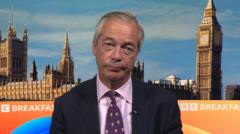
When confronted on live radio, the explanations shifted like sand. First, the defense was physical survival. The money, the public was told, was a shield. A response to the modern hostility of the campaign trail, designed to ensure personal protection for the rest of a high-profile life. It was an argument built on genuine fear, a reminder that the price of modern political fame can be measured in threats and thrown milkshakes.
But within weeks, the narrative evolved. Under pressure from broadcast journalists, the shield became a trophy. The billionaire's bounty was re-characterized as a retroactive reward—a financial handshake for a quarter-century of political agitation that culminated in Brexit. Defiance replaced explanation. "What's it got to do with you?" came the sharp retort across the airwaves. "I can spend it on Ferraris if I want. I can put it on the horses."
This pivot cuts to the core of the problem. If a massive financial transfer is purely private, a personal gift between wealthy acquaintances, it evades the strict transparency laws designed to protect democratic processes. But if it is a reward for services rendered, or a resource that frees a politician to wage an expensive electoral campaign, it is undeniably public business.
Consider a hypothetical analogy: an elite athlete receives a multimillion-pound "unconditional gift" from a prominent sports betting mogul just days before entering a major championship tournament. The athlete insists the money is merely a token of friendship, a reward for their past contribution to the sport, completely separate from the upcoming game. Even if their integrity is flawless, the spectators in the stands will always watch every play with a lingering, corrosive doubt.
The true cost of secret political wealth is never the money itself. It is the steady erosion of the benefit of the doubt. When a political movement builds its identity on representing the forgotten worker against a detached global elite, the revelation of a hidden five-million-pound benefactor creates a profound dissonance. The public is left to decipher whether they are watching a genuine crusade or a beautifully orchestrated performance funded from afar.
Democracy relies on a simple, fragile ledger: one person, one vote, and total clarity about who pays the bills. When millions move in the shadows, the numbers change, the transparency vanishes, and the ordinary voter is left holding a ticket to a game where the rules have already been rewritten.


