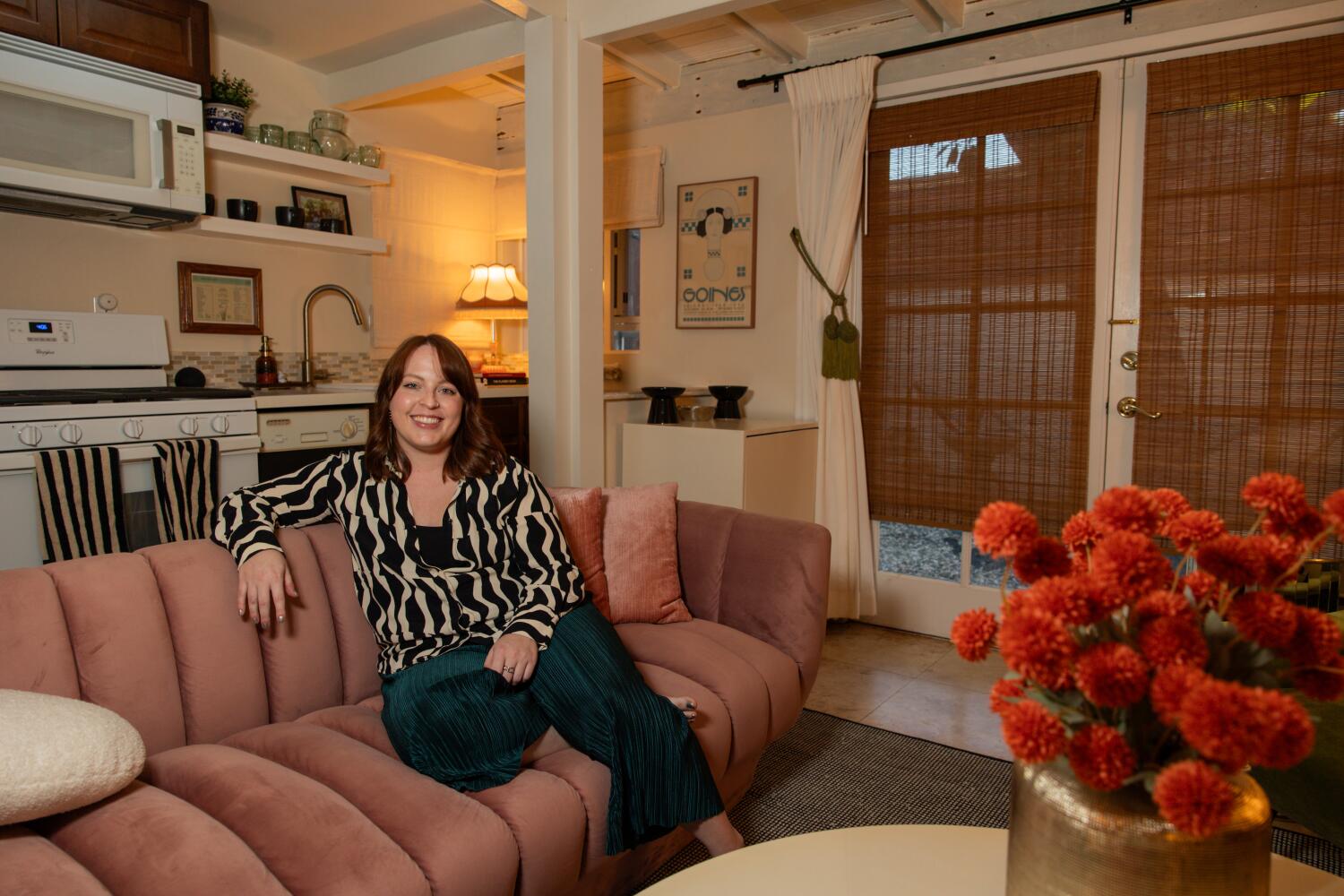
Achieving a high-status interior within a $2,000 budget in a premium real estate market like Beverly Hills requires a shift from consumer-driven purchasing to a logistical framework of spatial allocation and visual weight management. Most renters fail because they view a budget as a total sum rather than a series of targeted investments designed to manipulate the eye's perception of "luxury." In high-value zip codes, the architecture often provides the "bones," but the internal "skin"—the furniture, lighting, and textiles—determines the actual utility and social signaling of the space. Success depends on the aggressive prioritization of high-impact surfaces over low-utility decorative objects.
The Optimization Framework: Three Pillars of Renter Value
A $2,000 budget is objectively thin for a standard one-bedroom or studio apartment in a luxury tier. To make this capital effective, the strategy must focus on three distinct areas that yield the highest return on investment (ROI) for psychological comfort and guest perception.
- Volumetric Dominance: Identifying the largest physical objects in the room (the sofa, the bed, the rug) and ensuring they possess "clean" geometric lines.
- Tactile Contrast: Mixing inexpensive hard surfaces with high-quality textiles to simulate a multi-layered, curated environment.
- Luminance Control: Overriding standard overhead lighting with a three-point lighting system to create depth and hide imperfections in lower-cost materials.
The Cost Function of Furnishing a Luxury Rental
The primary bottleneck for the Beverly Hills renter is the "Luxury Surcharge" of local retail. A strategic approach bypasses primary markets in favor of secondary and tertiary sourcing where the markup is decoupled from the brand name. The allocation of the $2,000 budget follows a strict hierarchy of permanence and visual real estate:
- Primary Seating (35% of Budget - $700): The sofa is the anchor of the living area. In a constrained budget, neutrality is a prerequisite. A mid-century silhouette in a grey or beige performance fabric provides a canvas that can be elevated with accessories.
- Floor Foundations (15% of Budget - $300): Large-scale rugs define "zones" in an open-concept layout. A common mistake is buying a rug that is too small, which physically shrinks the room. A 9x12 jute or sisal rug provides texture and scale at a fraction of the cost of wool.
- Surface Layering (20% of Budget - $400): Coffee tables and side tables should be sourced from secondary markets (Facebook Marketplace, estate sales). The goal here is material diversity—glass, stone, or metal—to break up the monotony of fabric and wood.
- Luminance and Atmosphere (15% of Budget - $300): High-end spaces are characterized by warm, low-level light. Two floor lamps and two table lamps with 2700K bulbs create a "luxury" glow that masks the texture of cheaper furniture.
- Textiles and Art (15% of Budget - $300): This is where the budget is most often wasted on "clutter." A single large-scale canvas or a pair of oversized linen pillows conveys more value than twenty small trinkets.
Structural Logic: Why "Neutral" Wins in High-Value Rentals
Beverly Hills rentals often feature high-quality finishes such as crown molding, hardwood floors, or marble countertops. The $2,000 budget must work with these assets, not compete with them. Introducing bold patterns or eccentric colors on a budget usually results in a "cheap" aesthetic because low-cost dyes and prints lack the depth of high-end counterparts.
By utilizing a monochromatic or "tonal" palette, the renter leverages a design principle known as the Halo Effect. When the dominant colors of the apartment are harmonious, the human brain tends to overlook individual inexpensive items and instead perceives the entire room as a cohesive, high-value unit. This creates a psychological buffer; the viewer assumes the furniture is as expensive as the zip code.
The Mechanical Advantage of "Second-Hand" Arbitrage
The most effective way to stretch a $2,000 budget in a wealthy area is to exploit the high turnover of luxury goods nearby. The "Beverly Hills Arbitrage" involves sourcing items from individuals who are moving or redecorating and need to liquidate high-end furniture quickly.
- Brand Recognition: Focus on "entry-level luxury" brands (West Elm, CB2, Restoration Hardware) in the second-hand market. These items have high resale value and a recognizable design language.
- Material Inspection: Avoid particle board. Focus on solid wood, tempered glass, and metal. These materials can be cleaned, polished, or painted, whereas damaged laminate is a total loss.
- Logistical Efficiency: The cost of moving furniture can eat 20% of the budget. Renting a van for a single day to pick up five pre-purchased items is more efficient than paying individual delivery fees.
Psychological Zoning: Creating the "Dream Space" Identity
The "renter's dream" is often defined by the ability to entertain. In a small space, this requires the creation of distinct functional zones. Without physical walls, these zones must be established through visual cues:
- The Entryway Threshold: A small console table or a mirror near the door signals a transition from the public hallway to the private sanctuary.
- The Work-Life Boundary: Using a rug or a tall plant to separate a desk from the sleeping or living area prevents the apartment from feeling like a single, cluttered room.
- The "Vignette" Strategy: Concentrating high-quality items in small, highly visible clusters (e.g., a well-styled bar cart or a curated bookshelf) draws the eye toward "moments" of luxury and away from the basic utilitarian areas.
Constraints and Failure Points
This strategy is not without risks. The primary failure point is the "Impulse Buy." A $2,000 budget has zero margin for error. Each item must serve a specific function within the pre-defined framework.
- Maintenance Debt: Low-cost white fabrics or cheap rugs require higher maintenance to stay looking "new."
- Scale Mismatch: Buying furniture without measuring the space is the fastest way to ruin a layout. In a Beverly Hills apartment, space is the ultimate luxury; over-furnishing destroys the perceived value of the square footage.
- The "Temporary" Trap: Buying "placeholder" furniture that you intend to replace in six months is a sunk cost. It is better to have an empty corner than a cheap item that brings down the average quality of the room.
Strategic Execution: The 30-Day Rollout
To transform a rental on this budget, the execution must be phased to ensure the primary anchors are secured before the capital is exhausted on minor details.
Phase 1: The Anchor Phase (Days 1-7)
Secure the sofa and the rug. These two items cover the largest percentage of the floor and wall plane. Once these are in place, the scale of all other items becomes clear.
Phase 2: The Lighting and Layout Phase (Days 8-15)
Install the three-point lighting system. Evaluate the natural light at different times of the day. Adjust the placement of the anchors to maximize the flow of the room.
Phase 3: The Sourcing Phase (Days 16-25)
Aggressively hunt for the secondary pieces (tables, chairs, art). This is the time to be patient and wait for the right "arbitrage" opportunities on marketplace platforms.
Phase 4: The Refinement Phase (Days 26-30)
Add the tactile layers—pillows, throws, and plants. These are the "finishing touches" that soften the hard edges of the budget furniture and provide the "lived-in" luxury feel.
The final strategic move is to invest $50 in professional-grade cleaning supplies and a handheld steamer. The difference between a $500 sofa and a $5,000 sofa is often just the crispness of the fabric and the lack of wrinkles. By maintaining an obsessive level of cleanliness and "crisp" lines, the renter maintains the illusion of a high-capital environment. This is not about decorating; it is about the disciplined management of visual assets within a fixed-cost structure.
To maximize the impact of your $2,000, begin by sketching your floor plan and identifying the "dead zones" where lighting can be used to create depth. Focus your first $1,000 exclusively on the two largest pieces of furniture, as they will dictate the success of the entire project.