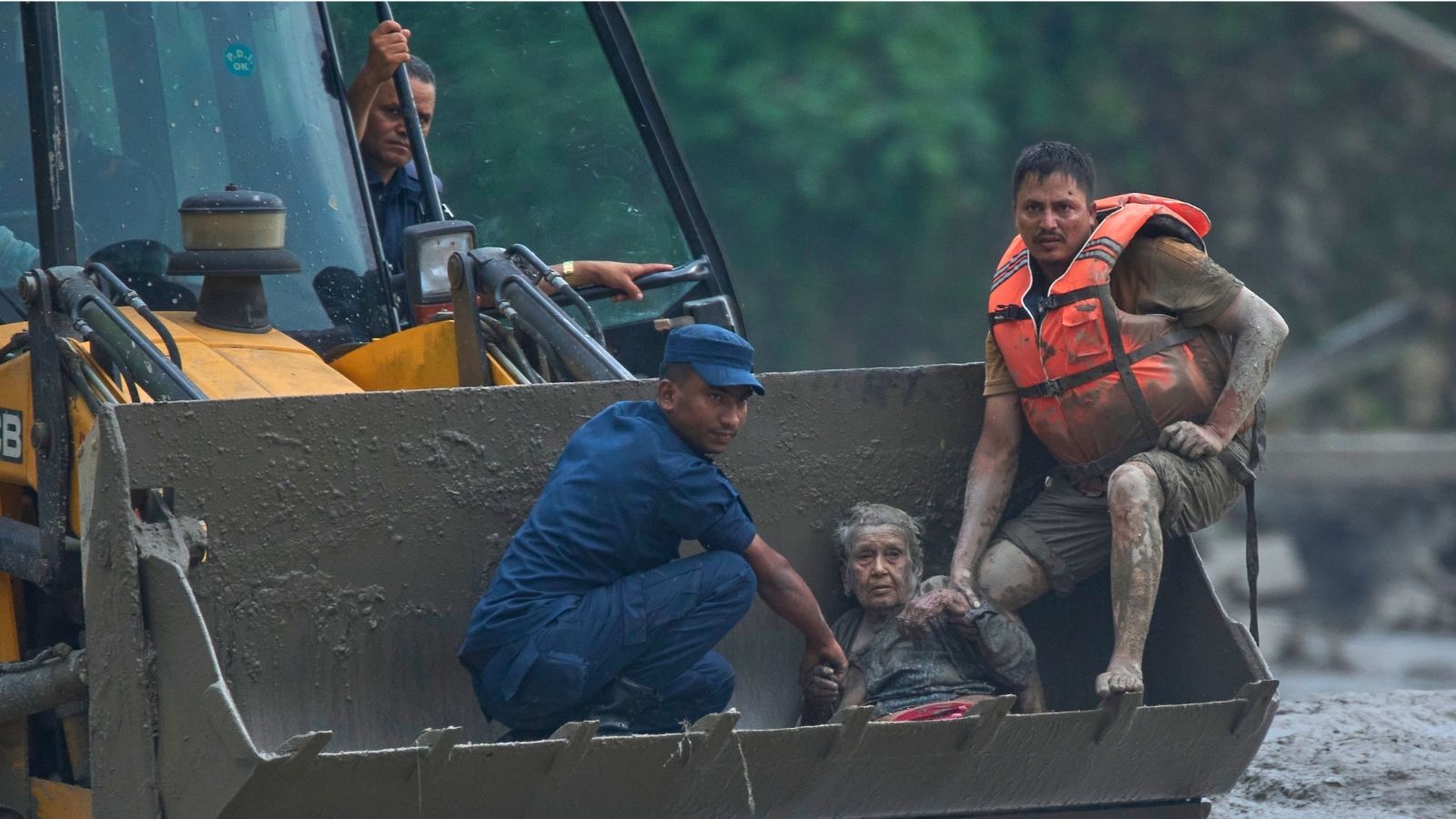
Ice doesn't just melt quietly anymore. Sometimes, it shatters. When a massive glacier collapse strikes high mountain passes, entire valleys vanish in minutes.
You've probably seen the headlines about catastrophic floods and missing villages near the border regions of Nepal and Tibet. They talk about freak weather. They blame climate change in broad, sweeping strokes. But they miss the mechanics of the disaster. They miss how geography, warming temperatures, and sudden structural failures combine into an unstoppable wall of mud, rock, and water.
Let's look at what actually happens when high-altitude ice gives way.
The Physics of a Mountain Catastrophe
Mountain glaciers aren't static blocks of frozen water. They are rivers of ice under immense pressure, clinging to steep rock faces. As global temperatures climb, the permafrost holding these frozen masses to the bedrock thaws. Water infiltrates internal crevasses. Hydraulic pressure builds up behind the ice front.
Then comes the breaking point.
When a glacier collapse occurs, thousands of tons of ice and debris plunge thousands of feet down narrow gorges. This creates a debris flow. It's not just water. It's a slurry of boulders, shattered ice, and pulverized rock that acts like a concrete mixer rolling down a slope at highway speeds.
Downstream communities have seconds to react. Warning systems help, but when a glacial lake outburst flood or a direct ice avalanche happens without a visible glacial lake upstream, sensors fail. Traditional flood models don't account for massive chunks of mountain detritus blocking narrow river channels temporarily, creating makeshift dams that eventually burst with exponentially greater force.
Why Nepal and Tibet Bear the Brunt
High-altitude regions in the Himalayas are warming at rates well above the global average. This isn't a secret. Climatologists from institutions like the International Centre for Integrated Mountain Development have warned about receding Himalayan glaciers for decades.
Yet, infrastructure development keeps pushing higher into vulnerable valleys. Hydropower projects, roads, and settlements crowd narrow river corridors.
When disaster strikes these remote areas, rescue operations turn into logistical nightmares. Helicopters can't fly through blinding dust and debris-choked air. Bridges wash out before relief teams leave district headquarters. Communication lines snap instantly.
We tend to treat these events as isolated natural disasters. They aren't. They are chronic systemic failures of risk management in fragile mountain ecosystems.
Moving Past Reactive Relief
If you want to understand how to survive the next wave of high-altitude crises, you have to look beyond emergency response. Throwing money at post-disaster reconstruction doesn't fix the underlying hazard.
Governments need to stop building permanent infrastructure in high-risk deposition zones. Remote sensing technology exists to map unstable slopes and bulging ice masses before they fail. Radar interferometry and satellite monitoring can track slope movement down to the millimeter.
We need to listen to local communities who notice subtle changes in water temperature, sediment load, and strange cracking sounds echoing off high ridges long before a catastrophic failure occurs.
Pay attention to the warning signs written across the peaks. The ice is talking. We just need to stop ignoring what it says.