You haven't truly experienced urban grit until you've watched a customer calmly finish a bowl of steaming pho while brown tidal water laps at the ankles of their plastic stool. In Ho Chi Minh City, regular inundation isn't a rare disaster movie scenario. It's Tuesday.
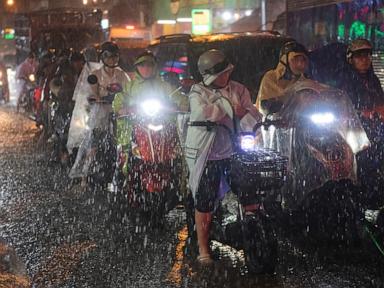
When high tides on the Saigon River collide with heavy monsoon downpours, streets turn into sluggish canals within minutes. Motorbikers plow through knee-deep wakes, shop owners slide heavy aluminum barriers into doorframes, and street vendors keep flipping their pork chops on raised burners. Locals have mastered the art of living with water. But beneath the resilient attitude, the math is turning ugly. Climate change is rewriting the baseline, and the financial hub of Vietnam is running out of time.
The Triple Threat Hitting Vietnam's Commercial Engine
Most casual observers blame global sea level rise when they see footage of flooded intersections in District 7 or Binh Thanh. Sea level rise is real, creeping upward by millimeters each year. Yet focusing solely on melting ice caps misses the two local amplifiers that are actually breaking the city: rapid urbanization and severe land subsidence.
Think of Ho Chi Minh City as a giant sponge that's being squeezed from both sides.
- The Sinking Ground: Decades of aggressive groundwater extraction to feed a booming population and expanding industrial base have hollowed out the aquifers underneath. Parts of the city are sinking by several centimeters annually—vastly outpacing the rising tides.
- Concrete Carpets: As asphalt and high-rises replace natural wetlands, permeable soil vanishes. Rain has nowhere to soak in, turning minor showers into flash floods.
- Tidal Compression: High tides driven by regional weather patterns now push higher and reach further inland than they did twenty years ago.
When these three forces merge, drainage systems built for an older, smaller era choke instantly. Water doesn't just flow in; it stays trapped for hours, slowly receding long after the rain stops.
How Residents Adapt Every Single Day
If you walk down low-lying corridors like Pham Huu Lau Street during a peak tide, you won't see mass panic. You'll see everyday engineering born from necessity.
Homeowners like 63-year-old residents who have spent decades in the neighborhood don't wait for municipal bailouts. They jack up their living room floors by half a meter using concrete and steel. Small business operators build miniature flood walls at storefront entrances. Street food vendors elevate their carts on stacked crates.
It’s an impressive display of human endurance, but it's exhausting. Every flood cycle destroys low-grade electronics, ruins wooden furniture, and forces small businesses to halt operations for hours. The economic friction is piling up, threatening Vietnam's broader ambition of vaulting into high-income status.
Moving Toward a Sponge City Model
Recognizing that building higher concrete dikes isn't working, urban planners are shifting strategies. Lawmakers and municipal leaders have begun pushing toward a "sponge city" framework.
The concept is straightforward. Instead of trying to channel every drop of water away through overloaded concrete pipes, the city needs room to absorb it. That means protecting remaining urban wetlands, expanding retention ponds, and introducing smart zoning rules that stop developers from paving over natural drainage basins.
It requires a massive mental shift. For decades, urban growth in Southeast Asia meant conquering nature—filling swamps, straightening rivers, and paving over mud. Surviving the coming decades means working with the water instead of fighting a losing battle against it.
If you're visiting or doing business in Vietnam's southern powerhouse, don't expect the floods to disappear tomorrow. The water will keep coming back. The real question is whether the infrastructure can adapt faster than the ground keeps sinking. Check local tide tables before planning cross-town transit during the rainy season, and support neighborhood businesses that are figuring out how to stay afloat in a changing world.