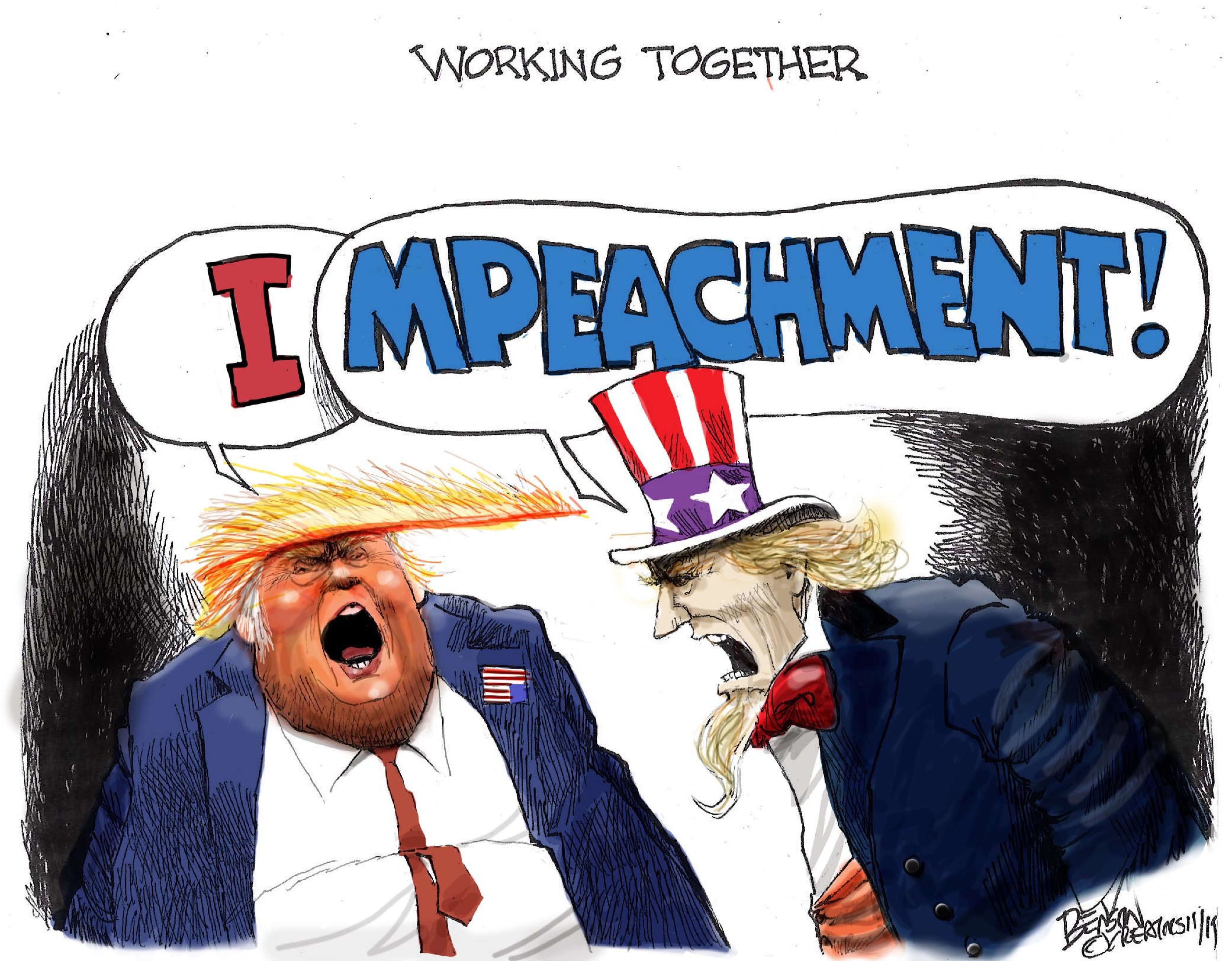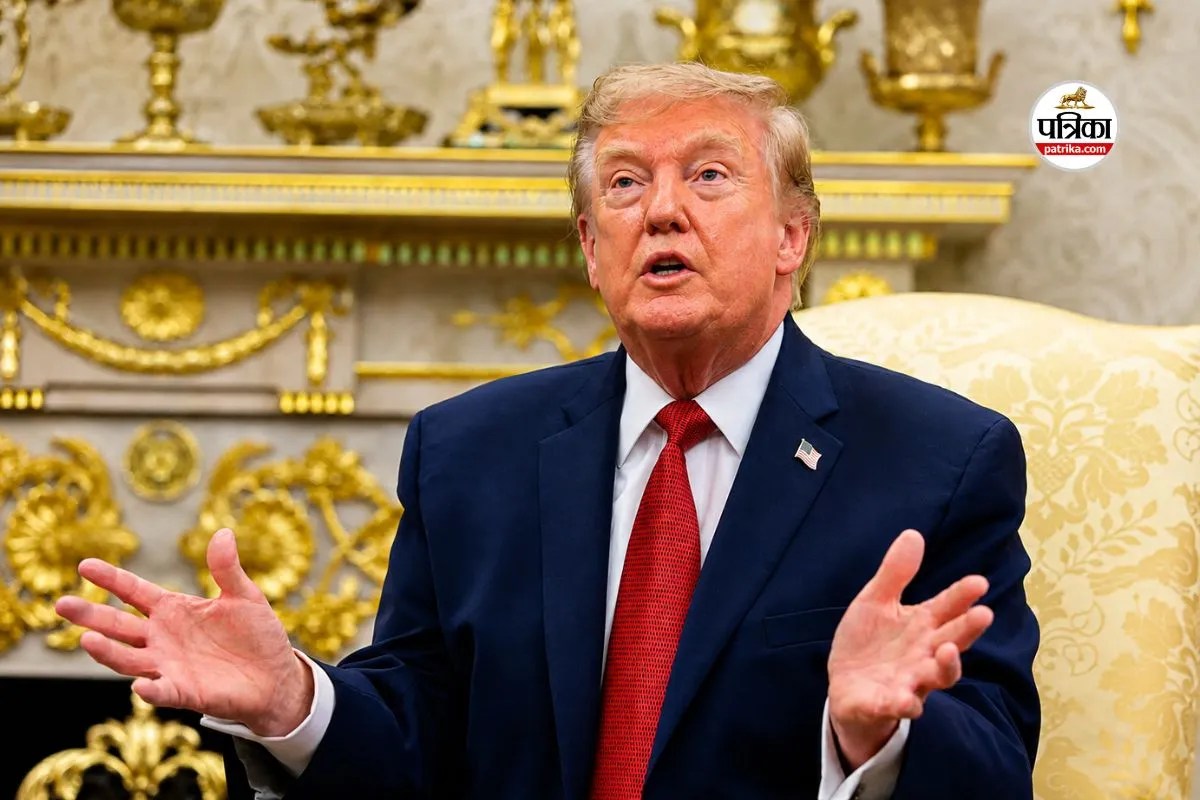
The foundation of Western security is shifting beneath our feet. For decades, the presence of American military installations across Europe served as the ultimate guarantor of stability. Today, that arrangement is transforming into a site of intense friction, fueled by the confrontational foreign policy of the current administration. As the White House prioritizes a transactional approach to international relations, the very bases that once tethered the continent to Washington have become symbols of deep-seated geopolitical anxiety.
The core of this crisis lies in a fundamental misalignment of expectations. Washington views these installations through the lens of burden-sharing and financial leverage, often treating long-standing defense agreements as overdue invoices. European partners, conversely, have spent years relying on the American security umbrella to maintain their own domestic priorities. When the United States threatens to scale back or reposition its forces, it is not merely a logistical adjustment. It is a psychological breach that forces European capitals to confront a reality they have long avoided: the necessity of independent, credible, and autonomous defense capabilities. In other updates, read about: The Map That Vanished Before Our Eyes.
This is not a sudden development. It is the culmination of years of diplomatic attrition. The administration’s demands for increased defense spending—often punctuated by the threat of troop withdrawals—have created a climate of uncertainty that permeates the halls of power in Berlin, Paris, and Brussels. While the goal of incentivizing European rearmament is defensible in the abstract, the execution has been erratic. The repeated cycles of announced drawdowns followed by internal reversals within the Pentagon have left allies questioning the consistency of American commitment.
The strategic risk is profound. If the United States continues to treat its European footprint as a bargaining chip rather than a strategic asset, the predictable result is not necessarily a stronger, more capable Europe. Instead, we risk the creation of a geopolitical vacuum. If European nations feel they can no longer rely on the continuity of American policy, they may begin to seek alternative security arrangements or, worse, attempt to appease external adversaries to manage their own vulnerabilities. The deterrent value of a U.S. base rests entirely on the adversary’s belief that the host nation and the United States remain fundamentally aligned in their defensive resolve. When that alignment is publicly and repeatedly questioned by senior leadership, the deterrent itself begins to degrade. The Guardian has analyzed this critical topic in extensive detail.
Consider the hypothetical scenario where a host nation decides that the political cost of hosting an American force outweighs the security benefits. This would not be a victory for "America First" efficiency; it would be a strategic catastrophe. It would limit the reach of American power in the Middle East and the Caucasus, regions where European bases serve as critical launchpads and logistical hubs. The notion that the United States can simply project power from the homeland or shift its focus entirely to other theaters ignores the geographic reality of power projection. Without the regional infrastructure to support persistent operations, American influence in the Eastern Mediterranean and the Arctic would evaporate overnight.
There is also the matter of economic entanglement. The relationship between the United States and Europe is not solely defined by the movement of tanks and fighter jets. It is a dense, high-stakes web of foreign direct investment, shared supply chains, and interdependent trade. When political tensions bleed into the security architecture, they inevitably corrode these economic ties. The administration’s focus on tariffs and trade shakedowns has already signaled a willingness to prioritize short-term domestic wins over long-term strategic stability. By treating security and economics as competing interests, Washington is inadvertently encouraging a more fragmented and less reliable international order.
The internal debate within the current administration reflects these contradictions. On one side, those prioritizing the contest with China argue that Europe is a secondary theater, a luxury of a bygone era that we can no longer afford to subsidize. On the other, traditionalists recognize that the loss of European stability would inevitably require more, not fewer, resources to manage. They understand that a stable Europe allows the United States to focus its attention elsewhere. If that stability collapses, the U.S. will be pulled back into the continent with far less influence and much higher costs than it currently faces.
The danger, therefore, is not just that the United States might leave. The danger is that the current approach is hollowing out the alliance from within. When trust is replaced by transactional demands, the machinery of collective security stalls. The question is no longer whether Europe can defend itself, but whether the United States still wants a partner or merely a client. If the answer continues to lean toward the latter, the eventual dissolution of the current security architecture will not be a managed withdrawal but a chaotic unraveling.
The path ahead requires a hard-headed reassessment of what these bases actually provide. They are not simply tools to pressure allies into buying more hardware. They are the physical manifestation of a shared political order. When that order is treated as disposable, the physical assets themselves become liabilities. Unless there is a pivot toward a more predictable and strategic engagement, the infrastructure of the transatlantic alliance will continue to crumble, leaving both sides of the ocean more vulnerable than they were before the grand restructuring began.
The reality of shifting US-European relations
This video provides essential context on the deteriorating relationship between the Trump administration and its European partners, illustrating the tensions that are driving the current uncertainty surrounding U.S. military presence on the continent.