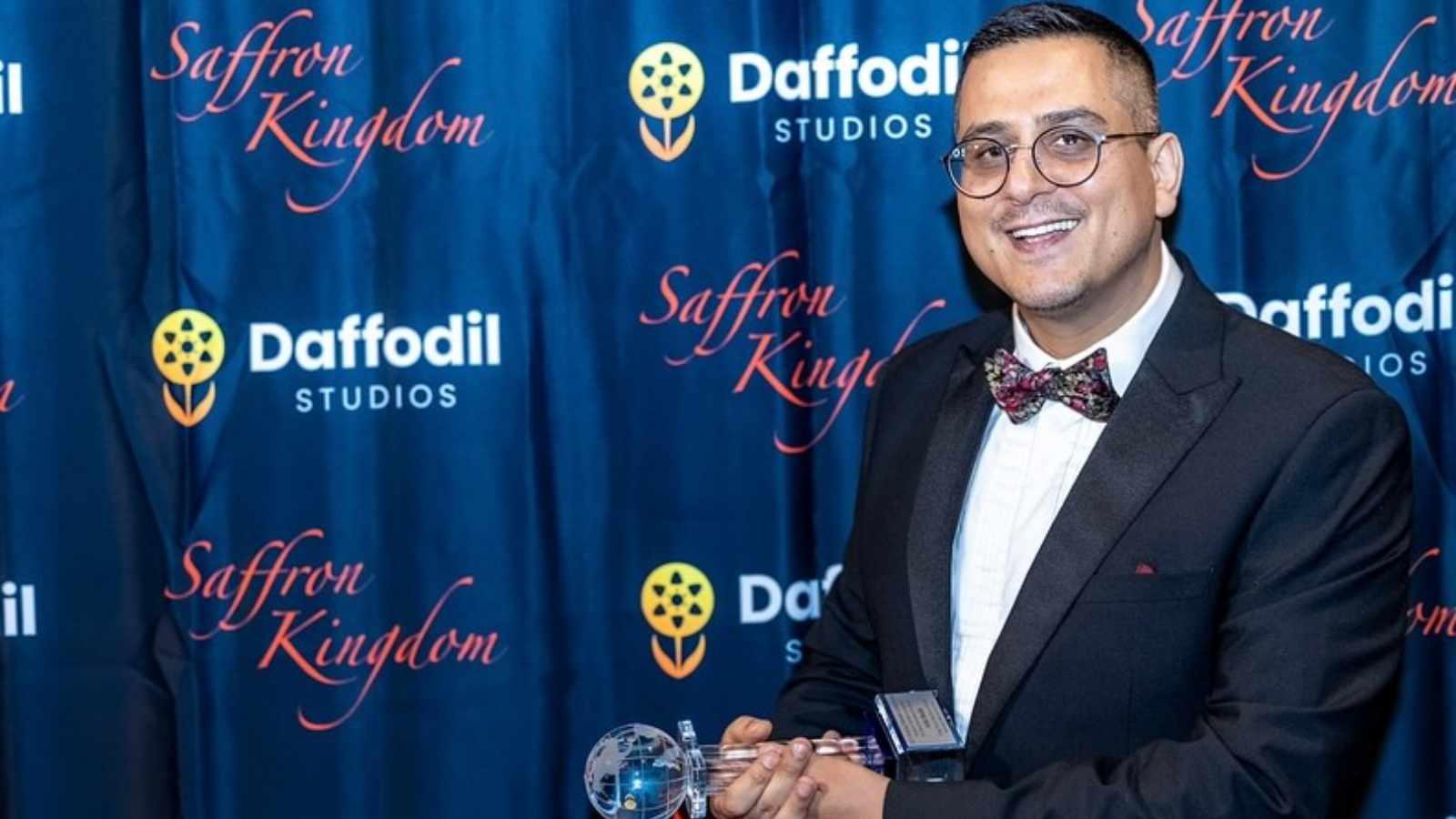
Every time an independent artist or foreign filmmaker gets caught in the bureaucratic meat-grinder of state enforcement, the cultural commentariat does the exact same dance. They rush to frame the incident as a grand clash between artistic truth and totalitarian repression. When Kashmiri filmmaker Arfat Sheikh was intercepted and detained by immigration enforcement at Dulles Airport while traveling to an event titled Art as Resistance, the predictable outrage machine whirred into motion. Headlines screamed about silenced voices, chilling effects, and the war on culture.
Stop buying the script.
The lazy consensus treats these events as anomalous tragedies happening to passive victims of political theater. It assumes that because someone holds a camera and tells a compelling story about displacement or state violence, they exist entirely outside the mundane, teeth-grinding machinery of administrative law. That is not just naive; it is a dangerous misdiagnosis of how modern borders operate and how artists interact with them.
Let us look at the mechanics. When creative workers navigate international transit with pending or precarious visa statuses, they are playing poker with a house that never blurs lines for aesthetics. Bureaucracy does not care about your festival laurels, your indie distribution deal, or your poignant documentary about geopolitical trauma. To an immigration enforcement database, an award-winning director with an irregular paperwork trail is mathematically identical to anyone else caught in the backlog. Pretending otherwise—pretending that a jetway detention is a targeted literary assassination rather than a cold, systemic failure of immigration infrastructure—robs the situation of any real analytical value.
We love to romanticize the phrase art as resistance. It sounds heroic on a panel flyer or a festival program. But when artists rely on that romanticism as a shield against municipal and federal compliance, they are building castles out of smoke. Resistance implies a deliberate confrontation with power structures based on ideological defiance. Administrative overstays, tangled visa transitions, and missed compliance filings are not acts of civil disobedience. They are clerical errors. Conflating the two does a massive disservice to actual dissidents who choose to put their liberty on the line for political change.
Look closer at the commercial ecosystem surrounding these activist-artists. Every time a creator is detained, a crowdfunding campaign goes live within hours. Press releases flood independent media networks. Distribution buzz spikes for projects that might otherwise have struggled for eyeballs in a saturated streaming market. I have watched independent production houses blow millions on crisis PR while ignoring basic legal hygiene, treating compliance departments like an afterthought until the handcuffs come out.
There is a profound irony here. The artistic community demands that governments respect the complexity, nuance, and humanity of human migration and political asylum. Yet, when administrative agencies apply rigid, unfeeling, automated rules to those exact same individuals, the community acts shocked that the system lacks nuance. You cannot demand that borders be treated as arbitrary lines on a map while simultaneously expecting border agents to make empathetic, case-by-case exemptions for people carrying festival badges.
If we want to protect independent storytellers from state overreach, we have to stop treating their legal vulnerabilities as marketing opportunities or romantic martyrdom. The solution is not another high-minded panel discussion on the sanctity of creative expression. The solution is boring, unsexy, rigorous operational competence. Hire better immigration lawyers. Audit your paperwork before you book the domestic flight to Washington. Recognize that the state does not evaluate your artistic merit before it evaluates your paperwork.
Until the cultural sector stops trading administrative discipline for narrative victimhood, artists will keep walking straight into traps of their own making—and wondering why the machine didn't pause to watch their movie.