The High Price of Playing Follow the Leader
Seoul is flirting with a disaster it doesn't understand. The defense ministry's chatter about a "phased role" in the Strait of Hormuz isn't strategic brilliance. It is a desperate attempt to satisfy a Washington security check that South Korea can no longer afford to cash. For decades, the Blue House has operated under the assumption that being a "good ally" means showing up to every maritime sandbox the U.S. points to.
That era is over. Read more on a similar issue: this related article.
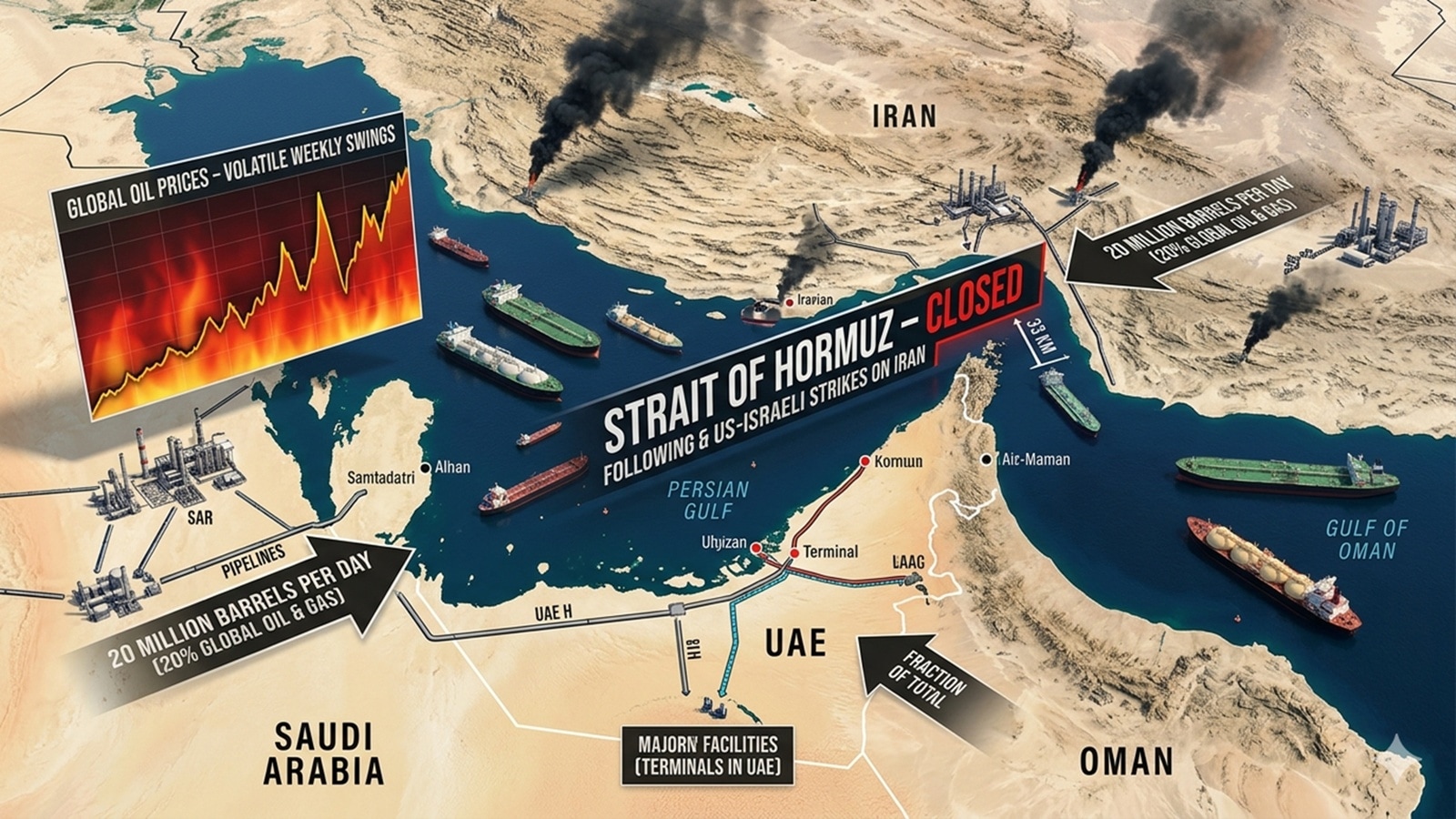
The conventional wisdom suggests that because 70% of South Korea’s oil flows through those narrow waters, Seoul must send destroyers to protect the tap. This logic is shallow. It ignores the reality of modern asymmetrical warfare and the specific geopolitical trap being set for middle powers. By entertaining a naval deployment to the Middle East, South Korea isn't securing its energy future; it is painting a massive bullseye on its own merchant fleet.
Diplomacy is Not a Military Exercise
The "phased role" being discussed is a classic bureaucratic compromise. It starts with an "independent" deployment of the Cheonghae Unit—already stationed in the Gulf of Aden—to avoid the political baggage of joining a U.S.-led coalition. This is a distinction without a difference. Additional journalism by USA Today highlights related views on this issue.
In the eyes of Tehran, there is no such thing as a "phased" or "independent" South Korean presence in the Strait of Hormuz if it aligns with American objectives. You are either in the water or you are out. Attempting to play the middle ground by rebranding a military presence as a "sovereign protection mission" is a level of naivety that gets sailors killed.
I have seen policy circles in Seoul treat these deployments like diplomatic trading cards. They think a destroyer in the Strait buys them leverage on the Korean Peninsula. It doesn't. Washington views these contributions as the baseline, not a bonus. Meanwhile, Tehran views them as a betrayal of a long-standing economic partnership.
The Oil Fallacy
Let’s dismantle the biggest lie: that naval presence equals energy security.
If Iran decides to choke the Strait of Hormuz, a single South Korean KDX-II destroyer is not going to stop them. The Strait is 21 miles wide at its narrowest point. It is cluttered, chaotic, and perfectly suited for Iran's "swarm" tactics of fast-attack craft and coastal missile batteries.
Imagine a scenario where a South Korean vessel is forced to fire on an Iranian speedway to protect a tanker. The moment that trigger is pulled, South Korea ceases to be a neutral economic player and becomes a belligerent. The resulting spike in insurance premiums for Korean-flagged vessels would do more damage to the economy than a temporary supply disruption ever could.
The true way to secure energy isn't through hulls in the water. It’s through strategic reserves and source diversification. South Korea has one of the largest strategic petroleum reserves (SPR) in the world, capable of sustaining the country for over 90 days without a single drop from the Middle East. Why are we risking a hot war when we have a 90-day buffer to find a diplomatic solution?
The Cost of Miscalculating Washington
The U.S. is currently pivot-heavy. They want "burden-sharing," which is code for "you pay for the headache we started."
By entertaining this mission, Seoul is signaling that it is willing to subvert its own national interests to satisfy an American administration that changes its mind every four years. We saw this play out with the THAAD deployment. Seoul took the economic beating from China while Washington offered nothing but "thoughts and prayers."
The defense minister might think he is being "phased" and "prudent." In reality, he is walking into a trap where South Korea pays the bill for a conflict it has no hope of resolving. The "phased" approach is a slow-motion car crash.
- Phase One: Information sharing. (Meaning: Seoul gives the U.S. intelligence it already has).
- Phase Two: Expanding the operational area. (Meaning: Putting Korean sailors in range of Iranian missiles).
- Phase Three: Direct engagement. (Meaning: The end of South Korea’s energy relationship with the Middle East).
Security is Not a Spectator Sport
The "People Also Ask" crowd wants to know: "Will South Korea's involvement stabilize the region?"
The answer is a hard no. It destabilizes South Korea’s specific position. South Korea has spent decades building a reputation as a non-interventionist trading partner. That is a massive competitive advantage. Throwing that away to act as a junior partner in a maritime police force is a strategic downgrade.
We should be doubling down on our status as a neutral broker. Instead of sending ships, we should be the ones hosting the talks. You can't be the mediator if you're also the guy holding the rifle on the front line.
The Real Threat is Not in the Strait
While the defense ministry stares at the Middle East, the real security threats are festering in our own backyard. Every won spent idling a destroyer in the Persian Gulf is a won that isn't being spent on the increasing volatility of the East Sea or the modernization of our drone defense systems against Pyongyang.
The Navy is already stretched thin. Recruitment is down. Maintenance cycles are lagging. To send our elite units halfway across the globe for a symbolic gesture of "alliance solidarity" is an insult to the men and women serving.
The most "pro-alliance" move South Korea can make is to remain strong and focused on the Indo-Pacific. A weakened South Korea, embroiled in a Middle Eastern skirmish, serves no one—not even the U.S.
Stop Asking Permission to Have a National Interest
The fundamental flaw in the current discourse is the assumption that Seoul needs to justify its hesitation. We don't.
Protecting our own ships is a sovereign right, but "protecting the Strait" is a global responsibility that South Korea did not sign up for. If the international community wants the Strait open, let the UN lead a mission. Until then, South Korea should focus on its own shores.
The risks are clear:
- Immediate collapse of diplomatic ties with Iran.
- Retaliatory seizures of Korean tankers.
- Increased vulnerability to North Korean provocations while the fleet is divided.
- Massive economic blowback if maritime transit is militarized.
The "phased" strategy isn't a strategy. It's a surrender of common sense to the altar of alliance optics. It is time to stop playing the junior partner and start acting like the global power we claim to be.
If the defense ministry wants to show strength, it should show the strength to say "no." Anything else is just a expensive way to get bullied.
South Korea needs to stop looking for a way to join the mission and start looking for a way to lead a neutral energy coalition that doesn't involve warships. The era of blind maritime loyalty is dead. Leave the destroyers at home.