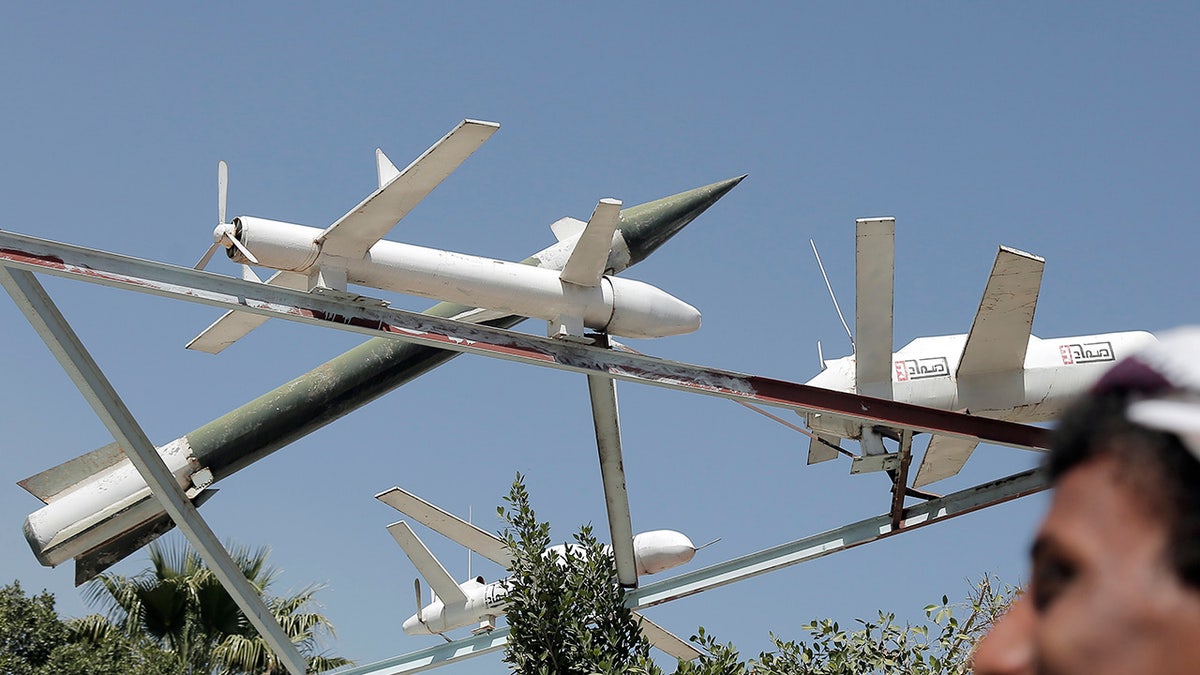
Air defense systems rarely capture global attention until a target carries immense symbolic weight. When the Saudi-led coalition intercepted an armed explosive-laden drone targeting Mecca, the conflict shifted from a localized regional skirmish to a profound ideological confrontation. You're looking at an escalation that goes far beyond military strategy. It touches the nerves of over a billion people worldwide who view the holy city as a spiritual anchor.
Most international reporting treats these interceptions as routine operational updates. That is a massive mistake. Directing projectiles toward the birthplace of Islam isn't just a tactical maneuver. It's a calculated psychological strike designed to provoke, destabilize, and shatter any remaining diplomatic guardrails in the Arabian Peninsula. For an alternative view, consider: this related article.
Understanding The Strategic Weight Of The Holy Site
Mecca isn't just another urban center on a map. It serves as the spiritual epicenter for Muslims across the globe, drawing millions of pilgrims annually regardless of ongoing geopolitical friction. When Houthi forces launch aerial assets toward this specific geographic coordinate, they aren't aiming at standard military infrastructure. They're targeting the emotional and religious focal point of an entire faith.
Military planners in Riyadh and coalition headquarters face a nightmare scenario. Defending a sprawling desert perimeter against low-flying, pre-programmed unmanned aerial vehicles requires near-flawless execution every single time. The attackers only need one lucky break to cause catastrophic damage to heritage sites, civilian populations, and global stability. Similar coverage on the subject has been shared by Al Jazeera.
Past incidents highlight the persistent nature of these aerial threats. The Saudi-led coalition has repeatedly reported intercepting ballistic missiles and drone swarms launched from Yemeni territory controlled by Houthi factions. Analysts tracking the conflict note a steady technological upgrade in these systems, shifting from crude improvised devices to sophisticated loitering munitions bearing strong design similarities to foreign-supplied components.
The Technological Reality Of Countering Low Altitude Drones
Intercepting a modern attack drone isn't like shooting down a commercial airliner or a traditional ballistic missile. These aircraft fly low, hug terrain contours, and maintain a minimal radar cross-section. Traditional surface-to-air missile batteries often struggle to lock onto targets that resemble large model airplanes flying at rooftop heights.
Saudi Arabia relies heavily on advanced integrated air defense architectures, including Patriot missile systems and specialized electronic warfare countermeasures. Yet, firing a multi-million-dollar interceptor missile at a drone built from off-the-shelf commercial components creates an unsustainable economic imbalance. Defenders spend a fortune to neutralize a threat costing mere thousands to manufacture.
This financial and logistical asymmetry explains why military technology is shifting rapidly toward directed energy weapons, specialized electronic jamming, and cost-effective kinetic interceptors. Protecting sacred airspace requires upgrading detection grids to catch small composite-body drones before they cross mountainous terrain borders.
Regional Implications And Diplomatic Fallout
Every time an aerial threat nears western Saudi Arabia, the ripple effects hit global oil markets, diplomatic channels, and peace talks. Riyadh views the defense of its holy sites as a non-negotiable red line. Cross-border attacks invite swift retaliatory air strikes, making a permanent ceasefire extremely difficult to negotiate.
International bodies like the United Nations consistently condemn these attacks, pointing out violations of international humanitarian law. Yet, statements and resolutions rarely stop operators on the ground. Iran's alleged material and technical support for Houthi drone capabilities remains a central point of contention in every diplomatic briefing. Tehran routinely denies direct command and control over these specific launches, but intelligence assessments from Western and Gulf agencies point to supply chains running through regional ports.
If you want to understand why peace agreements in Yemen repeatedly collapse, look right here. Security guarantees for holy shrines cannot be separated from political settlements. As long as militant groups possess long-range strike assets capable of reaching the Hejaz region, regional defense postures will remain on a permanent war footing.
Protecting millions of worshippers requires continuous vigilance, advanced sensor deployment, and unyielding deterrence. The margin for error is zero. When the next drone clears the horizon, the entire region holds its breath, knowing that a single missed intercept could rewrite modern history.