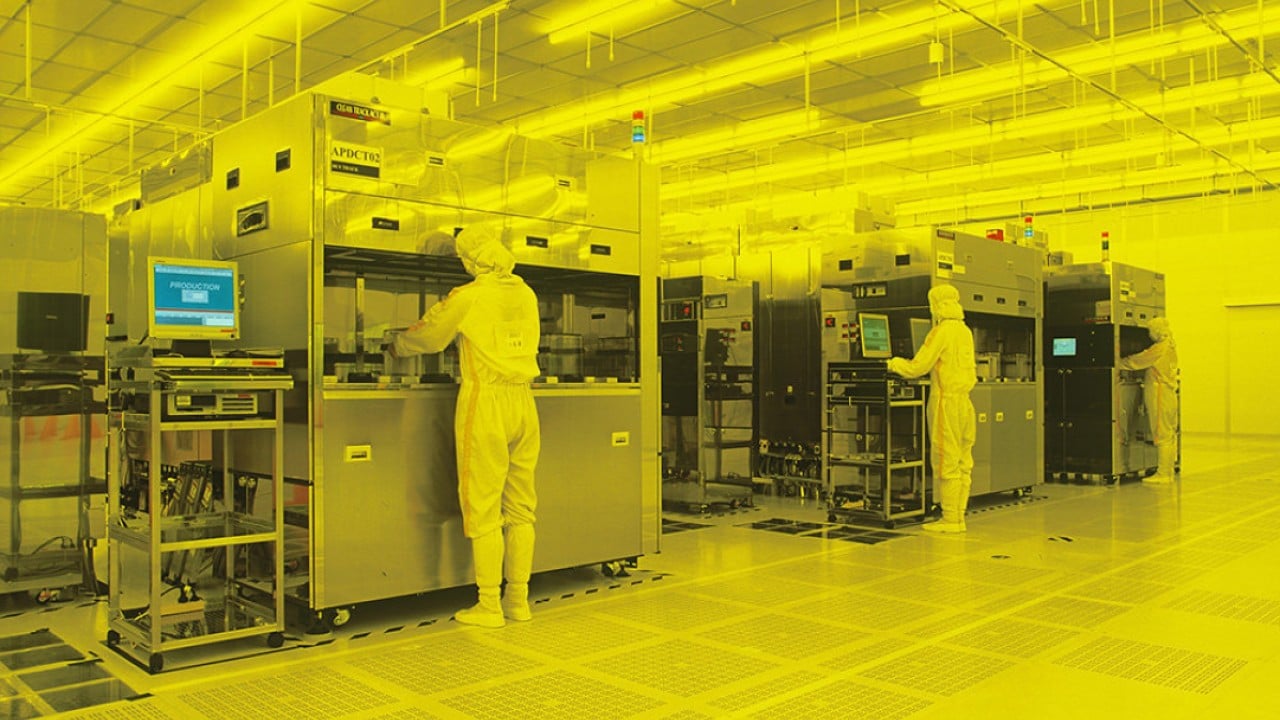
The headlines are parroting a comforting fairy tale. Hua Hong Semiconductor drops two billion dollars on a shiny new wafer fabrication plant, and the media rushes to type out the same lazy narrative about surging artificial intelligence demand, patriotic self-reliance, and an unstoppable march toward semiconductor dominance.
It sounds great in a press release. It reads well for investors looking for an easy story about geographic tech decoupling.
It is also completely wrong.
I have spent the better part of two decades watching state-backed capital chase shiny objects while ignoring the brutal physics of the factory floor. When a mature-node foundry pours billions into concrete and cleanrooms under the banner of capturing the artificial intelligence boom, you are not watching a masterstroke of industrial planning. You are watching a panic response to export controls, masked by corporate PR.
The Fatal Flaw in the Fab Narrative
Let us look at what Hua Hong actually builds. They do not run extreme ultraviolet lithography machines crafting three-nanometer logic chips that power neural networks. They specialize in mature nodes, typically above 28 nanometers. Power management integrated circuits, microcontroller units, analog devices, and sensor chips—these are the bread and butter of traditional manufacturing lines.
The lazy consensus says artificial intelligence needs all of these components, therefore a new fab equals artificial intelligence victory.
That logic breaks down the second you look at actual silicon demand. Artificial intelligence training and inference clusters live and die at the bleeding edge. They require high-bandwidth memory, advanced packaging like CoWoS, and ultra-dense processors fabricated by TSMC. Pumping billions into mature nodes to serve an artificial intelligence wave is like building a massive highway network because you heard someone bought a sports car. The vehicles do not match the asphalt.
The Economics of Mature Node Overcapacity
China is currently flooding the global market with mature-node semiconductors. Everyone in the supply chain knows it, but polite company pretends otherwise. According to industry data from organizations like SEMI, a massive wave of new mature-node capacity is coming online across the region over the next three years.
Basic economics has not been repealed by state subsidies. When supply outstrips demand on standardized manufacturing processes, margins turn into a bloodbath.
Mature Node Capacity Realities
- Standardized Margins: Commodity nodes operate on thin margins where pricing power belongs entirely to the buyer.
- Capital Depreciation: A two-billion-dollar facility requires relentless utilization rates just to cover the cost of equipment depreciation.
- Geographic Mismatch: Domestic demand cannot absorb the total volume these new plants will churn out, forcing an export push that guarantees international trade friction.
When Hua Hong breaks ground on this new facility, they are stepping onto a treadmill that accelerates whether they want it to or not. They have to keep running because stopping means writing down billions in idle assets. It is a classic trap of capital expenditure driven by geopolitical mandates rather than market pull.
What the Media Misses About Specialization
The real constraint in the current semiconductor ecosystem is not a lack of square footage in cleanrooms. It is process engineering talent, tool availability, and packaging innovation. You can buy the building permits and pour the concrete with state-backed loans, but you cannot shortcut the decade it takes to train a process integration engineer who knows how to squeeze yield out of a stubborn lithography line.
By focusing the narrative on the sheer dollar amount of the investment, commentators treat money as an input that automatically generates technological capability. It does not. Capital is a commodity. Execution is rare.
Imagine a scenario where global mature-node pricing drops by another twenty percent over the next twenty-four months due to regional overproduction. The exact plants being cheered today become financial anchors tomorrow. The amortization schedules do not care about patriotic press conferences.
The Uncomfortable Truth About Decoupling
The structural reality is that export restrictions forced this move. Western governments tightened the screws on advanced equipment, leaving domestic foundries with few options other than doubling down on legacy tech and hoping domestic industries can absorb the output.
This defensive crouching is understandable from a geopolitical survival standpoint. But let us stop dressing it up as an aggressive offensive play for the future of artificial intelligence. It is an insurance policy. An expensive, highly dilutive insurance policy that changes very little about the global technological hierarchy.
Stop confusing a defensive fortification with a winning strategy.
How to Play the Real Supply Chain
If you are allocating capital or building supply chain resilience based on these headlines, you are looking at the wrong metrics. Ignore the headline-grabbing capital expenditure numbers. Look at tool utilization rates, domestic equipment self-sufficiency percentages, and packaging yield metrics.
The winners in the next decade will not be the companies that poured the most concrete. They will be the ones that solved advanced packaging bottlenecks and analog precision without bankrupting their balance sheets.
Hua Hong bought themselves time and political cover. They did not buy a ticket to the front of the artificial intelligence revolution.
The factory doors will open, the ribbon will be cut, and the hard math of the semiconductor cycle will still be waiting on the other side.


