The media is safely back in its comfort zone. Bureaucrats are issuing predictable denials. Commentators are breathlessly tracking the flight paths of official diplomatic entourages.
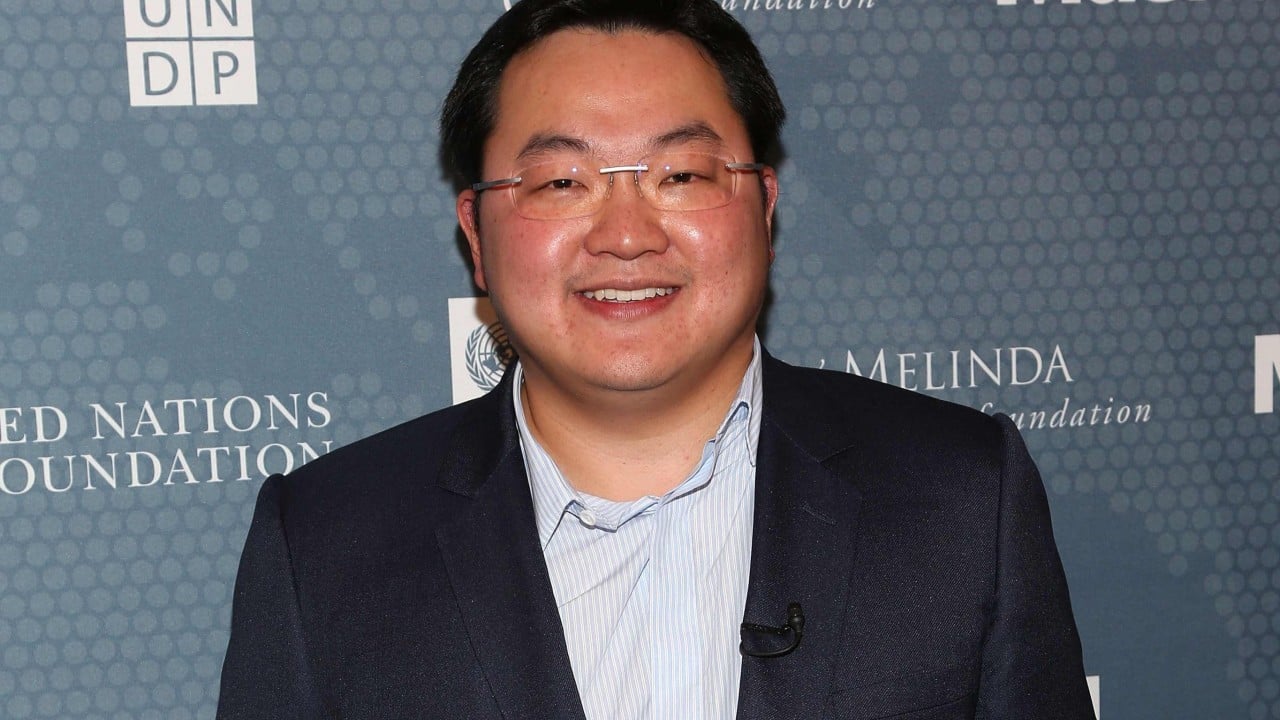
Following reports that fugitive financier Jho Low—the mastermind behind the multi-billion-dollar 1MDB sovereign wealth fund scandal—slip-streamed his way into Malaysia under the cover of a visiting Chinese delegation, the Malaysian government swung into damage control. The Home Ministry issued a flat, unequivocal rejection. The press printed it. The public moved on to the next headline.
Everyone is playing their assigned roles perfectly. And everyone is missing the point.
The obsession with whether Jho Low physically stepped across the Malaysian border on a specific afternoon is a distraction. It treats a deeply entrenched, systemic geopolitical reality as if it were a cheap spy thriller. The media wants a dramatic tarmac arrest. The government wants to signal absolute vigilance. But the uncomfortable reality of modern international relations and white-collar flight tells a completely different story.
Stop tracking the man. Track the leverage.
The Sovereign Shield Myth
The prevailing public narrative rests on a naive premise: that international law enforcement is a frictionless machine, and a red notice from Interpol means a fugitive is constantly running, hiding in shadows, and donning disguises.
In the real world, high-level fugitives with deep institutional connections do not live in caves. They live in plain sight, protected by the complex matrix of sovereign immunity, state intelligence needs, and bilateral leverage.
When a state actor decides to shield an individual asset, that protection is absolute until the moment that individual becomes more expensive to keep than to trade away. To believe that Low could—or would even need to—sneak into his home country at the back of a diplomatic convoy ignores how state sovereignty actually operates. If a foreign power wanted to utilize Low's unique financial knowledge or leverage his remaining networks, they would not risk a high-profile diplomatic incident for a casual visit. And if the host country truly wanted to execute an arrest, it wouldn't be thwarted by a mere delegation roster.
International asset recovery isn't a game of hide-and-seek. It is a game of chess where the pieces are sovereign debt, infrastructure contracts, and regional maritime access.
The Mechanics of State-Sponsored Limbo
To understand why the public conversation around this denial is fundamentally broken, we have to look at the structural mechanics of international harbor.
When a high-net-worth individual possesses granular knowledge of how billions of dollars flowed through global financial hubs, state statecraft alters its trajectory. They cease to be a mere criminal suspect; they become a repository of financial intelligence.
Consider how bilateral treaties and extraditions actually function in high-stakes environments:
- Asymmetrical Leverage: A smaller nation seeking the return of a fugitive is rarely operating from a position of economic dominance. Requests are weighed against multi-billion-dollar infrastructure investments, trade agreements, and regional security alliances.
- The Regulatory Blindspot: Global financial systems are designed to track transactions, not individuals. Once capital is fragmented across tiered offshore structures and shell entities across multiple jurisdictions, the physical location of the architect becomes secondary to the control of the remaining assets.
- Plausible Deniability as Currency: Official denials are the grease that keeps diplomatic machinery moving. They allow two governments to continue high-level trade negotiations without the sticky, embarrassing reality of a mutual criminal asset dominating the agenda.
I have watched corporate entities and state enterprises spend tens of millions of dollars on international asset tracing, hiring ex-intelligence operatives and elite forensic accountants to chase ghosts. The result is almost always the same: you don't catch the target until the political environment changes so drastically that the target's protectors find a new calculation. Until that calculus shifts, official statements are just noise designed to satisfy domestic audiences.
Dismantling the Public Query
The public continuously asks the wrong questions. Go to any forum or look at the media landscape, and the inquiries are predictably superficial:
- "How can a country fail to locate a internationally wanted man?"
- "Why won't his suspected host nations simply hand him over?"
The premise of the first question is flawed because it assumes a lack of capability rather than a lack of political utility. The answer to the second is brutal: because handing him over closes a book that multiple international power brokers prefer to keep open.
A fugitive of this scale represents a massive ledger of compromised global institutions, Western investment banks, regional politicians, and shell companies. His silence is a commodity. His containment is a strategy. Delivering him to a open courtroom where cross-examination becomes public record is a logistical nightmare for entities far beyond the borders of Kuala Lumpur.
Stop Demanding Arrests; Watch the Balance Sheets
If you want to know when the Jho Low saga will actually conclude, stop reading the statements issued by ministries. Stop analyzing the passenger manifests of diplomatic flights.
Instead, watch the renegotiation of major state-backed infrastructure projects. Watch the sudden, unexplained settlement of long-standing corporate disputes between state-linked firms. Watch the flow of sovereign wealth fund allocations and bilateral currency swap agreements.
The resolution of high-profile international flight is always negotiated on a balance sheet, never on a tarmac. The moment the cost of maintaining political protection outweighs the strategic value of the asset, an arrest will happen overnight, cleanly, and with a perfectly choreographed media narrative. Until then, the periodic rumors, sudden sightings, and official denials are simply theater for a public that prefers a simple villain hunt over the complex, transactional reality of global power.
Turn off the news. Follow the capital allocations.