Subsurface infrastructure in high-altitude river basins operates under a continuous margin of hydrological risk. When catastrophic glacial outburst floods or barrier lake breaches occur upstream, linear subterranean structures such as diversion tunnels, desanders, and headrace conduits transform instantly from energy-generation assets into hydraulic traps. The ongoing crisis at the Trishuli and Bhote Koshi river corridors in Rasuwa, Nepal, where hundreds of workers have been trapped or displaced across multiple hydropower sites, illustrates the systemic failure modes inherent in mountainous industrial architecture. Deconstructing this event requires an examination of fluid dynamics, subterranean geometry, and the logistics of extraction under extreme topographical duress.
The Hydraulics Of Subsurface Inundation
Understanding why workers become trapped requires analyzing how flood pulses propagate through closed conduits. Mountain hydropower tunnels are engineered to convey massive volumes of water under high pressure or open-channel flow regimes. When an unmanaged volume of water, such as an avalanche-induced dam burst or glacial lake outburst, breaches a river system, the inflow hydrograph changes instantaneously.
- Velocity Surges: Water entering a tunnel system accelerates due to the steep gradients characteristic of Himalayan engineering projects.
- Debris Choking: Unlike clear water, flash floods in these regions transport high concentrations of suspended sediment, boulders, and organic debris. As this mixture enters a tunnel intake, it settles or jams at structural constriction points—such as gates, valves, or bends—creating temporary internal dams.
- Air Pocket Sealing: Subsurface cavities fill rapidly, compressing trapped air pockets and leaving minimal survivable headroom for personnel caught inside maintenance or construction tunnels.
The transition from a dry or operational subterranean environment to a pressurized, mud-choked pipe occurs faster than human evacuation speeds, particularly for workers located kilometers deep within the mountain profile.
The Logistical Cost Function Of Vertical And Subsurface Rescue
Extracting human assets from a compromised underground conduit demands a specialized military and civil engineering response. The operational variables governing survival time and extraction probability can be expressed through a constraint function based on access impedance, atmospheric depletion, and structural blockage.
$$E_p = f(T_s) - [I_a + D_m + C_b]$$
Where the components operate under strict time decay:
- $E_p$ represents the extraction probability.
- $T_s$ denotes the physiological survival time of trapped personnel, dictated by air quality, hypothermia, and trauma.
- $I_a$ is access impedance, driven by destroyed surface roads, washed-out bridges, and blocked valley trails that restrict heavy equipment deployment.
- $D_m$ accounts for debris masking, where portals and adits are buried under meters of dense, cohesive mud, preventing geographic identification from the air or ground.
- $C_b$ measures internal structural blockages caused by collapsed shoring, twisted machinery, and solidified sediment.
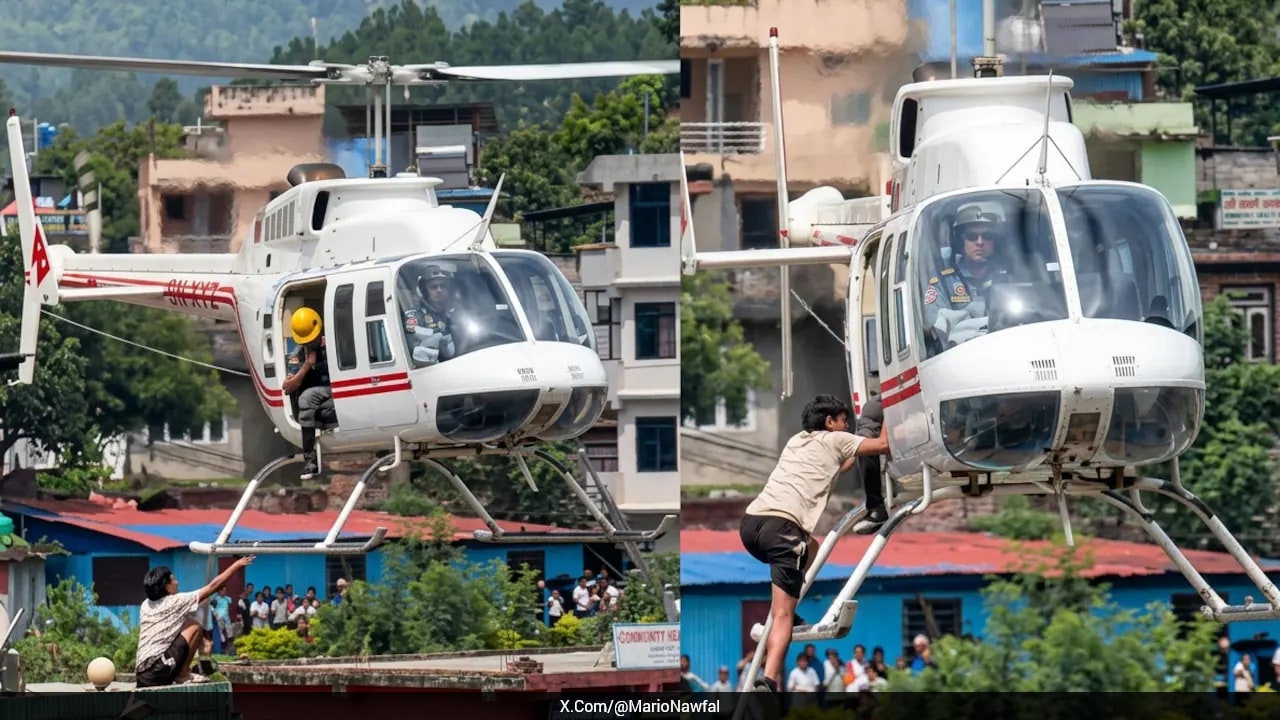
When military and tactical engineering units—such as the Nepal Army detachments operating in Rasuwa—respond to these events, their initial efforts are bottlenecked by $I_a$ and $D_m$. Helicopters can insert personnel near slide zones, but locating buried tunnel portals ($D_m$) on sheer, unstable mountain slopes requires localized acoustic, thermal, or probing techniques. Once the portal is cleared, internal rescue teams face hazardous atmospheres requiring specialized breathing apparatus and heavy hydraulic excavation tools to tunnel through compacted slurry.
Structural Failures In Regional Disaster Response Frameworks
The multi-site crisis across the Trishuli valley—affecting projects such as Upper Trishuli 1, Rasuwagadi, and Trishuli 3A—exposes the limitations of decentralized industrial safety protocols during macro-environmental shocks. Private developers and state-linked entities often maintain independent emergency response plans optimized for localized equipment failure or minor slope instability, rather than regional basin-wide inundation.
Subsurface workforces in under-construction projects frequently lack real-time telemetry linked to upstream hydrological sensors. Because early warning systems rely on river gauge stations that can be destroyed instantly by high-velocity debris flows, the time delta between sensor trigger and downstream impact is often near zero. Without redundant, satellite-backed automated warning loops tied directly to audible alarm systems inside the tunnels, workers remain stationary until physical impact occurs. Furthermore, contractor databases at remote sites often underreport unregistered or transient laborers, introducing severe variance into casualty estimation models and complicating post-disaster accountability.
Strategic Engineering Recommendations For Subsurface Resilience
Mitigating future loss of life in high-risk seismic and glacial zones requires a structural overhaul of underground asset management.
- Mandatory Portal Hardening: Tunnel portals in high-hazard flood zones must be engineered with automated, blast-resistant rapid-closure flood gates linked to high-elevation, independent seismic and hydrological monitors located well above the permanent snowline.
- Subsurface Safe Havens: Long-bore tunnels must incorporate pressurized, self-sustaining refuge chambers stocked with oxygen, potable water, and emergency communication nodes independent of surface power grids.
- Unified Regional Data Protocols: Project operators must maintain cloud-synced, real-time muster rolls accessible to national disaster management authorities to eliminate tracking blind spots during multi-site emergencies.
Deployment of specialized external tunneling experts, such as the National Disaster Response Force teams equipped for subterranean breach operations, must be formalized through pre-arranged bilateral frameworks to compress deployment timelines when domestic logistics are paralyzed. Future infrastructure security in high-relief mountain terrain depends entirely on treating subterranean workspaces as high-risk marine environments that demand redundant life-support and immediate isolation capabilities.
Nepali Army Extracts Workers From Hydropower Tunnel as Over 1,000 Remain Missing After Flood
This video provides visual documentation of the Nepal Army executing tactical extraction operations and navigating mud-filled subterranean infrastructure following the flash floods.