A brittle facade of diplomacy shattered over the weekend as the United States and Iran traded contradictory assertions regarding the status of the world’s most critical energy chokepoint. Hours before high-level technical delegations were scheduled to convene in Bürgenstock, Switzerland, to iron out the details of a newly signed interim peace deal, Iran’s Islamic Revolutionary Guard Corps declared the Strait of Hormuz closed. The United States Central Command countered immediately, asserting that shipping traffic was moving normally and that 55 commercial vessels had successfully transited the waterway without incident.
This widening gap between rhetoric and reality exposes a foundational flaw in the diplomatic framework orchestrated by the Trump administration. The interim Memorandum of Understanding, signed digitally on June 17, is built on a dangerous contradiction. Washington believes it has coerced a battered adversary into submission through a devastating air war. Tehran believes it has successfully weaponized its geographic dominance over 20 percent of the global petroleum supply to force a superpower retreat. Recently making headlines recently: Why Trump Wants to Rename ICE and Why It Won't Work.
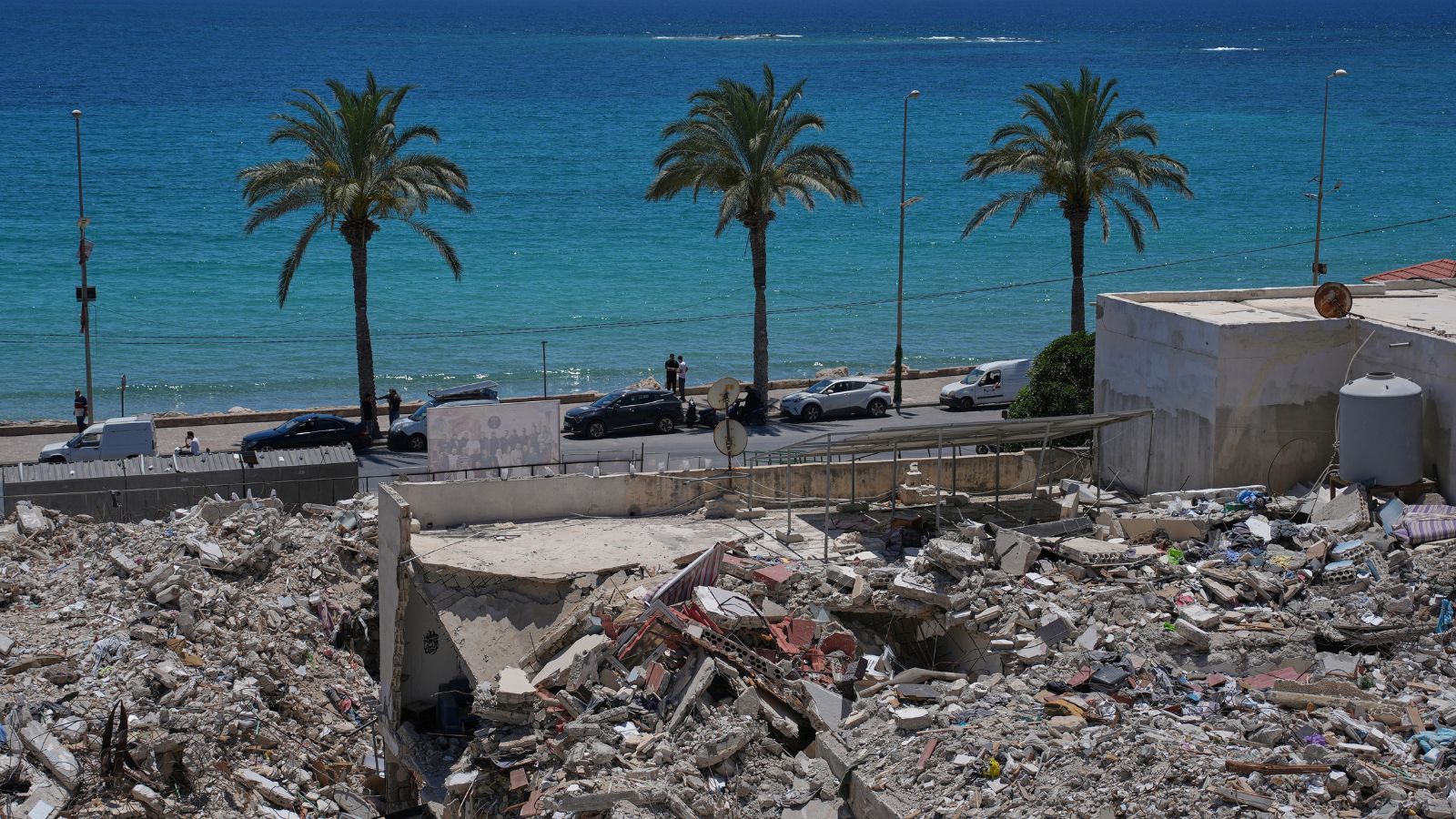
The immediate catalyst for this latest standoff is the ongoing violence in the Levant. The interim deal bound the United States to secure a cessation of hostilities across all regional fronts. When Israeli forces launched a fresh wave of strikes against Hezbollah targets in southern Lebanon, Tehran claimed Washington had breached the first clause of the agreement. The resulting maritime shutdown was framed by Iranian state media as a legitimate response to Western non-compliance.
Navigating the Strait of Hormuz has never been a purely military equation. It is an intricate game of insurance premiums, satellite signals, and physical geography. While Washington insists the international shipping lanes remain open, the commercial reality on the water is dictated by an unseen hazard, namely thousands of unmapped sea mines laid by Iran since hostilities escalated in late February. Additional information on this are covered by BBC News.
The current diplomatic architecture reflects an astonishing level of geopolitical oversight. The 14-point memorandum focuses heavily on freezing Iran’s 9,000-kilogram enriched uranium stockpile and dismantling its nuclear infrastructure under international supervision. It provides a massive 300 billion dollar regional reconstruction fund as a carrot. Yet, it leaves Iran’s massive ballistic missile arsenal entirely untouched. President Trump brushed this omission aside, noting that regional powers must retain some defensive capabilities because their neighbors do.
This policy gap ignores the shift in how modern maritime warfare is waged. Iran does not need a conventional blue-water navy to hold the global economy hostage. Its strategy relies on thousands of low-cost, GPS-guided fast attack craft, shore-based anti-ship missiles, and widespread electronic warfare. Commercial vessels transiting the Gulf are currently subjected to severe global navigation satellite system jamming and spoofing, which alters digital coordinates and forces crews to rely on visual piloting through narrow channels.
Tehran’s long-term play became clear just 24 hours after the blockade was initially lifted. The Iranian delegation announced plans to institute a permanent maritime permitting and fee system for any vessel utilizing the northern transit route near Larak Island. This is a direct challenge to centuries of established international maritime law. Iran argues these fees are necessary to cover the operational costs of managing the waterway. Regional neighbors, specifically Saudi Arabia and the United Arab Emirates, have rejected the proposal, viewing it as an extortion mechanism born out of a devastating conflict.
The international community now finds itself caught in a diplomatic gridlock. If the United States uses naval escorts to force uninhibited access through the southern Omani route, it risks reigniting the very air war it is trying to conclude. If it concedes to Iran’s regulatory overreach to keep the Bürgenstock talks alive, it establishes a precedent where global trade chokeholds are legitimized through coercion.
The global energy market has already sustained permanent damage. Even if the upcoming technical talks in Switzerland resume, international shipping firms are hesitant to return to the Persian Gulf. The International Energy Agency reported a structural drop in global oil demand of 1.1 million barrels per day, a direct consequence of the shipping freeze that began in February. Tanker operators require legal certainty and physical safety, neither of which can be guaranteed by a digital signature on a piece of paper.
The fundamental disconnect cannot be resolved by technical diplomats in a Swiss resort. The United States is treating the negotiation as a victory lap, while Iran is using it as an asymmetrical shield. Until Washington acknowledges that maritime security cannot be separated from the regional proxy network it chose to ignore, any progress made in Switzerland will remain entirely detached from the realities of the water.
Analysis of the U.S. Blockade Line and Iranian Tanker Movements provides a detailed breakdown of the maritime tracking data and tactical realities facing shipping firms attempting to navigate the region during these diplomatic disputes.