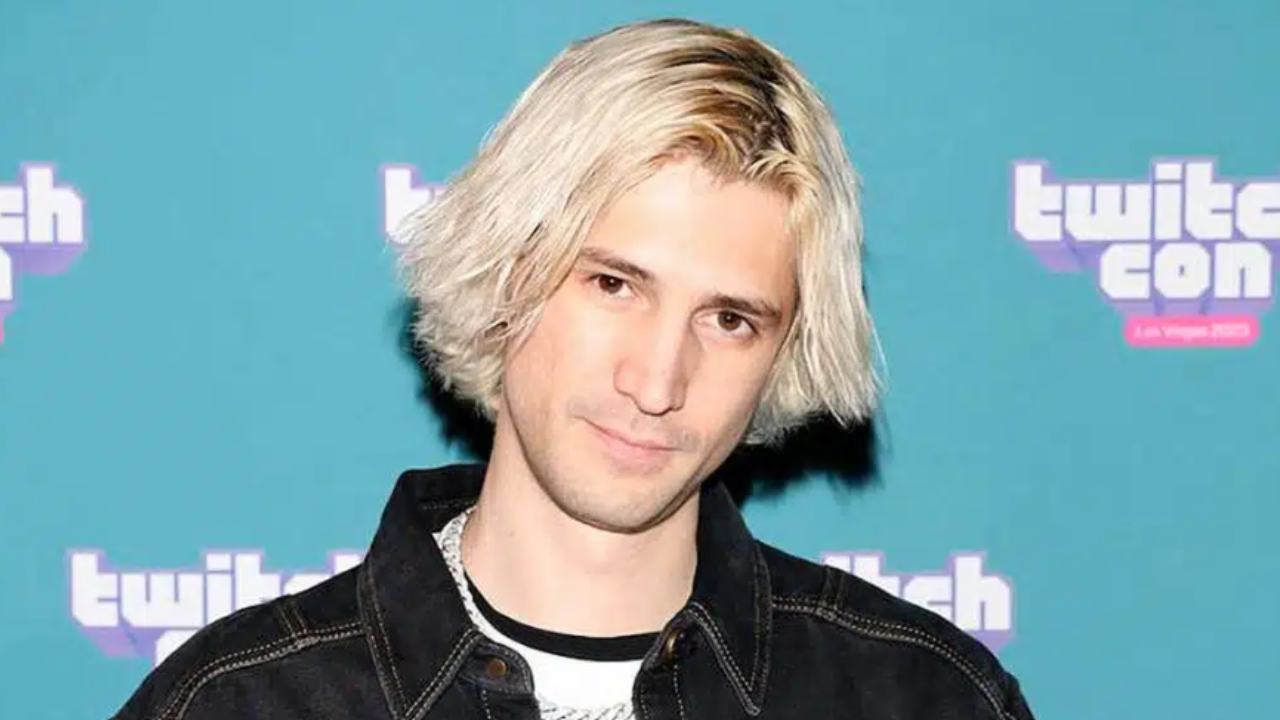
Twitch streamer Snowcone sparked a wave of online debate by claiming that Kai Cenat’s Streamer University offers more tangible value than a degree from Harvard University. While the comparison sounds absurd on its face, it highlights a massive shift in how the next generation views education, career readiness, and wealth creation. The traditional academic track is facing an existential crisis, and digital creators are stepping into the vacuum. However, equating a hype-driven creator initiative with an elite Ivy League institution fundamentally misunderstands how both systems operate.
To understand why this comparison resonates with millions of young people, you have to look at the immediate economic reality. Higher education has become staggeringly expensive, often leaving graduates with decades of debt and no guarantee of employment. Meanwhile, top-tier live streamers command audiences larger than network television channels and generate millions of dollars in revenue before they are old enough to rent a car. To a teenager watching from their bedroom, a textbook on media theory feels entirely disconnected from the practical reality of building a digital brand.
The Mechanics of the Creator Academy
The appeal of a creator-led program lies in its promise of direct, actionable knowledge. Traditional universities teach broad concepts, critical thinking, and historical context. A streamer academy focuses entirely on the mechanics of the current platform algorithms, audience retention tactics, and hardware setups.
For an aspiring creator, learning how to configure a dual-PC streaming setup or how to read YouTube analytics metrics feels far more useful than analyzing twentieth-century literature. These programs promise a shortcut to a highly visible, incredibly lucrative career. They sell the idea that anyone with a webcam and enough work ethic can replicate the success of the industry's elite.
But this promise ignores the brutal math of the attention economy. The vast majority of live streamers broadcast to fewer than five concurrent viewers. The barrier to entry is practically zero, which means the competition is absolute. No amount of technical instruction can guarantee the specific blend of charisma, timing, and luck required to break through the noise.
The True Value of the Ivy League
The comparison to Harvard fails because it fundamentally misinterprets what an elite university actually sells. People do not pay hundreds of thousands of dollars to Harvard just to read books that are publicly available in libraries. They pay for institutional prestige, vetting, and, above all, the network.
An Ivy League degree acts as a powerful signaling mechanism to global corporations, financial institutions, and governments. It tells employers that the holder has passed through a highly rigorous selection process. Furthermore, the alumni network provides direct access to powerful rooms that remain entirely closed to outsiders.
A streamer program offers none of these structural advantages. It cannot grant a credential that traditional industries respect, nor can it provide a safety net if the platform's algorithm changes overnight. If Twitch or YouTube alters its distribution model, the skills learned to optimize for the old system can become obsolete in an afternoon.
The Monopoly on Attention
What creators like Kai Cenat actually possess is not an educational framework, but a direct line to the culture. They understand audience psychology better than almost any traditional media executive. When a prominent creator launches an initiative, the value is not necessarily in the curriculum itself, but in the association with a successful brand.
This is a new form of digital apprenticeship. Historically, trades were learned by working directly under a master craftsman. The modern equivalent sees young creators studying the exact moves of top-tier talent, hoping to catch a fraction of their momentum.
Traditional Education vs. Creator Programs
+-----------------------+-----------------------+
| Harvard University    | Streamer Initiatives  |
+-----------------------+-----------------------+
| High institutional    | Low barrier to entry  |
| prestige and vetting  | with zero credential  |
+-----------------------+-----------------------+
| Access to legacy      | Reliance on volatile  |
| corporate networks    | platform algorithms   |
+-----------------------+-----------------------+
| Broad, theoretical    | Hyper-specific,      |
| systemic knowledge    | tactical execution    |
+-----------------------+-----------------------+
The underlying issue is that the skills required to stay at the top of the streaming world are notoriously difficult to teach. You can teach someone how to compress their audio or how to design a clickable thumbnail. You cannot teach the raw, exhausting magnetism required to entertain a hyperactive chat for eight hours a day, six days a week.
The Longevity Problem
The career lifespan of a professional streamer is incredibly short compared to traditional professions. A corporate lawyer or a surgeon can practice for forty years, with their value increasing as they gain experience. A digital creator is entirely dependent on the fleeting trends of youth culture.
When a streamer's core audience grows up, gets jobs, and stops watching live broadcasts, that creator must either evolve or fade away. A university degree, whatever its flaws, does not expire when an app loses popularity. It remains a permanent fixture on a resume, recognized by human resource departments globally.
Aspiring entertainment professionals need to realize that the digital landscape is built on rented land. You do not own the platform, you do not own the distribution, and you do not own the algorithm. Relying entirely on a single platform's current ecosystem for your long-term career stability is an incredibly high-risk strategy. Diversification of skills, financial literacy, and a fundamental understanding of contract law will always serve a creator better than simply copying the aesthetic of the current top channel.