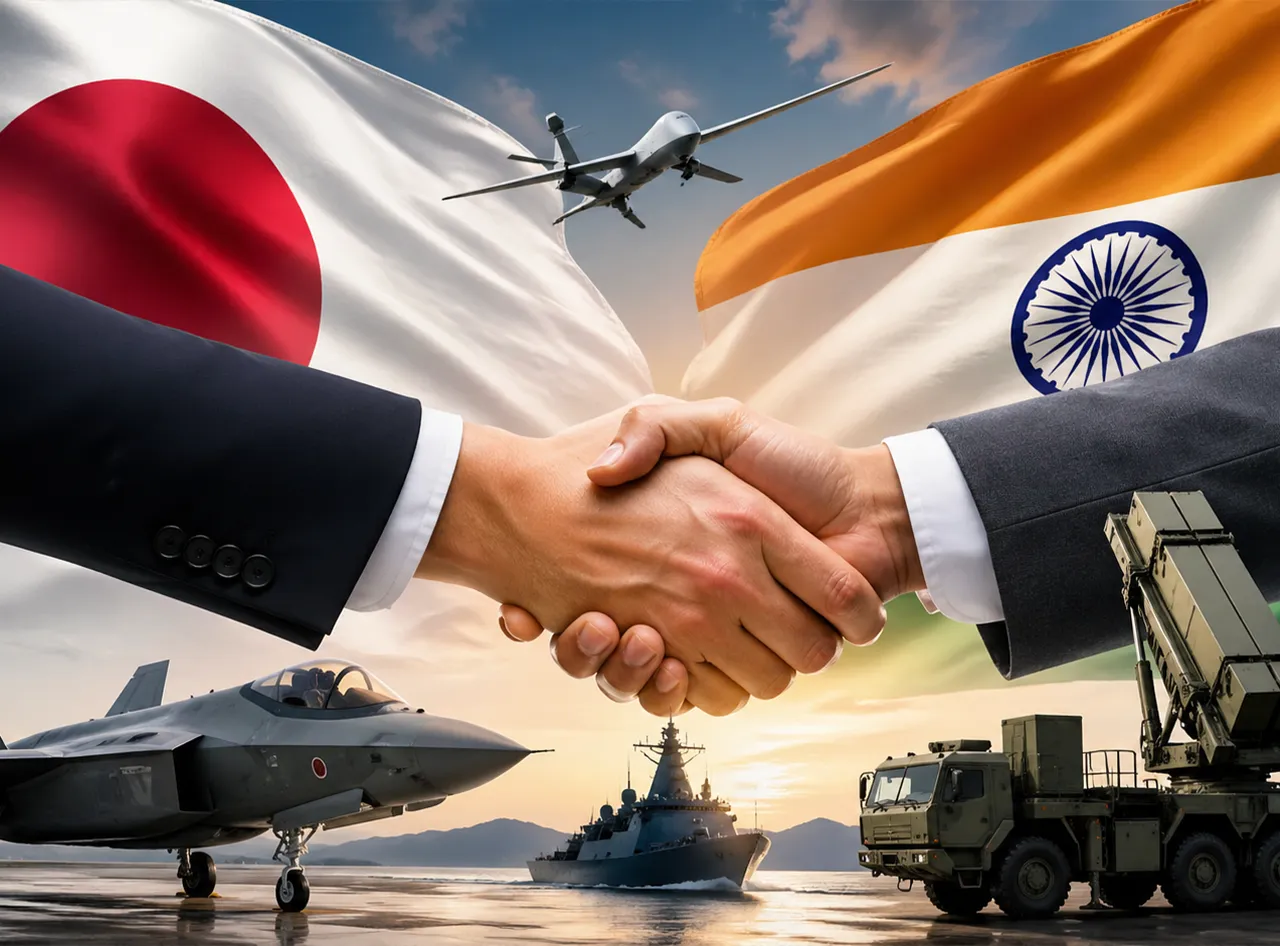
Geopolitics rarely shifts overnight, but when Tokyo and New Delhi align their military strategies, the balance of power in Asia tilts visibly. Japanese Defence Minister Shinjiro Koizumi arrives in New Delhi to meet Indian Defence Minister Rajnath Singh, and the agenda goes far beyond standard diplomatic handshakes. They are hammering out concrete technological arrangements that could reshape maritime security from the Indian Ocean to the Western Pacific.
If you look past the standard press releases, this meeting marks a crucial turning point. Japan is stepping away from its historic post-war pacifist shell, and India is accelerating its push for domestic military self-reliance. When you combine Tokyo's advanced electronics with India's massive manufacturing scale, you get an alliance built for real-world deterrence. If you found value in this piece, you might want to check out: this related article.
What is Actually on the Table
For years, defense cooperation between Tokyo and New Delhi felt more like a theoretical exercise than a practical partnership. Bureaucratic red tape and Japan's strict constitutional limits on military exports kept major deals stuck in neutral. That era is officially over.
On the table right now is the export of Japan's Unicorn communication antenna system, a sophisticated piece of naval tech that drastically reduces a warship's radar cross-section while optimizing communication. India wants this kind of hardware integrated into its naval fleets, and Japan is finally willing to supply it. This isn't just about buying and selling weapons. It's about interoperability. If Indian and Japanese destroyers can share secure data streams seamlessly during joint patrols, joint naval drills in the Malacca Strait become far more meaningful than simple photo opportunities. For another perspective on this event, check out the latest update from BBC News.
The China Factor No One Mentions on Record
Diplomats love to talk about "regional stability" and "rules-based international orders" without pointing fingers. But let's be honest about why Koizumi's itinerary includes both Canberra and New Delhi. Beijing's aggressive maritime expansion has forced both capitals into a corner where defense integration is the only logical survival strategy.
China's rapid naval modernization program has outpaced most Western projections. Tokyo realizes it cannot rely solely on the United States security umbrella, especially with domestic political shifts in Washington creating unpredictable variables. India, facing its own persistent border friction and watching Chinese submarines dock in neighboring ports, needs reliable maritime partners who share technological prowess.
Beyond Hardware: Cyber and Space
Missiles and warships grab the headlines, but the quiet work happening in cyber security and space is where the real threat mitigation takes place. Both nations face constant probing of their critical infrastructure by state-backed hacker groups.
During the upcoming talks, expect heavy emphasis on joint satellite surveillance. Tracking naval movements across the vast expanse of the Indian Ocean requires eyes in the sky that neither country can maintain alone at all times. Sharing intelligence feeds from military satellites gives both defense ministries early-warning capabilities that neutralize surprise maneuvers.
Why This Partnership Often Stalls
It's easy to get carried away by strategic hype, but anyone tracking bilateral defense pacts knows structural hurdles remain. Japan's acquisition processes are notoriously slow, and Indian defense procurement is famous for bureaucratic delays. Bridging two completely different defense-industrial ecosystems takes years of patient negotiation.
India's insistence on domestic manufacturing—the Make in India initiative—means Tokyo can't simply dump finished products into the Indian market. Japanese defense contractors must be willing to transfer technology and establish joint ventures on Indian soil. Koizumi and Singh have to figure out how to satisfy Japan's strict security clearance requirements while meeting India's local production demands.
Where the Alliance Heads Next
The meeting between Koizumi and Singh sets the direct baseline for the upcoming annual 2+2 Foreign and Defence Ministers' Dialogue. Watch the concrete announcements coming out of New Delhi this week. If they finalize the Unicorn antenna transfer protocols and establish a clearer roadmap for joint defense manufacturing, it proves that India and Japan aren't just talking about security—they're jointly engineering it. Stop viewing this relationship as a secondary diplomatic subplot. It's becoming one of the most critical security anchors in the entire region.