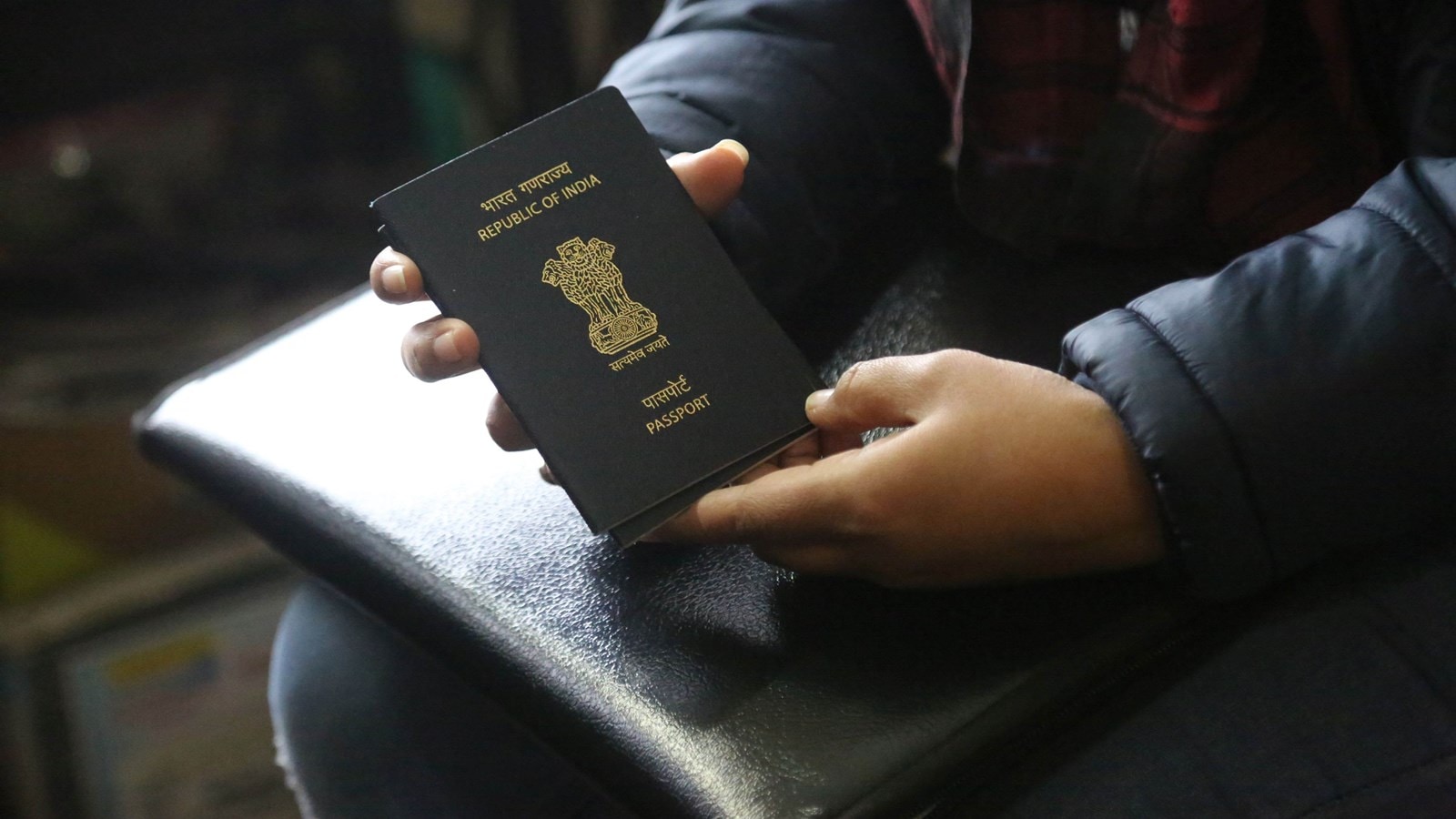
The sudden, temporary halt of passport services at the Indian Consulate in Dubai sent the local media into an immediate tailspin. Within hours, the internet was flooded with anxious, hand-wringing guides instructing three million expats on how to navigate the "crisis." Media outlets rushed to publish emergency hotlines, step-by-step rescheduling tips, and frantic quotes from stranded travelers.
This panic is entirely misplaced.
The temporary closure of a physical consulate is not a disaster. It is a revelation. It exposes a painful truth that global governments have spent decades trying to ignore: the physical consulate is an expensive, obsolete relic of 19th-century diplomacy that has no business existing in a digitized global economy.
Stop checking your appointment status. Stop refreshing the scheduling portal. It is time to dismantle the myth of the physical consular office and demand the digital-first identity system that expats actually deserve.
The Relic of the Physical Stamp
For decades, we have been conditioned to believe that physical proximity to a government official is a prerequisite for security. We are told that a bureaucrat must physically look at your face, compare it to a glossy photo, and press an ink stamp onto a piece of paper to verify who you are.
This is administrative theater.
I spent over a decade managing global mobility logistics for multinational corporations, moving thousands of executives and specialized workers across borders. I have watched companies lose millions of dollars in productivity because a brilliant engineer was forced to sit in a plastic chair for six hours waiting for a consulate employee to fix a typos on a printed document.
The physical consulate does not guarantee security; it guarantees friction.
When you force millions of expats to travel to a single building in a high-traffic urban center like Dubai just to renew a booklet, you are running a system designed for the era of steamships. In a world where you can verify your identity to open a Swiss bank account or transfer half a million dollars in sixty seconds using a smartphone, forcing someone to take a day off work to hand over a paper envelope is absurd.
The False Economy of Consular Inconvenience
Let us run a simple calculation to expose the hidden economic tax of physical consular services.
Assume the Indian Consulate in Dubai serves roughly 1,500 physical applicants a day across various passport and visa services.
- Lost Wages: The average expat applicant takes at least a half-day off work. At a conservative estimate of 100 AED ($27 USD) in lost productivity or wages per person, that is 150,000 AED drained daily.
- Transit and Parking: Commuting to the consulate, paying for parking, or hailing a taxi adds another 50 AED per person. That is 75,000 AED.
- Administrative Overhead: The cost to run, air-condition, secure, and staff a massive diplomatic facility in prime Dubai real estate runs into millions of dollars annually.
When the consulate shuts its doors, the media treats it as a halt in productivity. The reality is the opposite: keeping these physical offices open is what drains our collective productivity. The temporary shutdown is a proof of concept. It shows us exactly what happens when we stop feeding the paper-shuffling machine.
The solution to a closed consulate is not "better booking software" or "more staff." The solution is the complete elimination of the physical touchpoint.
Dismantling the Security Myth
The primary defense of the consular status quo is security. Defenders of the current system argue that physical biometrics and face-to-face interviews prevent identity fraud.
This argument collapses under the slightest scrutiny.
India already possesses one of the most sophisticated digital identity infrastructures on earth: Aadhaar. This system utilizes biometrics, facial recognition, and one-time passwords to authenticate over a billion people instantly. Yet, when an Indian citizen crosses an international border, this digital-first approach is abandoned in favor of paper trails and physical appointments.
If a citizen can verify their identity to access government subsidies or authorize financial transactions in rural India using a thumbprint on a low-cost mobile scanner, why must an expat in a hyper-digitized city like Dubai present physical utility bills to a consular officer?
The technology to verify identity remotely exists, is highly secure, and is already in use by the private sector. The only thing preventing its adoption in consular services is bureaucratic self-preservation. Consulates exist to justify their own budgets. Transitioning to a fully automated, decentralized digital identity protocol would render 90% of consular administrative staff redundant overnight.
What the "How-To" Guides Get Wrong
The competitor articles covering this shutdown focus entirely on survival strategies for the status quo. They ask the wrong questions, leading to useless answers.
"How do I get an emergency passport if the office is closed?"
The traditional advice is to call a hotline or apply for an emergency certificate. The real answer is that the concept of an emergency physical passport is a systemic failure. The International Civil Aviation Organization (ICAO) has already established frameworks for Digital Travel Credentials (DTC). A temporary shutdown should trigger the instant issuance of a secure, cryptographically signed digital passport to an applicant's smartphone, allowing them to travel immediately without waiting for a physical printing press to start running again.
"What happens to my visa status while services are halted?"
The media tells you to contact local immigration authorities and pray for leniency. The rational approach is to integrate consular databases directly with host-nation immigration systems. If Dubai's General Directorate of Residency and Foreigners Affairs (GDRFA) can process smart-gate entries in seconds, they should automatically receive digital updates from sending nations regarding passport renewals, eliminating the need for expats to act as physical couriers of their own data.
The Pain of Transition is a Terrible Excuse
Critics of total digital automation will point out the digital divide. They will argue that low-income laborers, who make up a significant portion of the Indian diaspora in the Gulf, may not have the smartphone literacy or access required to navigate a fully digital identity portal.
This is a valid concern, but the current solution is patronizing and inefficient.
Instead of forcing thousands of blue-collar workers to spend their precious rest days traveling to a central consulate, governments should deploy localized, automated biometric kiosks in worker accommodations and community centers. These kiosks, similar to ATMs, can capture biometrics, scan existing documents, and print temporary credentials on demand.
We do not keep physical bank branches on every corner to serve those without smartphones; we build accessible ATMs and simplified interfaces. The diplomatic corps must do the same.
Stop Waiting for the Doors to Reopen
The closure of the Indian Consulate in Dubai is not a crisis to be managed with patience. It is an indictment of a broken, outdated model of statecraft.
When services halt, do not lobby for longer office hours or faster paper processing. Start demanding the elimination of the paper itself. The technology is ready. The infrastructure is built. The only obstacle is our collective tolerance for standing in lines.
The doors are locked. Let them stay locked. It is time to move the state into the cloud.