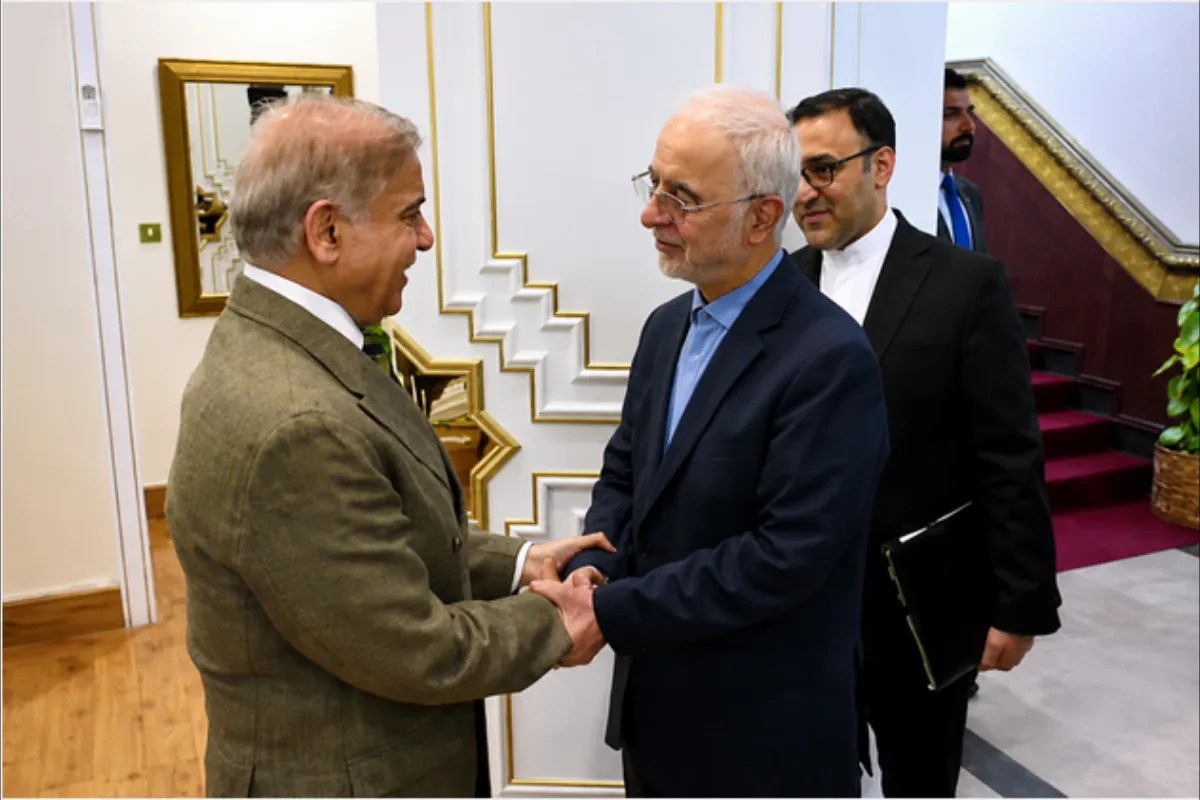
Diplomacy often gets bogged down in scripted soundbites and repetitive press releases. When India’s External Affairs Minister S. Jaishankar met Australian Foreign Minister Penny Wong and Philippines Foreign Secretary Ma. Theresa P. Lazaro in Manila, the headlines barely scratched the surface.
Most coverage treated these meetings as routine diplomatic check-ins ahead of the Quad Foreign Ministers' Meeting. That misses the bigger picture entirely. What went down in Manila isn't just about handshake photos—it shows a calculated realignment of how India projects power across Southeast Asia.
The Shift in New Delhi's Maritime Strategy
For years, India talked about its Act East Policy with a mix of grand vision and cautious execution. That period of hesitation is over. By holding high-level bilateral talks with both Australia and the Philippines in the same breath, New Delhi is actively weaving a tighter operational network in the West Philippine Sea and broader Indo-Pacific region.
The timing of these meetings on the sidelines of the ASEAN ministerial framework wasn't an accident. The Philippines took on the ASEAN Chairship under the banner of "Navigating Our Future, Together," and India seized the moment to press forward on trade, defense, and maritime cooperation.
When Jaishankar sat down with Lazaro, the agenda went well beyond symbolic goodwill. They dug into real, actionable priorities:
- Defense and Maritime Security: Expanding intelligence sharing and physical domain awareness in contested waters.
- Trade and Investment: Creating economic insulation against external supply chain shocks.
- Capacity Building: Offering Indian technical expertise to bolster Southeast Asian coastal monitoring capabilities.
This isn't generic diplomacy. It’s practical, hard-nosed statecraft designed to give smaller regional players a reliable partner who doesn't come with heavy-handed political strings attached.
Australia, India, and the Quad Realignment
Then came the meeting with Penny Wong. On paper, it was a follow-up to Prime Minister Narendra Modi’s earlier trip to Australia. In practice, it was a alignment check before stepping into the broader Quad dialogue alongside US Secretary of State Marco Rubio and Japanese Foreign Minister Toshimitsu Motegi.
The Quad has evolved fast over the past couple of years. It moved past the phase of vague joint statements and started focusing on supply chain resilience, critical technologies, and emergency response capabilities.
When Jaishankar noted that he was "looking forward to interacting" at the Quad level right after his bilateral with Wong, he was signaling that India and Australia are aligned on keeping ASEAN at the center of the region's security structure.
Why does ASEAN centrality matter so much to both New Delhi and Canberra? Because neither country wants the Indo-Pacific reduced to a binary struggle between major powers. By placing ASEAN at the core, the Quad presents itself as a supportive partner rather than an imposing coalition.
Reading Between the Lines in Manila
If you want to understand where regional politics are actually heading, you have to look at what didn't make the front pages.
First, designation of the "ASEAN-India Year of Maritime Cooperation" signals a concrete push toward joint naval exercises, port visits, and real-time security tracking. Second, the Philippines is emerging as a crucial security partner for India in Southeast Asia, moving far beyond traditional diplomatic politeness.
India isn't just reacting to regional tensions anymore. It’s actively shaping the security ecosystem alongside partners like Australia and the Philippines who share an interest in open sea lanes and rule-based navigation.
What to Watch Going Forward
Keeping track of diplomatic maneuvering in the Indo-Pacific requires watching actions rather than listening to rhetoric. Pay close attention to these three practical indicators over the coming months:
- Bilateral Defense Deliveries: Watch for further defense hardware deals and security agreements between India and the Philippines.
- Joint Maritime Patrols: Track whether Indian and Australian naval assets increase coordinated presence operations across the eastern Indian Ocean and Western Pacific.
- ASEAN Supply Chain Initiatives: Keep an eye on concrete policy rollouts around tech transfers and trade agreements negotiated during this ASEAN chairship.
Diplomacy moves slowly right up until it doesn't. The meetings in Manila showed that India, Australia, and the Philippines are laying down permanent infrastructure for long-term regional stability, one bilateral agreement at a time.