The threat of a market downgrade sounds like bureaucratic legal jargon right up until it vaporizes billions of dollars in foreign capital.
That's the harsh reality facing Southeast Asia’s largest economy. Earlier this year, index provider MSCI dropped a bomb on Jakarta: reform your capital markets, show us real transparency, or face reclassification from Emerging Market to Frontier Market status. Discover more on a related issue: this related article.
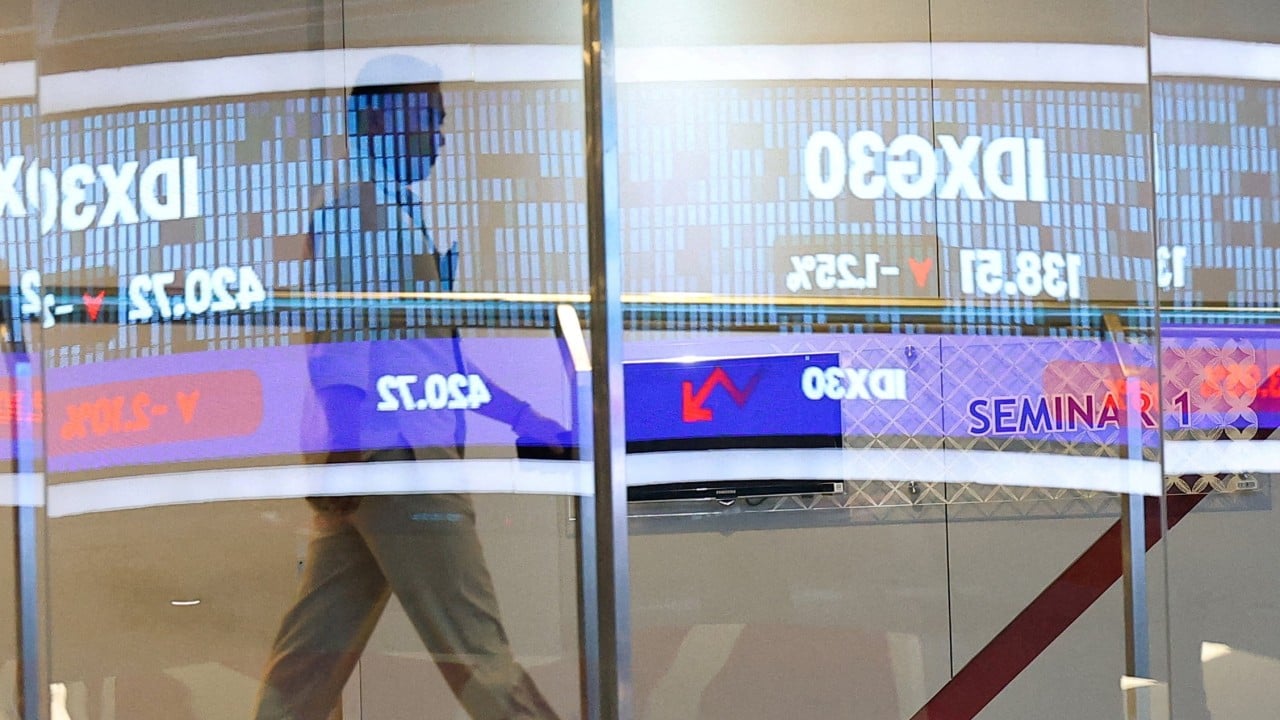
For global investors, being demoted to a frontier market isn't just a slap on the wrist. It’s a forced sell order for every massive index fund tracking global emerging markets. The Jakarta Composite Index (JCI) felt the burn immediately, tumbling significantly as foreign funds pulled roughly $4 billion out of Indonesian equities.
Regulators in Jakarta aren't sitting idly by. Indonesia’s Financial Services Authority (OJK) and the Indonesia Stock Exchange (IDX) have scrambled into damage control mode. But can a flurry of last-minute regulatory tweaks truly fix structural issues that have lingered for years? Further journalism by The Motley Fool explores comparable views on the subject.
The Core Issues Irking MSCI
MSCI’s grievance with Indonesia wasn't an overnight whim. It centered around a few deeply ingrained pain points that institutional managers have complained about quietly for decades:
- Concentrated Share Ownership: Massive chunks of listed companies are controlled by tight groups of insiders or family conglomerates, leaving little room for public trading.
- Low Free Float: The actual portion of stock available to public investors has historically been far too thin for giant global institutions to trade without moving the price wildly.
- Information Disconnect: Critical disclosures, investor filings, and financial metrics are often delayed or completely unavailable in English, making foreign participation a headache.
When MSCI temporarily froze adjustments for several major Indonesian equities and dropped companies like Barito Renewables Energy and Chandra Asri Pacific from its Global Standard Index, it signaled that patience had run out.
What Jakarta Is Doing Right Now
To avoid an absolute capital flight before MSCI's crucial November review, OJK and IDX rolled out an aggressive reform playbook.
First, they slashed the mandatory disclosure threshold for shareholder identity from 5% down to 1%. If someone builds a meaningful position in a listed firm, everyone knows about it fast. They've also tightened transparency around Ultimate Beneficial Owners (UBO) so holding companies can't mask who actually pulls the strings.
Second, regulators are pushing to double the minimum public free-float requirement from 7.5% to 15%. Listed companies that refuse to comply face delisting warnings.
Third, they're attempting to fix basic market mechanics by establishing routine technical sessions with MSCI and speeding up English-language corporate reporting.
The Real Stake for Investors and Markets
Why should a stock trader or macro analyst care about this index drama?
Passive index funds rule modern global investing. Trillions of dollars are hardcoded to buy or sell automatically depending on whether a country sits in the MSCI Emerging Markets Index or gets booted into Frontier status.
If Indonesia were reclassified, institutional mandates would force managers to dump billions in local shares automatically. Frontier market status puts Indonesia in the same category as smaller, less liquid financial systems—effectively shutting the door on major pension funds and sovereign wealth allocations.
Even though MSCI deferred a decision to keep Indonesia’s Emerging Market status temporarily intact, the threat remains live until the November review.
Market participants have been quick to point out the nuance. "Staying in the emerging market index keeps Indonesian stocks in global investment mandates, preventing further foreign capital outflows," noted Gavekal Research analysts Tom Miller and Udith Sikand. However, Tae Yong Shim from Samuel Sekuritas recently estimated the downgrade risk at less than 10%, suggesting market fears might be overblown given how fast OJK is moving.
The divergence in sentiment creates a classic risk-reward setup. Indonesian stocks are trading at heavy valuation discounts compared to regional peers, largely because foreign capital took a defensive stance during the uncertainty.
How to Position for the Outcome
If you track emerging markets or trade Southeast Asian assets, sitting on your hands isn't an option. Here's how to navigate the coming months:
- Watch the English-Language Disclosures: Track whether listed companies are actually delivering real-time filings in English or just paying lip service to the rule. MSCI evaluates practical execution, not promises.
- Monitor Free-Float Compliance: Keep tabs on large cap names pushing to meet the 15% free-float threshold. Secondary offerings aimed at expanding public float could create short-term entry opportunities.
- Follow Foreign Flow Trends: Foreign fund flow data into the IDX is the best real-time indicator of institutional sentiment ahead of the November deadline. When net inflows turn positive consistently, institutional capital is signaling confidence that the reform roadmap is working.
Indonesia's regulatory push proves that index providers hold real leverage over emerging markets. Whether Jakarta's swift policy pivot is enough to satisfy global investors permanently will become clear very soon.