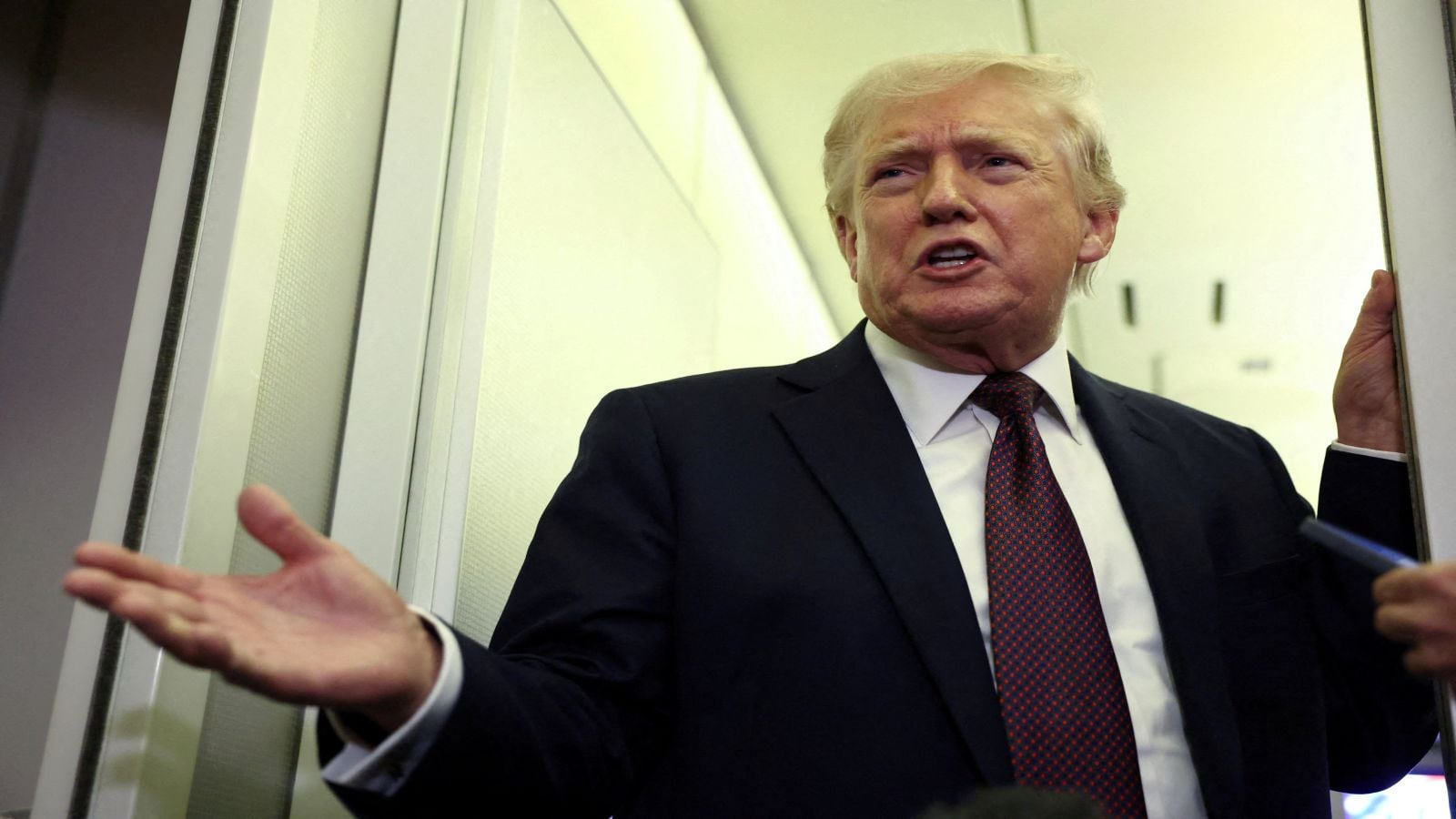
The heavy door of the Oval Office doesn’t just shut; it seals. Inside, a single piece of paper can reorder the lives of millions of people who will never step foot in Washington. When Donald Trump announced that the text of a new Iran deal would be released soon, the stock markets ticked. Television pundits adjusted their ties.
But thousands of miles away, in the bustling, smog-choked alleys of the Grand Bazaar in Tehran, an old man named Reza didn't care about the political theater. He cared about the price of medicine. For Reza—a hypothetical composite of the everyday citizens caught in the gears of geopolitics—sanctions are not a policy tool. They are a ghost that sits at his kitchen table, deciding whether he can afford the imported insulin his daughter needs to survive.
This is the invisible reality of international diplomacy. It is a world where a signature in Washington becomes a direct economic force in the Middle East. The upcoming text of this deal isn't just a legal document. It is a ledger of human survival.
The mechanics of the leverage
International relations often feel abstract, like a game of chess played by ghosts. To understand what is actually happening, consider a simple analogy: a financial vice.
Sanctions work by cutting a nation off from the global banking system. Imagine being banned from using every credit card, bank account, and ATM in your city. You have cash, but nobody is allowed to accept it. That is what happens to a country under strict economic sanctions. The latest framework ties the relief of these financial handcuffs directly to verifiable compliance.
It is a carrot-and-stick strategy as old as empire, but updated for the modern financial system. The United States holds the keys to the global economy. By tying sanctions relief to compliance, the administration is demanding that Iran dismantle specific components of its nuclear program before the economic pressure is lifted.
The strategy relies on a brutal calculation. The pressure inside the country must become so intense that the leadership feels they have no choice but to bend. But pressure is not a liquid; it doesn't distribute evenly. It falls hardest on the bottom.
The view from the bazaar
When the previous nuclear deal was signed in 2015, there was a brief, shining moment of hope on the streets of Tehran. People handed out sweets in the squares. Foreign investors flooded into hotels with briefcases full of promises.
Then the policy shifted. The sanctions returned, heavier this time.
The human cost of this economic tug-of-war is staggering. Inflation in Iran has routinely soared past forty percent over the last decade. Imagine going to the grocery store on Monday, and by Friday, your paycheck buys half as much bread. The middle class evaporates. Teachers, engineers, and nurses find themselves working three jobs just to keep a roof over their heads.
The text that Donald Trump promises to release will be parsed by lawyers for phrases like "snapback mechanisms" and "centrifuge limitations." But out in the real world, people will be looking for a single answer: will the banks open again?
The trust deficit
The fundamental flaw in any international agreement is that it requires a baseline of trust between entities that historically despise each other.
Consider what happens next. If the text is released and the terms are as stringent as promised, the Iranian government faces a massive domestic hurdle. To comply means to look weak in front of their own hardliners. To refuse means to watch their economy continue to bleed.
It is a high-stakes game of chicken where both drivers believe the other will swerve first. The American administration believes the economic pain is unsustainable for Tehran. The Iranian leadership believes their people can endure more pain than Western politicians have patience for.
This isn't just about centrifuges and uranium enrichment levels. It is about a psychological war of friction. Who breaks first?
The weight of the pen
We live in an era where news moves at the speed of a click. We consume headlines like candy, forgetting that behind every bold font is a real-world consequence. The upcoming release of the Iran deal text will dominate the news cycle for forty-eight hours. Experts will argue on cable networks. Tweets will fly.
Then the cameras will move on to the next crisis.
But for the families living under the shadow of these decisions, the reality does not fade when the news anchor stops speaking. The ink used to sign these documents has the weight of an anvil. It crushes or it lifts. As the world waits to see the exact wording of the agreement, the people whose lives depend on those words can do nothing but hold their breath, hoping that this time, the diplomats remember that their signatures carry the weight of human lives.


