Air India and its low-cost subsidiary Air India Express suspended all scheduled flights to Riyadh and Dammam through November 7 in response to acute regional airspace instability and heightened security advisories across the Middle East. While passengers received standard notifications offering full refunds or complimentary rescheduling, the abrupt halt severed two of the busiest commercial aviation corridors connecting the Indian subcontinent to the Arabian Peninsula, leaving thousands of blue-collar workers, corporate travelers, and transit passengers stranded during a peak seasonal travel window.
Most surface-level reporting treats a multi-day route suspension as a routine operational hiccup. It is anything but. When the Tata Group-owned aviation conglomerate pulls capacity out of Saudi Arabia's central and eastern provinces simultaneously, the ripple effects expose the structural fragility of the India-Gulf aviation market, the economics of narrowbody versus widebody deployment, and the razor-thin margins that govern the world's largest labor migration corridor.
The Anatomy of a Corridor Shutdown
To understand why halting flights to Riyadh and Dammam matters so much, you have to look at the sheer volume of human traffic moving between India and the Kingdom of Saudi Arabia. Unlike European or North American routes, which rely heavily on discretionary tourism and high-yield corporate cabins, the India-Saudi sector is an essential economic artery. Millions of Indian expatriates live and work in Saudi Arabia, forming the single largest foreign community in the country.
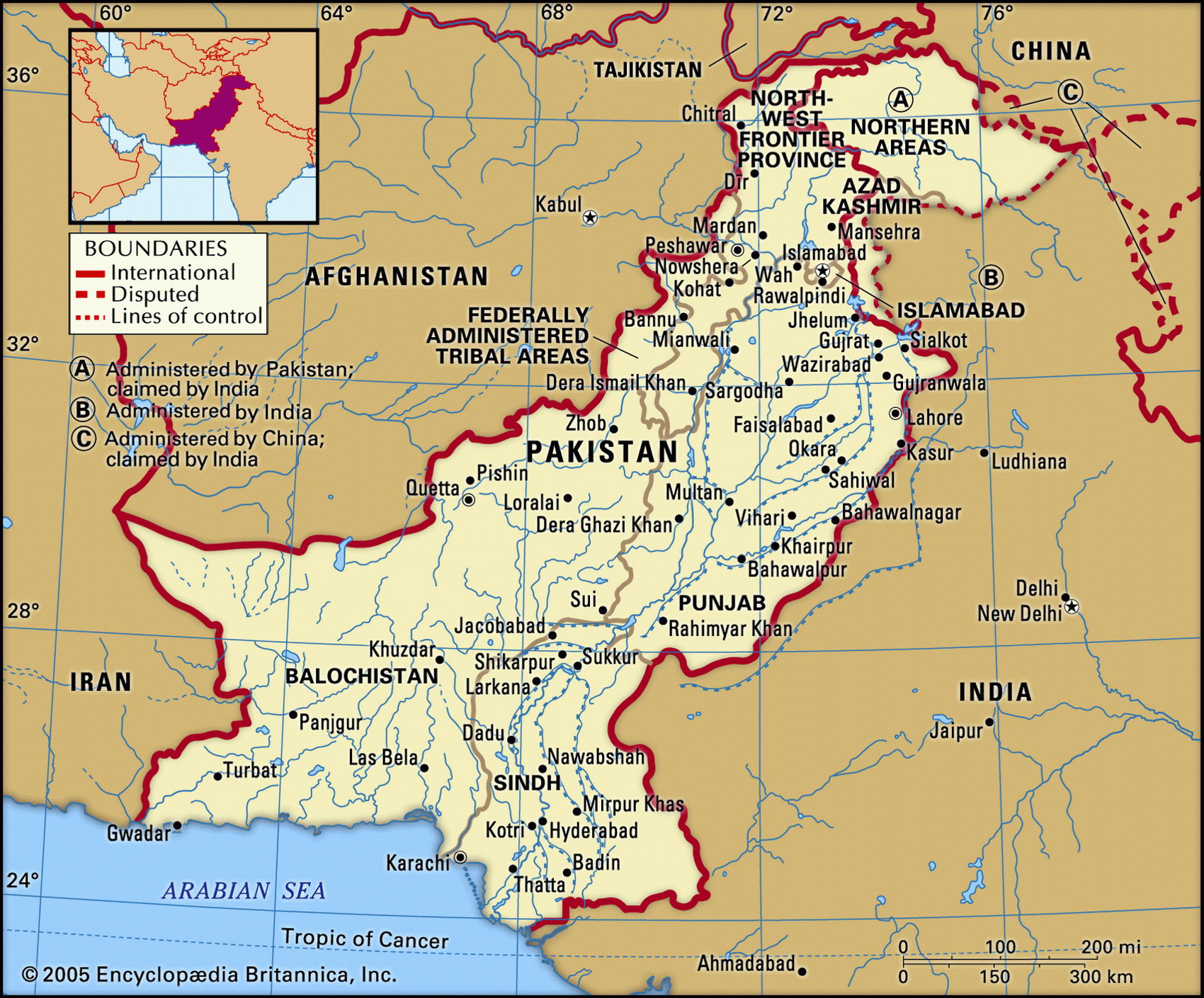
Dammam, sitting on the Persian Gulf coast in the oil-rich Eastern Province, serves as the primary gateway for engineers, refinery technicians, construction laborers, and medical staff working across Jubail, Khobar, and Dhahran. Riyadh, the political and financial capital in the center of the peninsula, absorbs a massive influx of white-collar consultants, retail workers, and domestic staff. Together, these two cities represent the backbone of bilateral passenger demand, rivaled only by Jeddah on the Red Sea coast.
Air India typically deploys a mix of widebody aircraft—such as the Boeing 787 Dreamliner and Boeing 777—alongside Airbus A320neo family jets on trunk routes from Delhi and Mumbai to Riyadh. Meanwhile, Air India Express operates high-density, single-aisle Boeing 737s connecting tier-two and tier-three Indian cities like Kozhikode, Kannur, Kochi, Mangaluru, and Tiruchirappalli directly to both Riyadh and Dammam.
Cutting both carriers out of these two airports simultaneously removes thousands of daily seats from the market overnight. Unlike a mechanical delay on a single aircraft, a coordinated suspension until November 7 requires an immediate, complex teardown of crew pairings, aircraft rotations, and airport slot allocations across at least a dozen Indian airports.
Why Riyadh and Dammam Specifically
Airspace closures and security advisories rarely affect an entire region uniformly. Aviation risk management relies on granular threat assessments—evaluating missile trajectories, drone corridors, GPS spoofing zones, and military radar coverage.
Flights between India and the eastern coast of Saudi Arabia must traverse the northern Arabian Sea, the Gulf of Oman, and the Persian Gulf. This narrow maritime bottleneck sits directly adjacent to some of the most contested airspace on the planet. When military tensions escalate in the Gulf, commercial airliners flying into Dammam must descend directly through low-altitude approaches over water just miles from active naval and aerial patrol zones.
Riyadh presents a different operational calculus. Situated inland, approaching Riyadh from the east still requires crossing the Gulf corridor, while rerouting south over Oman and the Rub' al Khali desert adds significant flight time and fuel burn. For a narrowbody Boeing 737 operated by Air India Express out of southern India, adding forty-five minutes of detour flying pushes the aircraft dangerously close to its maximum payload-range limits, particularly when fighting strong seasonal headwinds.
In airline operations, safety is binary, but route economics are elastic until they snap. Once war-risk insurance premiums spike and diversion paths become commercially unviable, halting operations becomes the only rational choice for a carrier's flight operations center.
The Invisible Hand of Aviation Insurance
Public statements from airlines almost always cite "operational reasons" or "prevailing security situations" when pulling flights. Rarely do executives mention the underwriters in London and Zurich who actually hold the keys to the runway.
Commercial airlines operate under strict hull and liability insurance policies. When intelligence agencies issue elevated threat warnings for specific flight information regions, aviation insurers issue a formal Notice of Cancellation for war-risk coverage within forty-eight to seventy-two hours. Carriers are then presented with a stark choice—ground the fleet on those routes, or pay exorbitant "additional premium" surcharges for every single takeoff and landing in the affected zone.
For a low-cost carrier like Air India Express, which competes on razor-thin margins against aggressive Gulf rivals, paying tens of thousands of dollars in extra war-risk premiums per flight wipes out the entire route's profitability before the cabin doors even close. Even for full-service Air India, absorbing those surcharges across multiple daily frequencies to Riyadh and Dammam creates an immediate financial bleed that cannot be recouped through last-minute ticket sales.
The Visa Clock and the Human Cost
While aviation analysts look at load factors and insurance premiums, the real crisis unfolds at check-in counters in Kochi, Mumbai, and Delhi. For a tourist traveling to London or Singapore, a four-day flight cancellation is an inconvenience covered by travel insurance and a hotel voucher. For a migrant worker heading to Dammam, a cancellation until November 7 can trigger a catastrophic legal and financial chain reaction.
Saudi employment visas and re-entry permits operate on strict, unforgiving timelines. Thousands of workers travel home to India on thirty- or sixty-day exit-re-entry visas. If a flight cancellation pushes a worker's return past the expiration date stamped in their passport, they cannot simply board the next available plane. Their employer in Saudi Arabia must manually apply for a visa extension through government portals—a bureaucratic process that often stalls if the employer is a small subcontractor or if the worker is switching sponsors.
Worse still are the passengers traveling on brand-new employment visas with fixed medical clearance windows. Medical certificates issued by Gulf-approved clinics in India carry strict validity periods. A multi-day disruption at the wrong moment forces workers to redo expensive medical tests and pay out-of-pocket for document re-attestation, eating up months of future wages before they even board a flight.
The Cascading Failure of Rebooking Promises
When airlines announce suspensions, their press releases invariably highlight two remedies—a full refund or a one-time complimentary date change. On paper, this looks fair. In practice, it leaves passengers stranded.
If a worker bought a round-trip ticket on Air India Express three months ago for ₹14,000, a full refund returns ₹14,000 to their bank account. However, because Air India and Air India Express have pulled out of the market until November 7, the remaining carriers operating between India and Saudi Arabia—primarily Saudia, flynas, IndiGo, and Gulf transit carriers like Emirates, Etihad, and Qatar Airways—experience an immediate, massive surge in demand.
Dynamic pricing algorithms respond to that demand spike within minutes. A one-way seat that cost ₹14,000 yesterday suddenly retails for ₹45,000 or ₹55,000. A full refund from the canceling airline covers less than a third of the replacement ticket. Meanwhile, taking the complimentary rescheduling option means waiting until after November 7, by which time seats on Air India's own flights are already heavily booked with passengers who had originally scheduled travel for the second week of November.
How Competitors Absorb the Shock
The immediate beneficiary of an Air India group withdrawal is the competition, yet even rival airlines face severe constraints when trying to absorb thousands of displaced passengers.
IndiGo, India's largest domestic carrier and a dominant force on Gulf routes, operates a massive fleet of Airbus A320neo and A321neo aircraft into both Riyadh and Dammam. However, IndiGo's Gulf schedules already run at near-maximum utilization, with load factors routinely exceeding eighty-five to ninety percent during the autumn travel rush. An airline cannot simply conjure spare aircraft and cockpit crews out of thin air to mount rescue flights when its entire fleet is locked into tight turnaround schedules.
Saudi carriers like Saudia and low-cost operator flynas hold substantial bilateral traffic rights, yet they operate under the exact same airspace security advisories. If the underlying threat assessment involves regional missile activity or airspace closures, foreign carriers face similar routing constraints, even if their home-base risk tolerance differs slightly from Indian aviation regulators.
That leaves the "Sixth Freedom" hub carriers—Emirates via Dubai, Qatar Airways via Doha, Etihad via Abu Dhabi, Gulf Air via Bahrain, and Oman Air via Muscat. Whenever direct point-to-point flights between India and Saudi Arabia falter, these hub airlines soak up the spillover traffic. Yet routing an Indian worker from Tiruchirappalli to Dammam via Doha or Dubai introduces transit visa complexities, longer travel times, and significantly higher fares that budget travelers can rarely afford.
The Tata Group Integration Stress Test
This suspension also arrives at a sensitive operational moment for the Tata Group's ongoing airline consolidation. Over the past two years, Tata has worked relentlessly to merge Vistara into Air India while simultaneously integrating AIX Connect (formerly AirAsia India) into Air India Express.
The strategic logic behind the merger was clear—eliminate route duplication, unify reservation systems, and deploy the right aircraft size for every market. In theory, a unified airline group should respond to external shocks with superior agility, shifting passengers seamlessly between its full-service and low-cost arms.
In reality, the Riyadh and Dammam shutdown exposes the friction points of a network still mid-transition. Air India Express operates on a point-to-point low-cost model with minimal interline infrastructure, while full-service Air India runs on a legacy hub-and-spoke passenger service system. When thousands of passengers need to be re-accommodated simultaneously across different Indian departure cities, reconciling fare classes, baggage allowances, and passenger name records between the two sister airlines creates massive bottlenecks at call centers and airport ticketing desks.
Furthermore, aircraft utilization takes a direct hit. Widebody jets pulled off the Delhi-Riyadh route cannot simply be parked on the tarmac at Indira Gandhi International Airport without bleeding money. Every hour a Boeing 787 sits idle on the ground costs the airline thousands of dollars in lease payments and lost revenue. Operations planners must scramble to redeploy those widebodies onto high-demand domestic trunk routes like Delhi-Mumbai or Delhi-Bengaluru, or add extra frequencies to unaffected international hubs like London or Singapore—a logistical puzzle that takes days to stabilize.
Navigating the Disruption as a Passenger
If you hold a confirmed booking on Air India or Air India Express to Riyadh or Dammam caught in this cancellation window, waiting passively for an automated email update is the worst move you can make. Airline automation prioritizes simple single-leg itineraries, leaving complex multi-city bookings or group reservations stuck in manual processing queues.
First, verify the exact status of your Passenger Name Record directly on the airline's official mobile app or website rather than relying on third-party online travel agencies. When mass cancellations occur, third-party booking portals often lag behind the airline's central reservation system by twelve to twenty-four hours, locking you out of self-service rebooking tools while seats on post-November 7 flights disappear.
Second, if your travel is time-sensitive due to an expiring Saudi visa, evaluate alternative arrival airports within the Kingdom. While Riyadh and Dammam are suspended, check if flights into Jeddah or Madinah remain operational. Saudi Arabia's high-speed Haramain railway and dense domestic flight network—served by Saudia, flynas, and flyadeal—allow travelers arriving on the Red Sea coast to reach Riyadh in under two hours by air, often for a fraction of the cost of a last-minute international ticket on a competing Gulf carrier.
Third, understand the mechanics of the airline's waiver policy before requesting a refund. Once you accept a monetary refund, the airline's contractual obligation to transport you terminates completely. If you instead hold onto your unflown ticket under an involuntary schedule change waiver, the carrier remains legally obligated to rebook you onto the next available flight in the same cabin class without charging you the fare difference—even if the current market price of that ticket has tripled.
The Structural Reality of Gulf Aviation
The aviation industry loves to project an image of clockwork precision, where sleek networks connect global capitals without interruption. The reality of the India-Middle East corridor is far grittier. It is a market built on high frequency, thin margins, and constant geopolitical exposure.
Airlines can upgrade their cabins, unify their branding, and optimize their booking algorithms, yet they remain entirely at the mercy of the airspace above the Persian Gulf. Until regional security stabilizes and insurers lower their risk ratings, multi-day suspensions like the November 7 halt to Riyadh and Dammam will remain a recurring hazard—one where airlines absorb the financial blow on their balance sheets, while millions of everyday travelers pay the true price at the terminal gate.