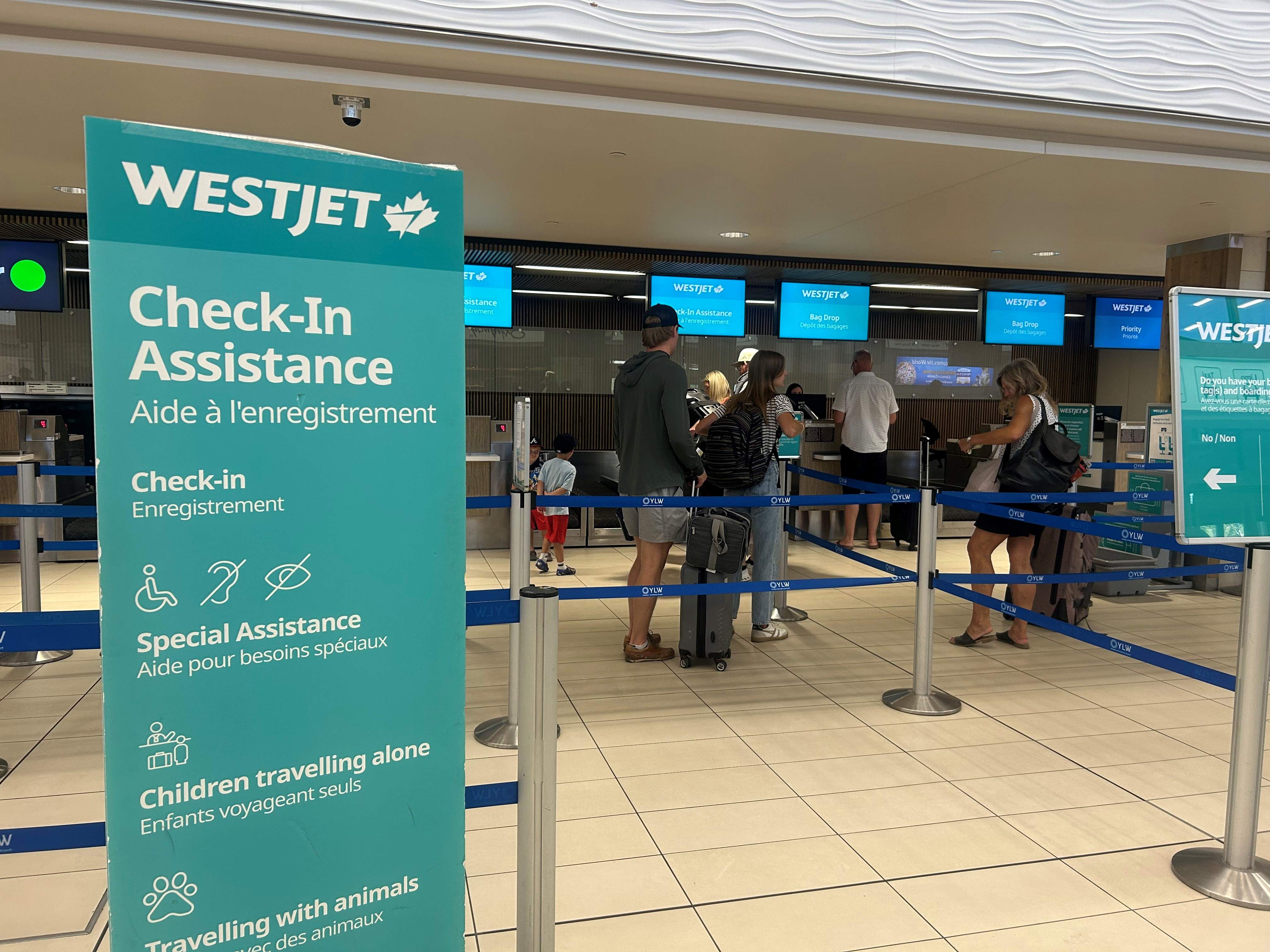
A looming airline strike does more than ground aircraft. It fractures the hidden logistics of specialized travelers who operate outside standard corporate itineraries. When labor disputes trigger pre-emptive schedule reductions, the collateral damage extends far beyond the typical vacationer. Consider the specialized niche of competitive animal handlers, whose entire calendar depends on precise, fragile timing.
An Edmonton-based dog trainer and competitor found herself facing a sudden financial hemorrhage totaling thousands of dollars. Scheduled to fly to an elite national canine agility championship, the looming threat of a WestJet cabin crew stoppage forced her hand. Instead of waiting for a cancellation that might strand her animals mid-journey, she scrambled to alter her routing. The resulting expenses mounted quickly. Extended hotel stays, surging holiday car rental rates, and rushed itinerary modifications created an ancillary debt load that eclipsed the cost of the original tickets.
This scenario highlights a systemic vulnerability in modern commercial aviation. Passengers caught in the crossfire of union-management standoffs absorb costs that airlines and regulatory frameworks fail to address.
The Anatomy of Pre-Emptive Disruption
Airlines facing potential job action rarely wait for the strike deadline to dismantle their schedules. They dismantle networks pre-emptively. By grounding aircraft days in advance, carriers attempt to position equipment and crews to prevent catastrophic system-wide gridlock.
Yet this operational self-preservation creates secondary chaos for the consumer. When a carrier issues a flexible travel advisory allowing one-time changes without direct penalties, the fine print reveals a harsher economic reality. While the airline waives its administrative change fee, the underlying fare difference remains the customer's burden.
If the next available seat sits in a higher pricing tier, the passenger pays the premium. For travelers bound to rigid event dates, such as sports competitors, performers, or conference presenters, flexibility is an illusion. They cannot simply postpone their trip by a week. They must arrive before the curtain rises or the first competition heat begins. This rigidity leaves them entirely vulnerable to surging last-minute market rates.
The Regulatory Grey Area of Labor Disputes
Consumer protection laws provide cold comfort during a labor crisis. Under many regional aviation frameworks, flight disruptions stemming from labor disputes are classified as events outside the airline's direct control. This classification routinely exempts carriers from paying mandatory cash compensation for delays and cancellations.
Airlines are obligated to offer reaccommodation or a refund, but they are not required to cover secondary expenses like non-refundable hotel deposits, rental car price spikes, or specialized pet care boarding fees incurred due to schedule shifts. Passengers are left to navigate a labyrinth of travel insurance policies, many of which contain strict exclusions for labor strikes that were considered a "known event" prior to policy purchase.
If a traveler buys insurance after a strike notice becomes public, coverage for that specific disruption is often denied. The timing trap punishes proactive consumers and rewards institutional inertia.
The Hidden Logistical Nightmare for Niche Industries
Standard travel advice assumes a high degree of elasticity. Corporate flyers can reschedule meetings; leisure travelers can pivot to a different beach resort. Specialized industries possess zero elasticity.
Transporting live animals adds layers of regulatory compliance, temperature-controlled cargo bookings, and health documentation that cannot be transferred to a different carrier on short notice. When a competitor panics and rebooks an itinerary four days early to outrun a strike threat, they are not just buying a new plane ticket. They are triggering a domino effect of unbudgeted hospitality and logistical overhead.
- Accommodation inflation: Booking extra nights during a long weekend skyrockets lodging expenditures.
- Vehicle scarcity: Last-minute multi-day car rentals during peak periods often face complete inventory depletion or double-rate pricing.
- Operational downtime: Days lost waiting at a destination before an event disrupt small business revenue streams and daily operations.
The financial burden thus shifts downward, landing squarely on the shoulders of independent operators and small business owners who lack corporate expense accounts to absorb the shock.
Navigating the Volatility Trap
Mitigating risk in an unstable aviation environment requires shifting away from traditional booking habits. Relying solely on a single carrier during contract negotiation season introduces unacceptable exposure. Savvy travelers increasingly split itineraries across distinct alliances or maintain contingency funds specifically earmarked for operational disruptions.
When structural labor instability becomes a recurring feature of the commercial aviation sector, the true cost of flying is revealed not in the base ticket price, but in the hidden liabilities carried by the passenger when the system breaks down.