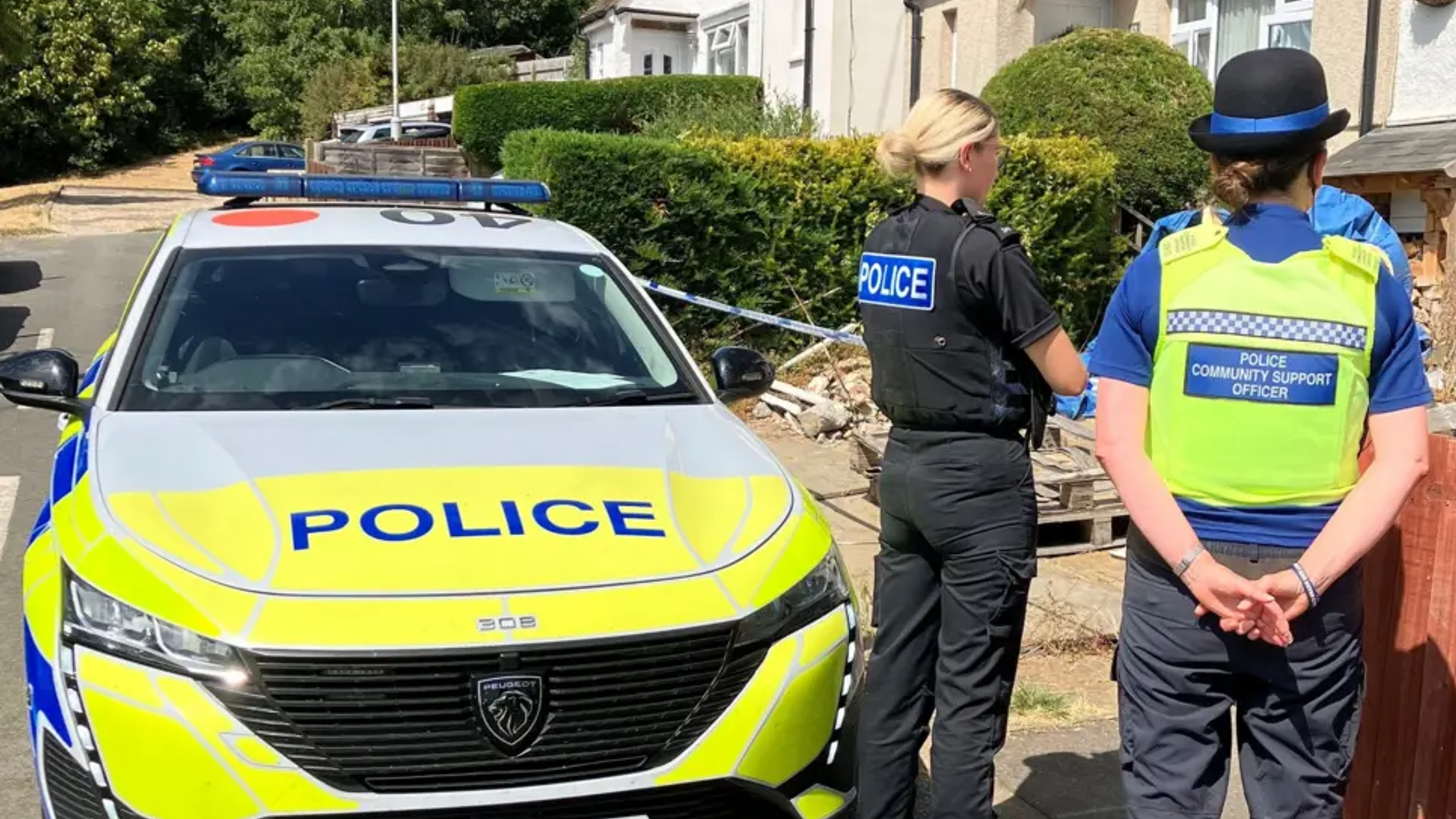
The initial dispatch sounded routine to the weary ears of dispatchers and patrol units alike. A late-night call reporting a burglary in progress on Soulbury Road in Linslade, Leighton Buzzard, drew an immediate response. Police cruisers arrived under the cover of darkness expecting property crime, forced entry, or a panicked homeowner. Instead, officers walked into a homicide scene.
A seventeen-year-old boy lay unresponsive inside. Despite immediate first aid rendered by emergency services, the teenager was pronounced dead shortly afterward. Within hours, Bedfordshire Police clarified a chilling detail that shifted the entire trajectory of the case: subsequent inquiries found zero evidence that the victim was carrying out or attempting any burglary. The emergency call was a red herring, an initial framing that completely misrepresented the grim reality unfolding behind closed doors.
Dissecting the Initial Response and the Burglary Myth
In criminal investigations, the narrative established by the first phone call frequently dictates public perception before facts can catch up. When a 999 call reports a burglary, law enforcement response protocols pivot toward containment, searching for intruders, and securing perimeter exits.
Yet, investigators from the Bedfordshire, Cambridgeshire, and Hertfordshire Major Crime Unit quickly realized that the premise of a break-in did not hold up under scrutiny. Forensic teams, neighborhood canvasses, and CCTV retrievals dismantled the burglary hypothesis almost as rapidly as it was formed.
One man was arrested directly at the scene on suspicion of murder, while three additional men were taken into custody in connection with the incident. This was not a botched residential robbery gone wrong. This was a targeted violent encounter disguised or misinterpreted at the point of origin.
The Weight of Community Panic and Misinformation
Local communities absorb shockwaves instantly when blue lights flood residential streets late at night. Rumors travel faster than verified police briefings, warping neighborhood WhatsApp groups and local social media feeds into echo chambers of anxiety. Detective Inspector Caeva Taylor acknowledged the acute concern rippling through Leighton Buzzard, emphasizing that specialized teams are laboring to reconstruct the sequence of events leading up to the fatal night.
When an adolescent loses his life under ambiguous circumstances, the demand for transparency clashes against the methodical pace of forensic pathology and interrogation. Toxicology reports, digital footprint analysis from mobile devices, and witness testimonies take days or weeks to solidify. The public wants immediate answers, but criminal justice demands evidentiary proof that survives courtroom scrutiny.
Examining the Mechanics of Major Crime Inquiries
Reconstructing a homicide investigation from a distorted initial call requires reverse-engineering the timeline. Investigators must strip away the noise of the first dispatch log.
- Establishing the Origin: Tracking who placed the initial 999 call and determining their relationship to the occupants of the address.
- Corroborating Physical Evidence: Matching forensic traces, defensive wounds, or weapon recovery against suspect statements.
- Digital Forensics: Extracting deleted messages, location pings, and CCTV angles from neighboring properties to establish who was where and when.
In cases where suspects are detained rapidly, the interrogation phase shifts from searching for unknowns to testing alibis against physical traces. Four individuals in custody or assisting police indicate a multi-party dynamic. Whether the altercation involved a sudden escalation of hostility or a pre-arranged confrontation remains under active investigation by senior detectives.
The Broader Reality of Violent Crime Reporting
Media outlets frequently latch onto sensational initial hooks—such as burglaries turning deadly—because those headlines grab immediate attention. However, seasoned analysts know that the first headline is rarely the final truth. The evolution from a reported property crime to a major homicide probe highlights systemic flaws in how emergency information is filtered under duress.
As Operation Breakwater continues to gather momentum, detectives urge anyone with doorbell footage or eyewitness accounts to step forward. The community waits for clarity, bound by the sobering realization that a young life ended abruptly behind a smokescreen of misleading distress calls.
The absolute truth of what transpired inside that Linslade property will ultimately emerge through courtrooms and formal indictments, leaving a grieving family to reckon with an irreversible absence while the machinery of justice grinds slowly forward.
Bedfordshire Police launch investigation
This official police update provides direct context on the active investigation into the Linslade incident and details the correction regarding the initial burglary report.