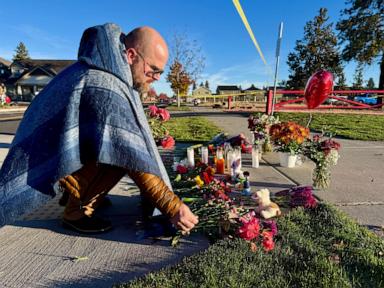
When a 16-year-old gunman opened fire inside Silver Rail Elementary School in Bend, Oregon, on October 15, 2026, killing three young students and a teacher while leaving two survivors hospitalized, the immediate grief across the community quickly collided with a harder investigative question. How does a modern school built in 2015, equipped with secure vestibules, electronic check-in systems, armed school resource officers, and post-Uvalde switch-locked classroom doors, still fail to stop an attacker within seconds?
Conventional wire dispatches capture the raw shock of a town mourning four dead and praying for two wounded survivors. Yet twenty-five years of covering school tragedies across the Pacific Northwest—from the 1998 Thurston High shooting in Springfield to modern campus lockdowns—teaches a grim lesson. Grief fades from headlines fast. Structural flaws do not.
What Happened Inside Silver Rail Elementary School
The attack unfolded in a matter of minutes during what was supposed to be picture day at Silver Rail Elementary. Shortly before one o'clock in the afternoon, police received calls about a gunman firing at a pickup truck in the school parking lot. Within moments, the shooter—identified by authorities as 16-year-old Griffin J. John II, a former student—crossed onto school grounds armed with a 12-gauge shotgun.
Rather than queuing up at a controlled visitor entrance, the assailant shot out glass panels on locked double doors to force his way inside. He moved immediately to the first classroom on the left, a special education room where children and staff were working. Three children—ages five, eight, and eleven—and a teacher were killed. Two others, a young student and a teaching assistant, suffered severe injuries and were hospitalized.
A building designed to screen polite visitors cannot stop a determined attacker willing to shatter glass with gunfire in the first thirty seconds.
Inside that classroom, teacher Cassidy Schutz fought back, tackling the gunman and throwing her cell phone at him. Outside, Kaylub Giamanco, a father of two students at the school who held a concealed carry permit, saw the forced entry, retrieved his pistol from his vehicle, crawled through broken door glass, and fatally shot the attacker. Police arrived at 1:02 p.m., just two minutes after the first calls reporting an intruder inside the building.
Why Modern School Security Keeps Breaking Down
Ask any school board member or facility architect why a ten-year-old campus still gets breached, and you will hear a familiar checklist of hardware. Silver Rail Elementary had almost all of it. Visitors entered through secure vestibules, checked in electronically against background screening, and faced camera monitoring. Voters had even approved upgraded classroom door locks after the 2022 Uvalde shooting.
Here is the uncomfortable reality that district brochures rarely admit. Access control assumes compliance. A buzzer system and a sign-in kiosk work well when an anxious parent arrives late with a forgotten lunchbox. They do almost nothing against an armed teenager firing a shotgun at glass panels.
Consider a hypothetical school district that spends millions of dollars installing magnetic locks, buzzers, and keycard readers on every exterior door, yet leaves standard tempered or annealed glass panels right next to the latch. A single blow or shotgun blast opens a physical path inside in seconds. Hardening a perimeter is an engineering problem of delay time, not an absolute wall. Every second a barrier slows an attacker buys time for police dispatch, classroom lockdowns, and staff evacuation.
When entry glass fails immediately, the timeline compresses brutally. In Bend, the gunman bypassed the vestibule logic entirely. Even with officers arriving at 1:02 p.m. and a bystander intervening inside the room, fatal shots had already been fired.
The Myth of Post-Tragedy Hardware Fixes
After every major shooting, districts rush to buy new gear. Cameras go up. Locks get replaced. Panic buttons get wired.
Hardware alone creates a false sense of security if staff training, blind spots, and vulnerability of special-needs spaces are ignored. Special education classrooms often face unique layout challenges—wide doorways for mobility equipment, sensory accommodations, and aides moving between rooms—that make rapid barricading harder when an attacker strikes without warning.
| Security Layer | Intended Purpose | Real-World Limit in Bend |
|---|---|---|
| Secure vestibules and electronic check-in | Screen visitors before entering hallways | Bypassed when gunman shot out glass panels on doors |
| Classroom switch locks | Allow rapid lockdown from inside room | Attacker was already inside the first classroom on the left |
| Armed civilian intervention | Stop an active threat rapidly | Prevented further escalation, but could not undo initial shots |
| Rapid police dispatch (2-minute response) | Neutralize threat and render aid | Arrived at 1:02 p.m. after fatal violence had occurred |
Armed Bystanders and the Perils of Hero Narratives
Few aspects of the Bend shooting have drawn sharper debate than the actions of Kaylub Giamanco. By every account from law enforcement and witnesses, Giamanco stepped into a nightmare to protect children. He saw a gunman force entry, retrieved his legally stored .40-caliber handgun from his truck, crawled past shattered glass, and shot the assailant who was struggling with a teacher and reaching for his shotgun.
Local leaders and parents rightly recognized the courage it took to cross that threshold. Yet veterans of active-shooter investigations urge caution before turning any single civilian intervention into a universal policy blueprint.
First, fog of war is real inside a chaotic building. When sirens wail and gunshots echo through hallways, arriving police officers do not know every armed citizen on site. In past incidents across the country, tragedy has compounded when responders misidentify a well-meaning armed bystander as a second shooter.
Second, relying on chance—a parent happening to be nearby, having a firearm accessible in a vehicle, and possessing the composure to take a clean shot without hitting a struggling teacher—is not a systemic safeguard. Protection cannot rest on luck.
At the same time, critics who dismiss armed defense out of hand ignore what happened inside that classroom. The gunman still carried dozens of extra rounds. Stopping him abruptly ended the immediate threat before more rooms could be targeted. Honest analysis requires holding both truths at once: courage in a crisis is real, and luck is no substitute for prevention.
How a 16-Year-Old Gets a Shotgun and What Comes Next
Any serious accounting of the Bend tragedy has to look beyond the school doors to the supply chain and warning signs outside them. A 16-year-old does not walk into a licensed dealer and legally buy a 12-gauge shotgun on his own. Investigators and attorneys representing victims have already signaled they will examine where the weapon came from, how it was stored or acquired, and what systemic gaps preceded the attack.
In almost every school shooting investigation I have tracked over the past quarter-century, two questions surface within days:
- Access to firearms: Was a gun left unsecured at home, transferred informally, or obtained through another channel without effective safe-storage barriers?
- Behavioral red flags: Did the teenager show escalating warning signs—online, at school, or in family life—that went unreported or disconnected from intervention services?
Civil litigation is already taking shape as families and legal counsel scrutinize whether security measures, institutional oversight, or access points fell short. Meanwhile, medical recovery stretches far beyond the initial news cycle. A wounded teaching assistant faces multiple surgeries to recover hand function, and an injured child continues healing at home after intensive care.
Practical Steps Communities Should Demand Right Now
Mourning is essential, and Bend's vigils, fundraisers, and solidarity reflect a community trying to hold itself together after an unthinkable blow. Still, compassion without accountability leaves the next school exposed.
Parents, educators, and local officials have concrete levers they can press immediately:
- Audit glass and entry points: Demand independent assessments of exterior door glazing, side lights, and first-room sightlines rather than taking "secure vestibule" labels at face value.
- Enforce strict firearm storage: Push for clear accountability and practical safe-storage standards in homes with minors so teenagers cannot easily access shotguns or handguns.
- Fund early threat intervention: Insist that districts pair physical security with trained counselors, threat-assessment teams, and clear reporting channels before crisis escalates into violence.
- Support long-term survivors: Keep attention and resources focused on hospitalized and recovering victims months after cameras leave town, when physical rehab and trauma care grow hardest.
Security checklists never prevent every horror, and no single reform is a cure-all. Real protection starts when communities stop mistaking lock hardware for safety and start fixing the vulnerabilities they would rather not face.



