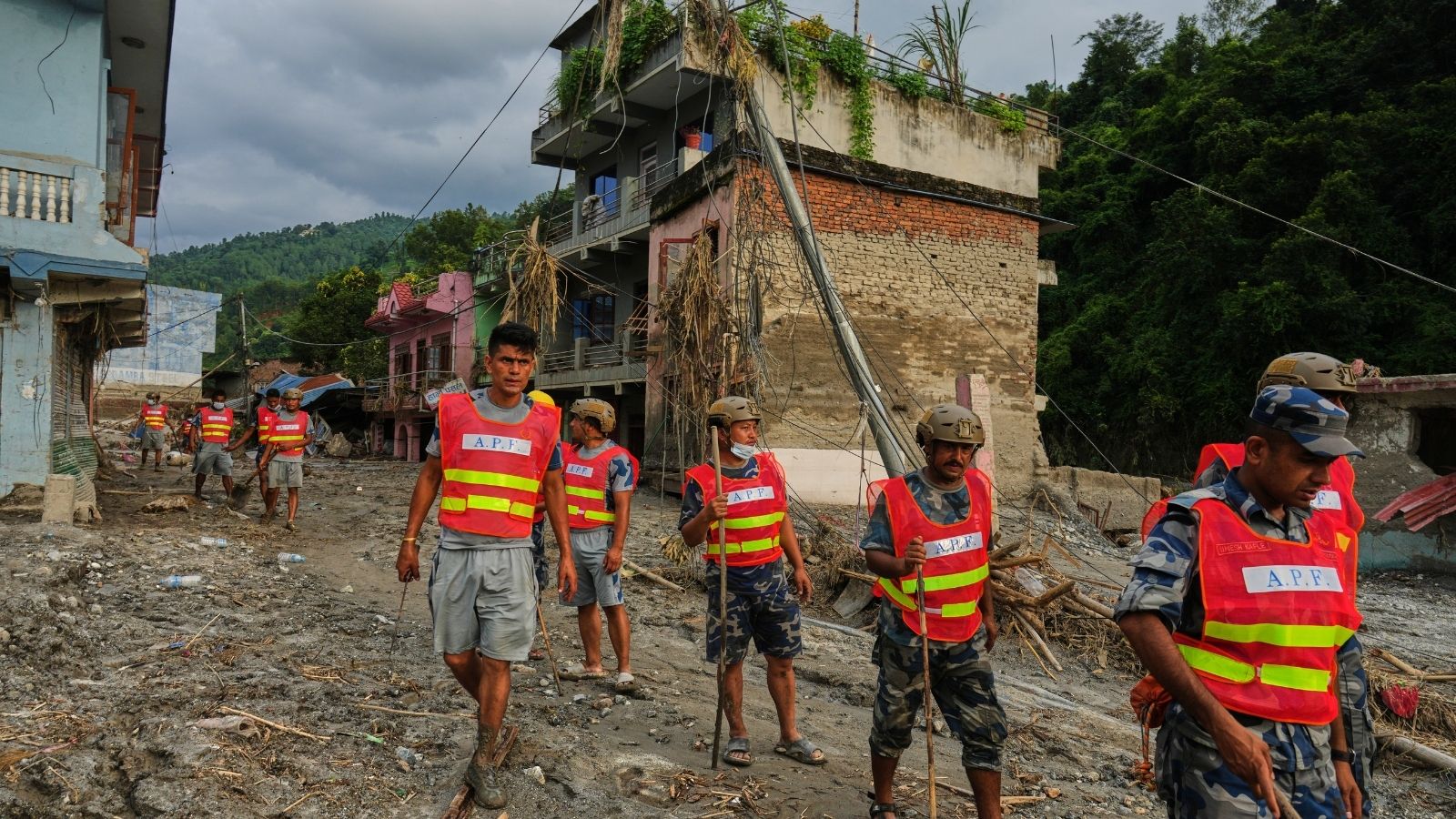
A wall of mud, boulders, and raging water tore down the Bhotekoshi and Trishuli river systems without warning. Entire communities vanished in minutes. The official death toll in Nepal has climbed to 579, while nearly 2,000 people remain unaccounted for. This isn't just a standard monsoon season disaster. It's a catastrophic high-altitude event that caught the entire region off guard.
If you're tracking the aftermath of the Nepal flash floods, you already know the numbers change by the hour. Let's look past the breaking news tickers to understand what actually happened, why the casualty count is so catastrophic, and how rescue teams are fighting to find survivors in the rubble.
What Triggered the Catastrophe
The disaster began near the Tibet-Nepal border. A high-altitude glacier collapse sent an ice-rock avalanche crashing down into high-altitude water systems. That sudden displacement created an immense wall of water that slammed through river gorges with terrifying speed.
When a glacial lake outburst or high-altitude avalanche happens, downstream communities have virtually zero reaction time. Water levels rose vertically by meters in a matter of seconds. Power projects, remote trekking routes, and roadside settlements bore the absolute brunt of the impact.
- Over 15,000 security personnel from the Nepal Army, Nepal Police, and Armed Police Force were immediately mobilized.
- Helicopters have airlifted thousands of survivors from isolated pockets.
- Infrastructure damage includes dozens of washed-out bridges and completely blocked mountain highways.
The Human Toll and the Missing Count
The sheer scale of the missing persons list is staggering. According to Nepal's National Disaster Risk Reduction and Management Authority (NDRRMA), the missing count sits at 1,924.
This group includes a heartbreaking cross-section of locals, foreign tourists, and migrant workers. Hundreds of workers stationed at major hydropower projects along the river corridors were caught inside tunnels and camps. For instance, operations at sites like the Upper Trishuli-1 Hydropower Project turned into nightmarish rescue missions as workers became trapped under thick, heavy layers of wet silt.
Foreign nationals are heavily represented among the missing and stranded. Pilgrims traveling toward sacred sites in Tibet, independent trekkers, and adventure tourists found themselves cut off when bridges collapsed and roads dissolved. Governments across South Asia, particularly India, are scrambling to trace hundreds of their citizens who were visiting or working in the disaster zones.
The Logistics of a Mountain Rescue
Searching for survivors across vertical Himalayan terrain is an organizational nightmare. Roads are gone. Communication lines are severed. Rescuers are forced to dig through meters of dense sediment by hand because heavy machinery can't reach the narrow gorges.
In places like Chitwan and Nawalparasi East, bodies have been recovered far downstream, carried dozens of miles by the ferocious current. Meanwhile, rescue squads are using drones to spot trapped survivors on isolated patches of land, lowering ropes and medical kits where helicopters cannot safely land.
Compounding the crisis, secondary threats emerged immediately after the initial surge. Authorities issued urgent warnings regarding newly formed barrier lakes near the border that threatened to burst and send subsequent waves down the valley. These warnings forced temporary halts to ground rescue operations, agonizing families waiting near evacuation points.
How Authorities and Relief Networks Are Responding
The government of Nepal has rejected claims of refusing international assistance while coordinating specialized aid, deployment of medical teams, and emergency food supplies. Field hospitals are operating around the clock to treat severe trauma, hypothermia, and waterborne infection risks among survivors pulled from the mud.
International bodies, including United Nations agencies, note that tens of thousands of people require immediate humanitarian assistance. Schools, community halls, and temporary camps are overflowing with displaced families who have lost everything they own.
If you have loved ones traveling in the region or need to check official status updates, rely strictly on verified channels. The Nepal Tourism Board and local emergency operations centers maintain active helplines for status verification. Relief funds managed by international humanitarian organizations are currently directing food, clean water, and medical gear straight to the cutoff districts. Check official government updates rather than unverified social media lists to track missing persons or offer targeted support.