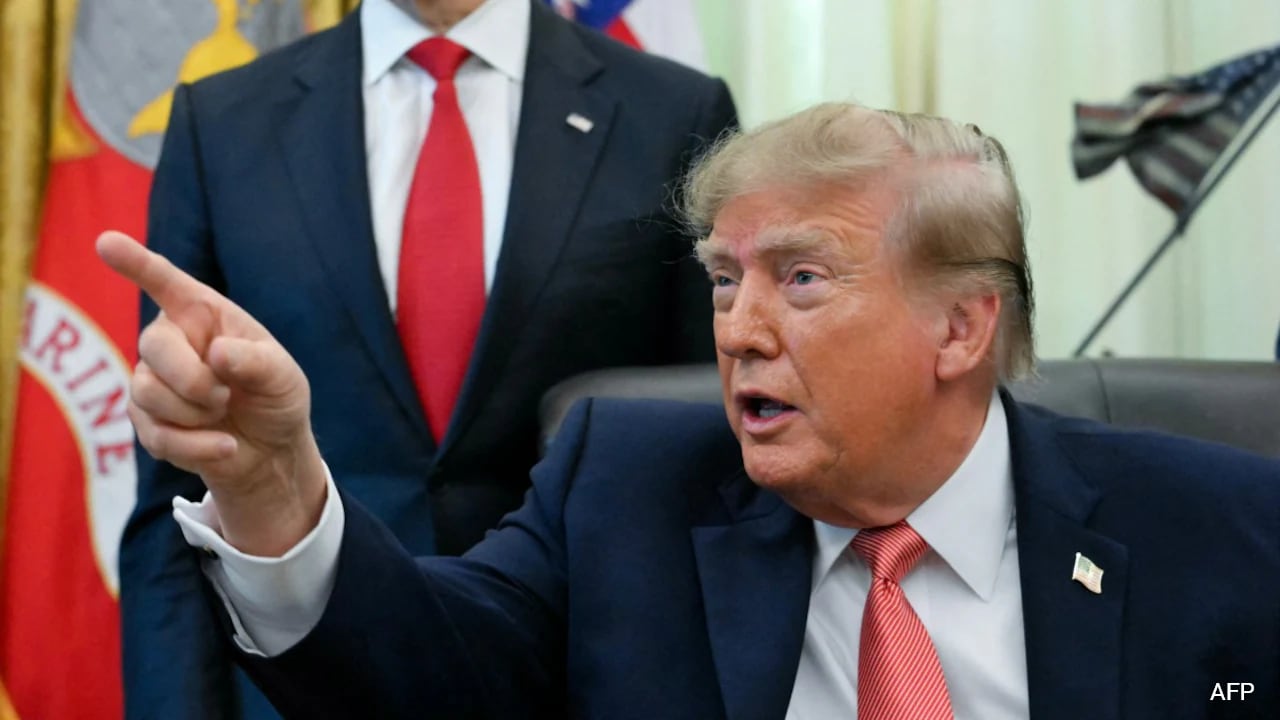
Donald Trump spent years targeting the Pulitzer Prize Board with letters and legal actions, demanding the revocation of the 2018 National Reporting prizes awarded to The New York Times and The Washington Post for their coverage of Russian interference in the 2016 election. Beyond insisting that those awards be rescinded, Trump repeatedly framed his own statements, social media posts, and public letters as written work deserving of journalism's highest honors. The effort was not merely an outburst on social media. It formed part of a calculated legal strategy aimed at challenging established media protections.
Understanding this campaign requires looking beyond political spectacle. It represents a systematic attempt to turn institutional recognition upside down while testing the boundaries of American defamation law. If you enjoyed this post, you might want to look at: this related article.
The Anatomy of a High-Stakes Defamation Lawsuit
The dispute escalated when Trump filed a formal defamation lawsuit in Florida state court against individual members of the Pulitzer Prize Board. The legal strategy bypassed standard public relations complaints, targeting board members in their individual capacities.
Trump claimed that a statement released by the Pulitzer Board in July 2022 was defamatory. That statement had reaffirmed the 2018 awards following two independent reviews, concluding that subsequent facts did not invalidate the reporting. For another look on this story, see the latest coverage from TIME.
┌────────────────────────────────────────────────────────┐
│                   LEGAL CHRONOLOGY                     │
├────────────────────────────────────────────────────────┤
│ 2018: Pulitzer awarded for Russia election reporting   │
│ 2021: Trump formally requests revocation of prizes     │
│ 2022: Pulitzer Board completes review; keeps awards    │
│ 2022: Defamation lawsuit filed in Florida state court  │
│ 2025: Florida Appeals Court permits suit to proceed    │
└────────────────────────────────────────────────────────┘
The lawsuit turned on a crucial legal wedge. By suing individual board members rather than a single corporate entity, the defense faced complex jurisdictional challenges across state lines. In early 2025, Florida’s Fourth District Court of Appeal ruled that the case could proceed past initial motions to dismiss. That ruling did not validate the underlying defamation claims. It simply established that Florida courts held personal jurisdiction over the board members.
Challenging the Legal Bedrock of American Media
The legal maneuver targets a specific cornerstone of press freedom: New York Times Co. v. Sullivan. Established by the Supreme Court in 1964, the standard requires public figures to prove actual malice—that a statement was made with knowledge of its falsity or with reckless disregard for the truth.
Litigation against prize boards and newsrooms serves multiple strategic purposes:
- Financial Strain: Defending long-running defamation lawsuits generates massive legal expenses, even when claims lack substantive merit.
- Institutional Caution: Prolonged legal disputes create friction within investigative newsrooms and selection committees.
- Narrative Control: Active litigation allows public figures to claim that established reporting remains legally contested.
In the appellate court's concurring opinion, judges explicit noted the broader legal objective: offering lower-court commentary urging the Supreme Court to re-examine the actual malice doctrine.
Rewriting the Rules of Institutional Authority
Beyond courtrooms, the campaign reflects a broader effort to undermine legacy media institutions. Demanding that personal political commentary receive parity with professional investigative journalism attempts to redefine what constitutes authoritative writing.
When media watchdog groups and constitutional attorneys analyzed the campaign, many noted its long-term objective. The goal was never simply winning a medal or securing a plaque. By mounting persistent legal challenges, the effort seeks to force traditional gatekeepers into endless defensive posture, systematically eroding the boundary between vetted reporting and political rhetoric.
The lawsuit remains an ongoing test of how far public figures can use state courts to pressure national press institutions. As long as the actual malice standard remains under legal pressure, prize boards and newsrooms face an increasingly litigious environment where every credential and award can become a battleground.