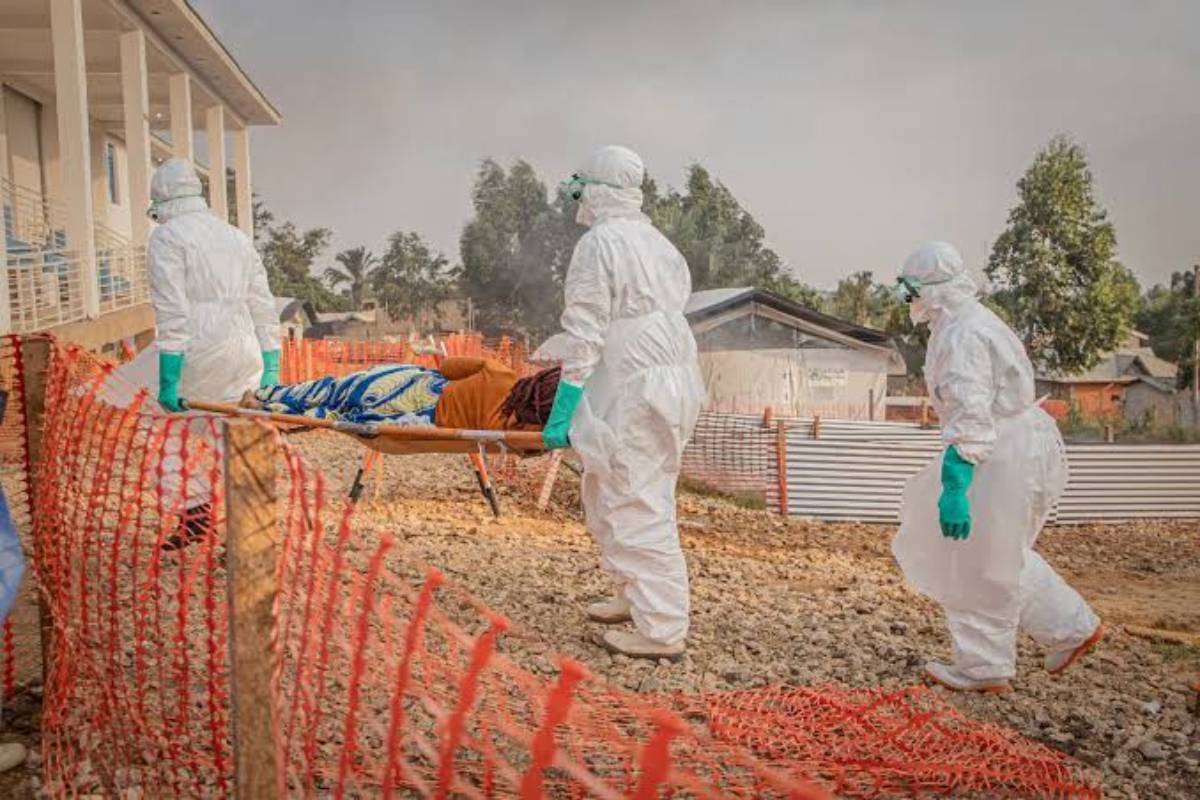
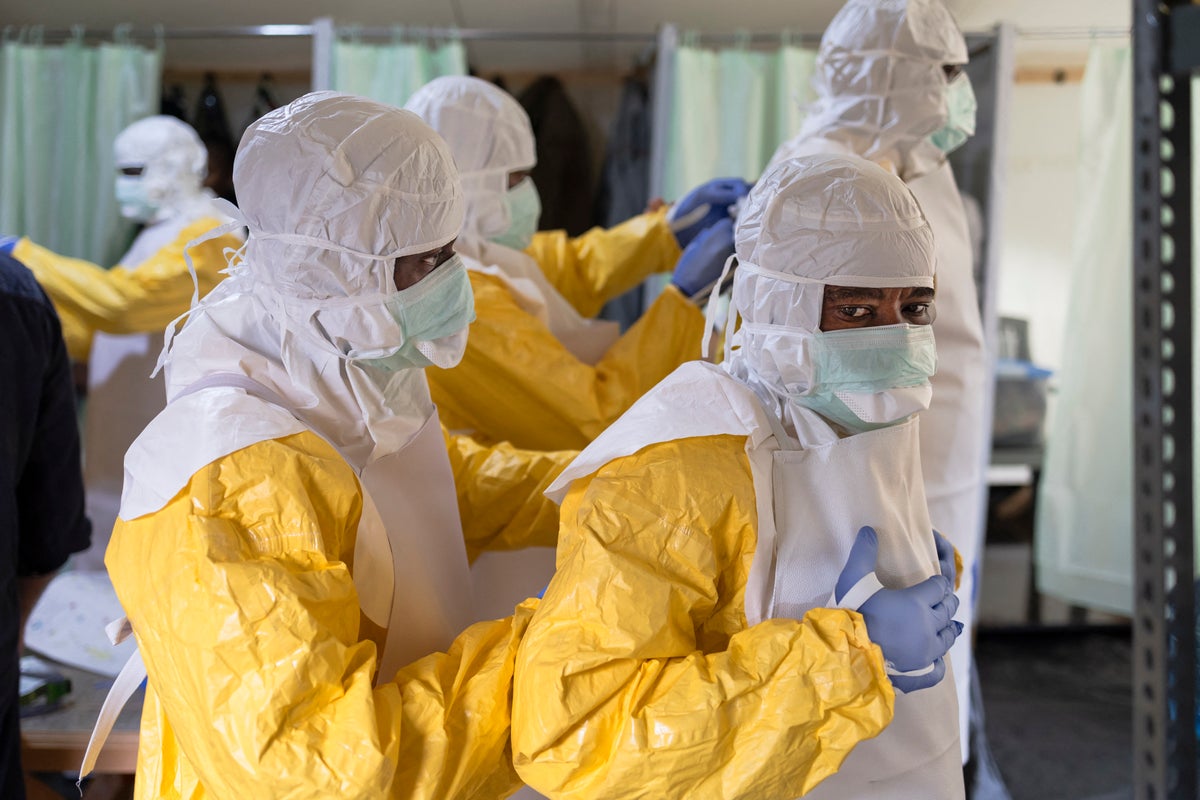
A US citizen has tested positive for Ebola in Africa, triggering immediate containment protocols by the Centers for Disease Control and Prevention. While official press releases frame the incident as a controlled, isolated event, the reality on the ground points to a much larger systemic vulnerability. Public health infrastructure is cracking under the weight of geopolitical instability, supply chain friction, and dwindling international funding. This single infection is not just a isolated medical case. It is a stark warning that the global safety net designed to keep hemorrhagic fevers at bay is failing.
The Broken Mechanics of Modern Biosecurity
Tracking a pathogen like Ebola requires speed, trust, and flawless logistics. When an infection occurs, contact tracing must begin within hours to prevent an exponential surge.
The current framework relies heavily on rapid diagnostic tests and immediate isolation. However, the operational reality in remote regions often subverts these protocols. Local clinics frequently lack reliable electricity to store sensitive reagents. Personnel face immense hurdles, ranging from broken transport networks to distrust from local communities who view foreign medical interventions with suspicion.
[Infection Detected]
       │
       ▼
[Contact Tracing] ──► Delays due to infrastructure gaps
       │
       ▼
[Isolation Protocols] ──► Compromised by resource scarcity
       │
       ▼
[Regional Outbreak Risk]
When a Western national contracts the virus, resources are quickly deployed for medical evacuation. This creates a stark disparity in care. While a single high-profile patient receives state-of-the-art experimental therapeutics and secure transport, the local population continues to rely on overwhelmed community health centers. This uneven distribution of medical security undermines the exact community trust required to catch outbreaks early.
The Dangerous Illusion of Eradication
International health agencies often celebrate the end of specific outbreaks, creating a false sense of security among global policymakers. Ebola is zoonotic, meaning it permanently resides in animal reservoirs, particularly fruit bats. It cannot be eradicated.
Deforestation, mining, and agricultural expansion are pushing human settlements deeper into these pristine ecosystems. Every new road cut through a rainforest increases the frequency of human-animal interactions. This accelerated contact creates a numbers game that humanity will eventually lose if surveillance methods do not evolve.
Vaccines like Ervebo have proven highly effective, but they are tools for reactive management rather than proactive prevention. Ring vaccination campaigns—vaccinating everyone around an infected individual—work beautifully on paper. In practice, finding every contact in a highly mobile, migrant population is nearly impossible.
Funding Whack-a-Mole
Global health financing operates on a reactive cycle of panic and neglect. Money floods into infectious disease research during a major headline crisis, only to dry up entirely once the immediate threat fades from western news cycles.
This erratic funding model destroys the continuity needed for long-term biosecurity. Experienced local epidemiologists are laid off between outbreaks. Laboratories lose their maintenance contracts, leaving high-tech diagnostic equipment to gather dust in tropical humidity. When the next positive case inevitably emerges, teams are forced to rebuild their operational infrastructure from scratch.
A permanent, well-funded surveillance network is far cheaper than launching a multi-billion-dollar emergency response every few years. Yet, international donors consistently choose the politically expedient route of short-term emergency grants over sustained infrastructure investment.
The Threat to Domestic Borders
Many Western observers view Ebola as a distant problem confined to specific geographic zones. That perspective ignores the reality of modern aviation networks.
A person exposed to the virus can easily board an international flight before showing any symptoms. The incubation period lasts anywhere from 2 to 21 days. Thermal scanners at airports are entirely ineffective during this asymptomatic window. If an individual develops symptoms after arriving in a major global transit hub, the tracking burden shifts instantly to domestic hospital systems that are utterly unprepared for high-consequence pathogens.
Most community hospitals in the West lack the specialized isolation units and intensive staff training required to handle a hemorrhagic fever without cross-contaminating other wards. The economic and social panic resulting from even a minor domestic transmission event would cause widespread disruption to trade and travel.
Fixing the Response Model
True biosecurity cannot be achieved by building walls or relying solely on emergency evacuations. It requires a fundamental shift in how global health agencies interact with sovereign nations facing endemic threats.
- Decentralize Diagnostic Power: Move PCR testing capabilities out of capital cities and directly into rural border clinics to slash verification times from days to minutes.
- Stabilize the Supply Chain: Establish regional stockpiles of personal protective equipment and therapeutics that are managed by local authorities rather than distant international entities.
- Invest in Human Capital: Provide permanent, well-paying careers for local community health workers who hold the cultural trust necessary to execute effective contact tracing.
Relying on a strategy of containment-by-crisis guarantees that eventually a pathogen will slip through the gaps. True prevention requires fortifying the weakest links in the global health chain long before the next notification arrives.