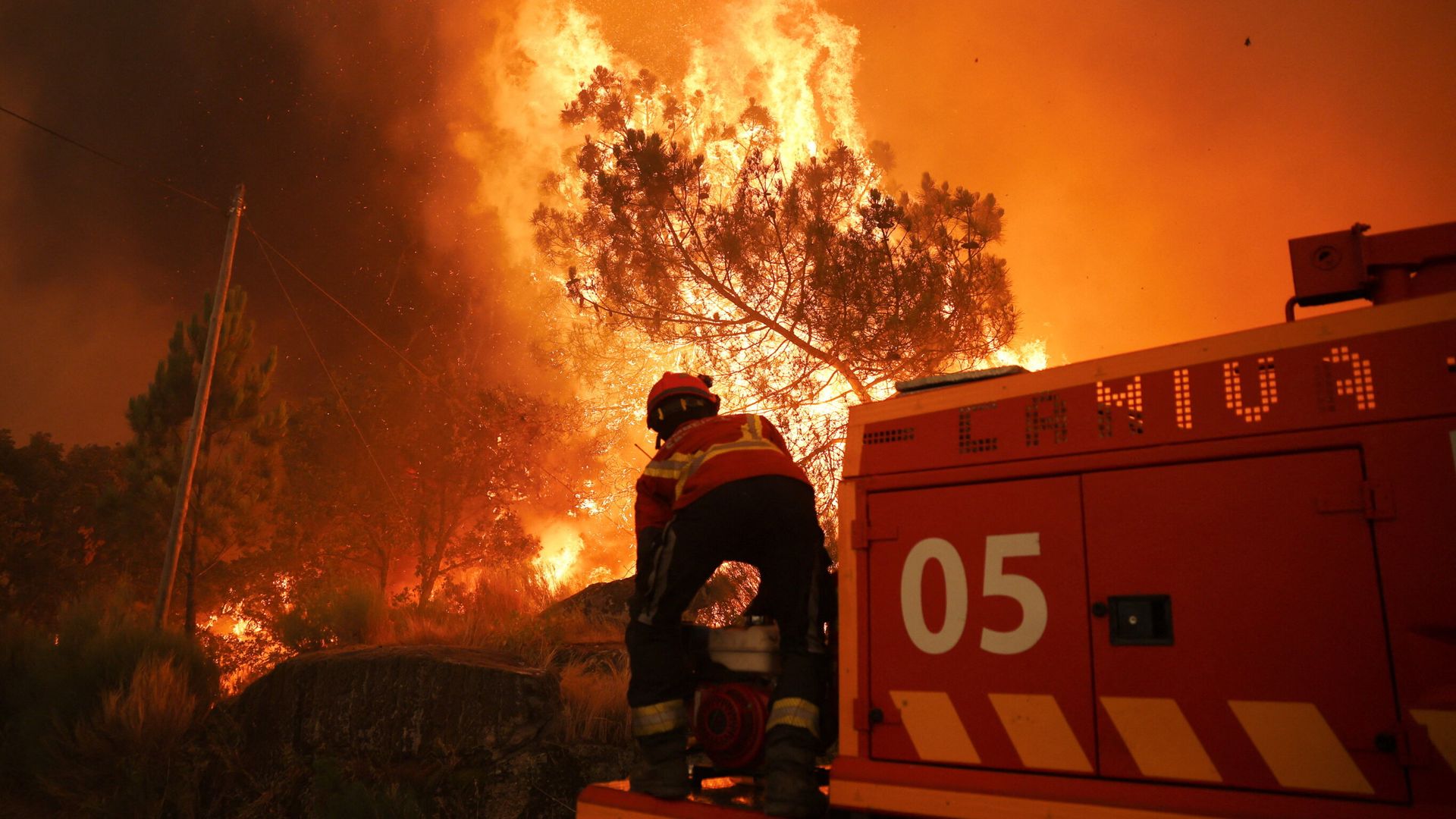
The World Meteorological Organization has dropped its usual diplomatic caution. Global forecasters are looking at ocean data from the equatorial Pacific and seeing something that breaks the historical mold. An exceptional El Nino event is not only locked in for the months ahead, but it carries a near-certain probability of persisting through February 2027. Sea surface temperature anomalies in the key Niño 3.4 region have vaulted past previous benchmarks, averaging well above normal and hitting weekly spikes between +2.2°C and +2.6°C. Beneath the surface, the thermal reservoir is even more jarring, with subsurface anomalies exceeding 8°C above average in localized pockets. This is not a standard oscillation. This is an oceanic heat engine operating at a scale that threatens to rewrite seasonal weather expectations across multiple continents.
For decades, the mechanics of the El Nino-Southern Oscillation have been exhaustively mapped. Trade winds weaken or reverse, warm water sloshes eastward from the western Pacific toward the Americas, and the atmospheric pressure systems flip between Darwin and Tahiti. Yet the sheer velocity of the current shift has caught veteran meteorologists flat-footed. The Southern Oscillation Index has plummeted into deeply negative territory, signalling a wholesale collapse of the Walker circulation. When the atmospheric gears driving the tropical Pacific break down this thoroughly, the downstream consequences do not respect national borders or historical averages. Meanwhile, you can explore other events here: The Silence Left Behind the Atlantic Drift.
The immediate danger lies in the compounding effect of concurrent climate drivers. While the Pacific boils, a positive phase of the Indian Ocean Dipole is marching toward its peak, and equatorial Atlantic temperatures remain stubbornly elevated. This creates a three-basin feedback loop. Regional agricultural markets, municipal water authorities, and disaster response agencies are preparing for a worst-case convergence.
The Subsurface Reality Behind the Surface Numbers
Surface temperatures grab headlines, but subsurface anomalies dictate longevity. Water columns down to three hundred meters are currently storing an immense volume of anomalous heat. This means the energy driving this El Nino cycle is locked in for the long haul. It cannot be easily dissipated by a sudden shift in seasonal winds. To understand the complete picture, we recommend the recent analysis by The New York Times.
Consider a hypothetical agricultural cooperative in the Australian grain belt or a maize producer in southern Africa. In a normal operating environment, crop yield models rely on historical weather analogues spanning thirty to forty years. Those analogues assume a baseline variability that modern ocean physics is actively discarding. When subsurface ocean heat content sits eight degrees above average, the atmosphere responds with persistent blocking highs and erratic jet stream configurations. The resulting droughts are not merely dry spells; they are prolonged moisture deficits that exhaust deep soil reserves built up over previous wet cycles.
International forecasting centers are running multi-model ensembles that point toward an atmospheric response unlike anything observed since the exceptionally strong events of 1997 and 2015. However, several models suggest this cycle possesses a unique persistence vector. The coupling between the ocean and the atmosphere is tighter now than it was during past benchmark years. Energy is transferring from the deep ocean to the troposphere with ruthless efficiency.
Regional Vulnerabilities and the Myth of Uniform Impact
Media coverage frequently defaults to broad generalizations about what El Nino means for the planet. Wet winters in the southern United States, severe droughts in Southeast Asia, and altered monsoon dynamics in South Asia are standard talking points. Reality is infinitely more fractured.
The strength of an El Nino event does not translate linearly into the severity of its local impacts. Local topography, regional wind anomalies, and the modifying influence of adjacent ocean basins create massive disparities. One province might experience devastating flash floods while a neighboring region fifty miles away faces crop-killing aridity.
Take the agricultural sector in developing nations. Subsistence farmers lack the capital buffer to absorb multi-season weather anomalies. When early-warning systems signal a high probability of disruption through early 2027, the bottleneck is rarely the quality of the meteorological data. The failure point occurs in the translation of that data into actionable supply chain adjustments. Seed selection, planting schedules, and water allocation policies must change months before the physical impacts materialize on the ground.
Governments that treat this forecast as a routine weather advisory are miscalculating the stakes. The WMO's unprecedented urgency reflects a growing fear that global infrastructure is tuned for a climate state that no longer exists.
The Macroeconomic Shockwaves Waiting in 2027
Global commodity markets have historically treated El Nino as a localized supply risk for soft commodities like coffee, cocoa, sugar, and palm oil. Prices spike, futures contracts adjust, and markets eventually correct as production shifts to unaffected hemispheres. This cycle carries a different weight.
With global temperature anomalies already hovering near record highs, a super-charged El Nino acts as a temporary booster rocket for global mean temperatures. The year following an El Nino peak routinely registers as the hottest on record. Energy grids will face unprecedented strain during subsequent summer cooling seasons. Hydroelectric capacity in regions dependent on reliable seasonal runoff will plummet precisely when power demand spikes.
Insurance underwriters are quietly rewriting risk models for commercial property and casualty portfolios. Flood plains mapped using twentieth-century rainfall data are proving obsolete. Municipalities that invested heavily in stormwater management systems designed for a one-in-one-hundred-year event are finding those thresholds crossed twice within a single decade.
The transition from scientific warning to economic reality is happening in real time. National weather services are scrambling to upgrade early-warning architecture, but data without structural resilience is just advanced notice of a disaster. As the Pacific continues to vent its historic subsurface heat into the atmosphere over the coming months, the margin for error across global food, energy, and water systems narrows to zero.