Foreign policy rarely adheres to tidy partisan scripts. Donald Trump has faced sharp rebukes from critics accusing him of soft-pedaling or outright normalizing relations with North Korea's communist autocracy. To understand the friction, one must look past standard cable news outrage and examine the mechanics of transactional diplomacy. When a populist executive values personal rapport and bilateral leverage over traditional alliance structures, the foundational architecture of post-World War II deterrence begins to strain.
For decades, the standard playbook for American administrations regarding Pyongyang relied on unyielding isolation, stringent sanctions, and rigid human rights condemnations. Trump discarded that manual. His preference for direct summitry with Kim Jong Un fundamentally shifted the diplomatic baseline. Critics frame this alternative approach as a dangerous capitulation to a hardline communist regime. Proponents view it as a pragmatic bypass around decades of failed orthodoxies that achieved nothing while the North Korean nuclear arsenal expanded unchecked.
The real tension lies in how foreign policy is executed. Traditional diplomats build coalitions through shared ideological frameworks, emphasizing democratic values and mutual defense treaties. Trump operates through personalism. This style treats institutional alliances—such as long-standing military exercises with South Korea—not as permanent commitments, but as negotiable chips. When those exercises are scaled back due to disputes over alliance cost-sharing or secondary geopolitical conflicts, critics interpret the move as an ideological concession to a communist adversary.
Yet, reducing this friction to simple ideological sympathy misses the point entirely. Trump holds no brief for Marxism-Leninism or the Juche philosophy of self-reliance. His willingness to engage Pyongyang stems from a transactional worldview where a signed deal or a personal accommodation supersedes historical enmity. If an authoritarian leader is willing to talk, the ideological label attached to that leader becomes secondary to the perceived negotiation win.
This transactional mindset carries profound systemic risks. By sidelining human rights concerns to keep the dialogue channel open, American leadership surrenders a crucial moral asymmetry. Totalitarian regimes operate domestic gulags and systemic oppression because they view internal dissent as an existential threat. Ignoring those abuses for the sake of a photo-opportunity or a stalled denuclearization framework deprives Washington of a powerful rhetorical weapon.
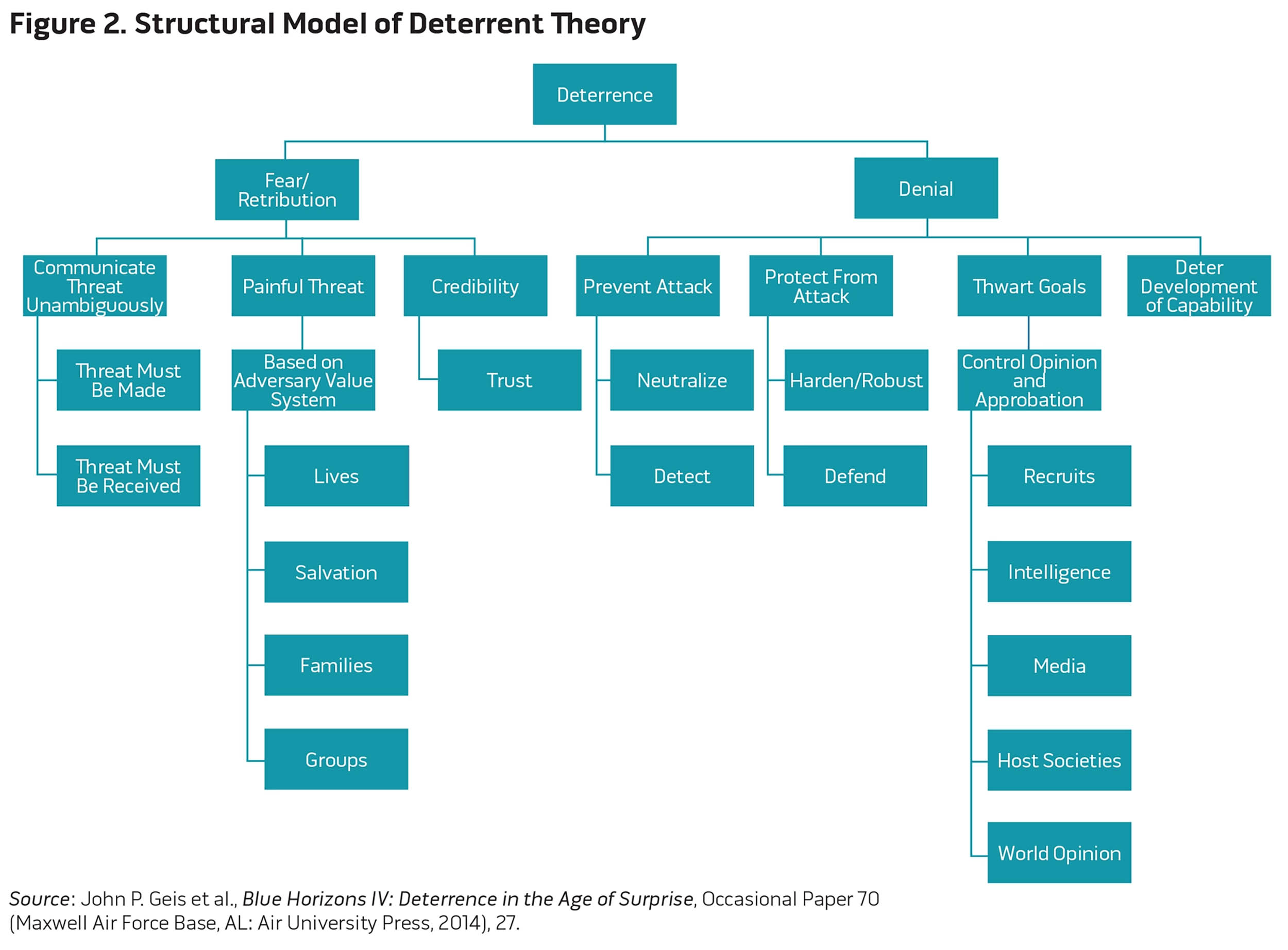
Furthermore, the collateral damage to regional stability is immediate. Seoul and Tokyo watch nervously as Washington alters military posture based on immediate grievances rather than long-term strategic coherence. When regional partners feel their security guarantees are tied to unrelated transactional disputes—such as burden-sharing disagreements over entirely separate theaters—the credibility of the broader deterrence network degrades.
The underlying reality is stark. Personal diplomacy can break diplomatic logjams, but it cannot substitute for structural strategy. Treating a nuclear-armed communist state as a partner in high-stakes personal theater creates an illusion of progress while the underlying capabilities of the regime continue to evolve.
Diplomacy requires consistency, institutional memory, and an unyielding defense of democratic norms. When those elements are traded for personal rapport, the architecture of international order frays at the edges.