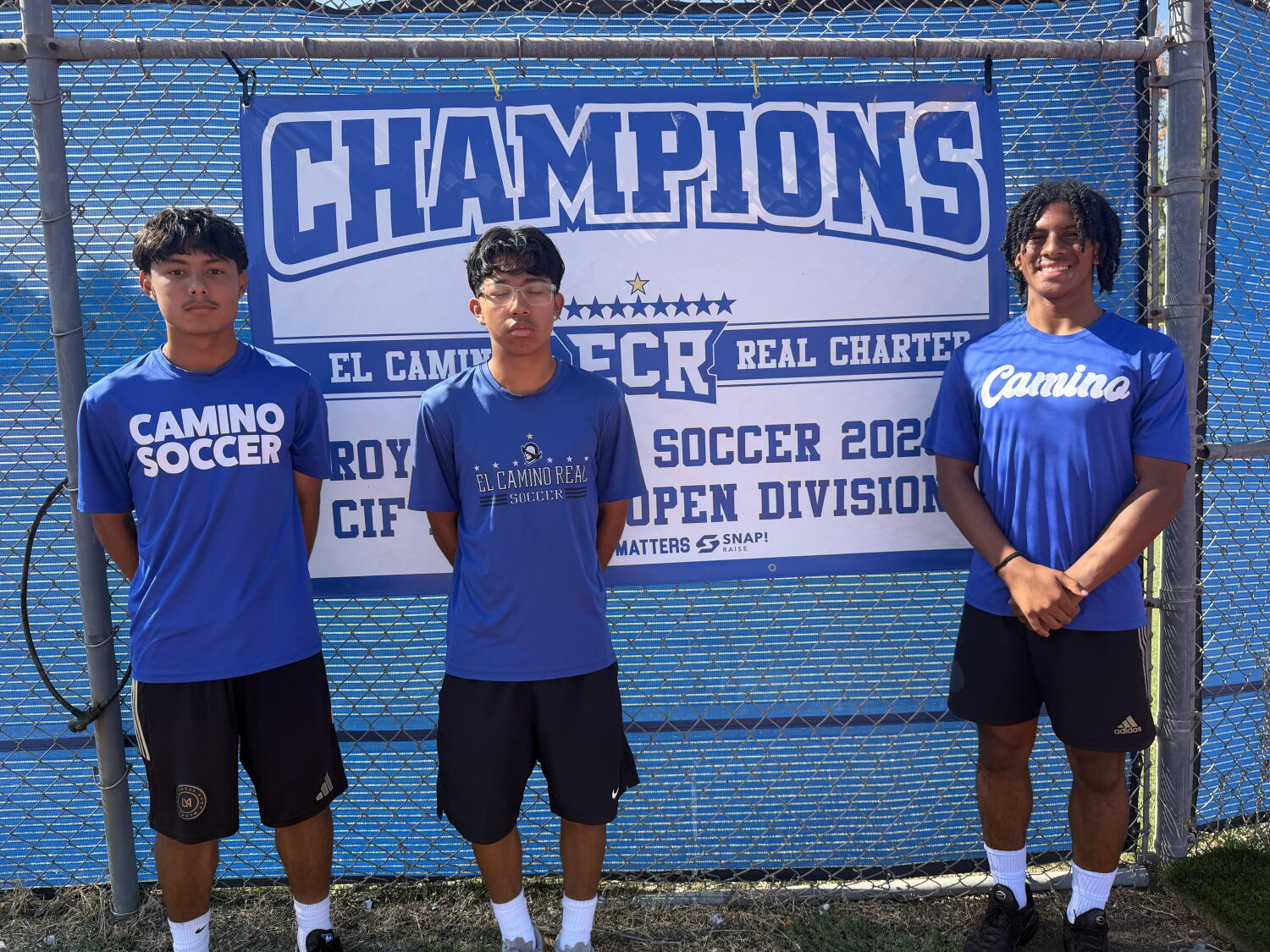
Every autumn, the bleachers at suburban athletic complexes across Southern California fill with parents, scouts, and hopeful teenagers tracking every touch, pass, and clearance. The announcement that three standout players from El Camino Real Charter High School have committed to Cal State Northridge offers a window into a much larger, highly competitive ecosystem. This milestone is not merely a local sports brief. It represents a symptom of how elite high school programs and regional mid-major universities intersect within the fiercely contested arena of collegiate athletics.
Behind every press release detailing a verbal commitment lies an intricate web of club politics, financial calculations, and grueling physical demands. For decades, the conventional wisdom dictated that high school soccer existed merely as a secondary showcase for youth club standouts who spent their weekends traveling across state lines for high-profile showcases. Yet, programs like El Camino Real continue to defy this narrative by serving as incubator grounds where raw talent is forged under the watchful eyes of collegiate coaching staffs hunting for economical, high-character contributors.
Understanding why mid-major programs like Cal State Northridge rely heavily on local talent requires a hard look at the financial realities of modern collegiate sports. Athletic departments outside the major revenue-generating football powerhouses operate under tight fiscal constraints. Travel budgets are scrutinized. Scouting trips across the country are weighed against return on investment. Consequently, harvesting local prospects from the San Fernando Valley and surrounding areas provides a practical solution. These athletes require minimal adjustment to regional travel schedules, already possess an understanding of academic demands within the California educational system, and arrive battle-tested by the intense competitive environment of Los Angeles high school leagues.
The journey from a neighborhood pitch to a Division One roster is paved with invisible sacrifices. Long before college scouts scribble notes on clipboards, these players endure years of early morning training sessions, academic balancing acts, and the constant psychological pressure of performance tracking. The modern recruitment cycle moves at a breakneck speed, often forcing teenagers to make career-defining decisions before they have even learned how to vote. When three players from a single public high school pipeline secure commitments to a nearby Division One institution, it signals an alignment of timing, opportunity, and exceptional athletic execution that few programs ever achieve simultaneously.
The Friction Between Club and Prep Commitments
For decades, tension has simmered between high school soccer coaches and youth club directors. Club coaches often view high school participation as a risk factor for injuries and tactical divergence. Elite youth players are drilled in sophisticated possession frameworks and tactical periodization that may clash with the more direct, physical style often found in local high school competitions.
Despite these underlying philosophical frictions, high school matches offer something club games frequently lack. Atmospheric pressure. Playing in front of student bodies, rival schools, and local media forces young athletes to perform under emotional stakes that sterile club tournaments held on remote industrial parks simply cannot replicate. College recruiters recognize this distinction. A player who can organize a backline while hundreds of screaming teenagers bang on metal bleachers possesses a mental fortitude that tactical drills alone cannot measure.
When athletes from El Camino Real choose to stay close to home by committing to Cal State Northridge, they reject the allure of distant out-of-state programs that promise grandeur but often deliver bench depth and minimal playing time. Local retention benefits both parties. The university secures hungry competitors eager to prove themselves on a collegiate stage, while the athletes retain their local support systems—families, friends, and mentors who have watched their development from childhood leagues to varsity starters.
Decoding the Big West Recruiting Calculus
The Big West Conference operates in a unique competitive space. It is a conference where tactical discipline, physical endurance, and technical sharpness dictate success far more than massive financial backing or multi-million-dollar training facilities. Athletic directors in this conference search for specific archetypes. They need versatile defenders who can shut down transition attacks, midfielders who cover ground relentlessly, and clinical finishers who make the most of limited scoring chances.
Evaluating how players fit into this specific tactical ecosystem involves more than reviewing highlight reels compiled from weekend tournaments. Coaching staffs examine character traits under adversity. How does a player react after conceding a late goal? Do they take charge during extra time? These intangible qualities separate players who merely secure a roster spot from those who make an immediate impact as freshmen.
The historical pipeline connecting San Fernando Valley high schools to local universities reflects a direct network of trust between high school coaches and collegiate scouts. When a high school coach vouches for a player's work ethic and locker room presence, it carries immense weight. College recruiters operate in an environment where a single miscalculation in character assessment can disrupt team chemistry. Relying on trusted local pipelines mitigates that risk.
The Economic Reality of Equivalency Sports
Navigating soccer recruitment requires understanding an uncomfortable financial truth. Men's and women's soccer are classified as equivalency sports by the NCAA. This designation means that a program is allotted a strict maximum number of total scholarships—often drastically fewer than the total number of players on the active roster—which coaching staffs must divide into partial awards.
A player receiving a partial athletic scholarship must cover the remaining tuition, housing, and textbook expenses through academic grants, financial aid, or out-of-pocket family contributions. This financial structure places immense pressure on local recruits. Committing to a local university like Cal State Northridge allows student-athletes to commute or minimize out-of-state housing expenses, rendering the financial equation far more manageable than packing up for a private institution across the country.
Coaching staffs at the mid-major level are master accountants of athletic aid. They look for players whose families understand this financial architecture. Securing commitments from local standouts who might qualify for state-level financial aid programs or academic scholarships provides coaching staffs with tactical flexibility when distributing their limited athletic aid pool.
The Psychological Toll of Early Decisions
The timeline for athletic commitments has accelerated to an uncomfortable degree. Athletes are now making verbal commitments during their sophomore and junior years of high school—an era when biological development and emotional maturity are still undergoing radical shifts.
This acceleration introduces profound risks. A teenager who commits at sixteen might experience a growth spurt that alters their positional viability, or they might suffer a severe injury that derails their trajectory. Furthermore, the psychological weight of carrying a scholarship commitment through upper-class high school years transforms what should be a joyful period of athletic competition into a high-stakes audition.
Educational institutions and governing bodies have attempted to curb this trend through various regulatory adjustments, yet the pressure remains palpable. Players feel compelled to secure their futures early out of fear that scholarship slots will vanish. Within this high-pressure environment, the recent commitments from El Camino Real demonstrate a rare stability. These athletes navigated the turbulence of early recruitment without losing their competitive edge on the pitch.
Shifting Realities of Modern Collegiate Selection
The traditional pathways into collegiate soccer are undergoing continuous transformation. Athletic departments face shifting administrative priorities, roster limit adjustments, and evolving financial models that impact scholarship distribution. As scholarship availability tightens across various divisions, the competition for every single roster spot intensifies.
Mid-major programs must master the art of identification. They cannot afford to compete with major football-conferenced powerhouses for blue-chip prospects who command national attention. Instead, success relies on identifying undervalued talent—players who possess elite technical foundations or exceptional athletic traits that can be refined through collegiate coaching.
This dynamic places a premium on developmental environments. High school programs that maintain high competitive standards act as crucial testing grounds. When multiple players from the same varsity squad earn Division One opportunities, it validates the quality of training happening outside the exclusive club bubble. It proves that grit, tactical awareness, and localized competition still hold immense value in a sport increasingly dominated by corporate youth academies.
The transition from a high school star to a collegiate contributor is notoriously unforgiving. The speed of play accelerates exponentially. Physical contact becomes heavier, and tactical execution leaves zero margin for error. For the athletes heading to Cal State Northridge, the ink on their commitment letters marks the end of one grueling chapter and the absolute beginning of another. They leave behind the relative comfort of local stardom to enter an environment where everyone on the pitch was once the best player on their respective high school team.
The bleachers at El Camino Real will soon empty of these specific athletes, replaced by the next wave of hopeful teenagers chasing the same elusive dream. Scouts will return to the sidelines with clipboards in hand, scanning the pitch for the next breakthrough talent. The machine churns onward, driven by ambition, local pride, and the eternal pursuit of athletic advancement.


