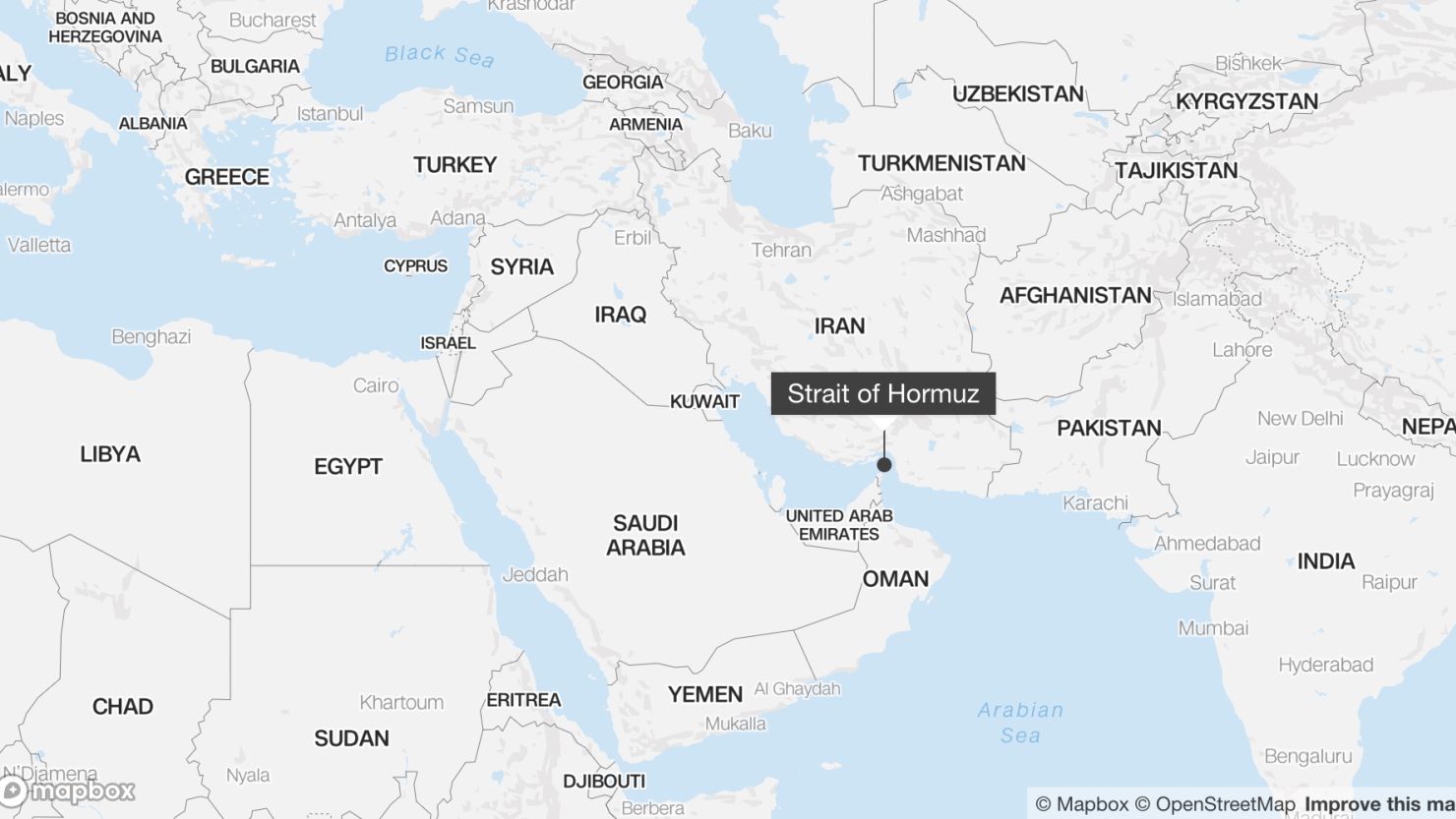
The proposed deal to reopen the Strait of Hormuz is not a diplomatic breakthrough; it is a desperate survival tactic from a regime on the brink of structural failure. Washington is currently reviewing an Iranian proposal that offers to unblock the world’s most critical energy artery in exchange for an immediate lifting of the U.S. naval blockade. The catch? Tehran wants to postpone all discussions regarding its nuclear program and regional proxies indefinitely.
While the White House describes the offer as "better than expected," the reality on the ground in Bandar Abbas and Asaluyeh suggests the Iranian leadership is no longer negotiating from a position of strength. Two months of a dual-blockade—Iran’s closure of the Strait and the U.S. Navy’s counter-blockade of Iranian ports—have created a volatile "pressure cooker" effect. Iran's oil storage capacity is virtually exhausted. Crude is being pumped into rusting, disused tanks and makeshift containers that were never designed for long-term storage. If the oil has nowhere to go, the physical infrastructure of Iran's energy sector risks a catastrophic internal rupture. If you enjoyed this article, you might want to look at: this related article.
The Three Day Clock
The Trump administration is publicly weighing the proposal, but intelligence suggests a more frantic timeline. During a weekend briefing, the President hinted that Tehran may have as little as 72 hours before their internal pipeline systems begin to fail under the weight of unexported product. This isn't just a financial crisis; it’s an engineering nightmare.
The Iranian proposal, delivered via Pakistani mediators, seeks to decouple the maritime crisis from the nuclear issue. It’s a classic "salami-slicing" tactic. By reopening the Strait, Iran hopes to relieve the crushing economic pressure and domestic unrest following the death of Ali Khamenei, while keeping its highly enriched uranium as a trump card for later. Secretary of State Marco Rubio has already signaled the administration’s skepticism, noting that the nuclear program is the very "reason we are in this in the first place." For another angle on this development, refer to the recent coverage from The Washington Post.
The Shadow of the 2026 Midterms
Domestic politics in the U.S. are exerting equal pressure. Gas prices have surged by 40% since the initial strikes in February, pushing the national average up by $1.19 a gallon. With midterm elections on the horizon, the White House is caught between the need to crush the Iranian nuclear threat and the necessity of cooling an overheated energy market.
The UAE’s recent departure from OPEC has only added fuel to the fire. By breaking from the cartel, Abu Dhabi has signaled that the old rules of global energy stability are dead. If the Strait doesn't reopen soon, the global supply chain for liquefied natural gas (LNG) and fertilizers will see a "second wave" of inflation that could dwarf the shocks of 2022.
The Naval Standoff in Numbers
Before February 28, the Strait of Hormuz handled roughly 3,000 vessels per month. Today, that number has plummeted to less than 5% of its former volume. While some Chinese and Pakistani vessels have secured "hall passes" through back-channel deals with the IRGC, the majority of the world's merchant fleet is sitting idle or taking the costly route around the Cape of Good Hope.
- 20%: The share of global petroleum and LNG that typically passes through the Strait.
- $11.52 Billion: The estimated economic damage to Israel from the two-month conflict.
- 155: The number of Iranian naval vessels confirmed destroyed or damaged by U.S. and Israeli strikes.
The IRGC’s naval capabilities have been decimated, yet they remain a potent threat through the use of "mosquito fleet" tactics—unmanned surface vessels and submerged mines. Even if a deal is signed tomorrow, the insurance premiums for transiting the waterway will remain at war-zone levels for months. Marine tracking firms like Kpler have noted that only a handful of tankers have dared the passage even during the current "conditional ceasefire."
The Russian Intermediary
In a move that complicates the geopolitical chessboard, Iranian Foreign Minister Abbas Araghchi recently met with Vladimir Putin in Moscow. Russia is positioning itself as the indispensable mediator, hoping to trade its influence over Tehran for concessions in the Ukrainian theater.
Moscow benefits from high energy prices, yet Putin also fears a total Iranian collapse that could leave a power vacuum on Russia’s southern flank. The "superyacht incident"—where a vessel owned by Russian billionaire Alexey Mordashov was allowed to transit the blockaded Strait with both U.S. and Iranian blessing—highlights the bizarre, transactional nature of this conflict. While soldiers die in the Levant, the oligarchs are still finding a way through the gaps.
The Mirage of a Two Stage Solution
The fundamental flaw in the current proposal is the assumption that the Strait can be treated as a separate entity from Iran’s nuclear ambitions. The Trump administration’s "Maximum Pressure 2.0" strategy is predicated on the idea that everything is connected. Lifting the naval blockade on Iranian ports without securing a deal on uranium enrichment would essentially hand Tehran a multi-billion dollar lifeline just as they are about to buckle.
The IRGC Ground Forces, led by the Imam Sajjad Unit, have been claiming victories in state media, boasting about "neutralizing" American missiles for reverse engineering. This rhetoric is designed for a domestic audience that is increasingly frustrated by blackouts and fuel shortages. The reality is that the new Supreme Leader, Mojtaba Khamenei, is inherited a nation whose primary export is now blocked by the world's most powerful navy.
The current ceasefire is a fragile mask. While the fighting has slowed, the economic warfare has intensified. If the U.S. accepts the Iranian proposal to "delay" nuclear talks, it risks losing its most potent leverage. If it rejects the deal, it risks a global energy meltdown and a direct military confrontation that could expand beyond the Middle East.
There is no "soft landing" for the Hormuz crisis. The infrastructure is failing, the tankers are waiting, and the clock is ticking toward a structural collapse that no amount of diplomacy can paper over. The U.S. isn't just examining a proposal; it is deciding whether to let the Iranian energy sector implode or to grant a reprieve to a regime that is currently out of options. Any agreement that fails to address the nuclear core of this war is merely a stay of execution for a global economy held hostage by 21 miles of water.